
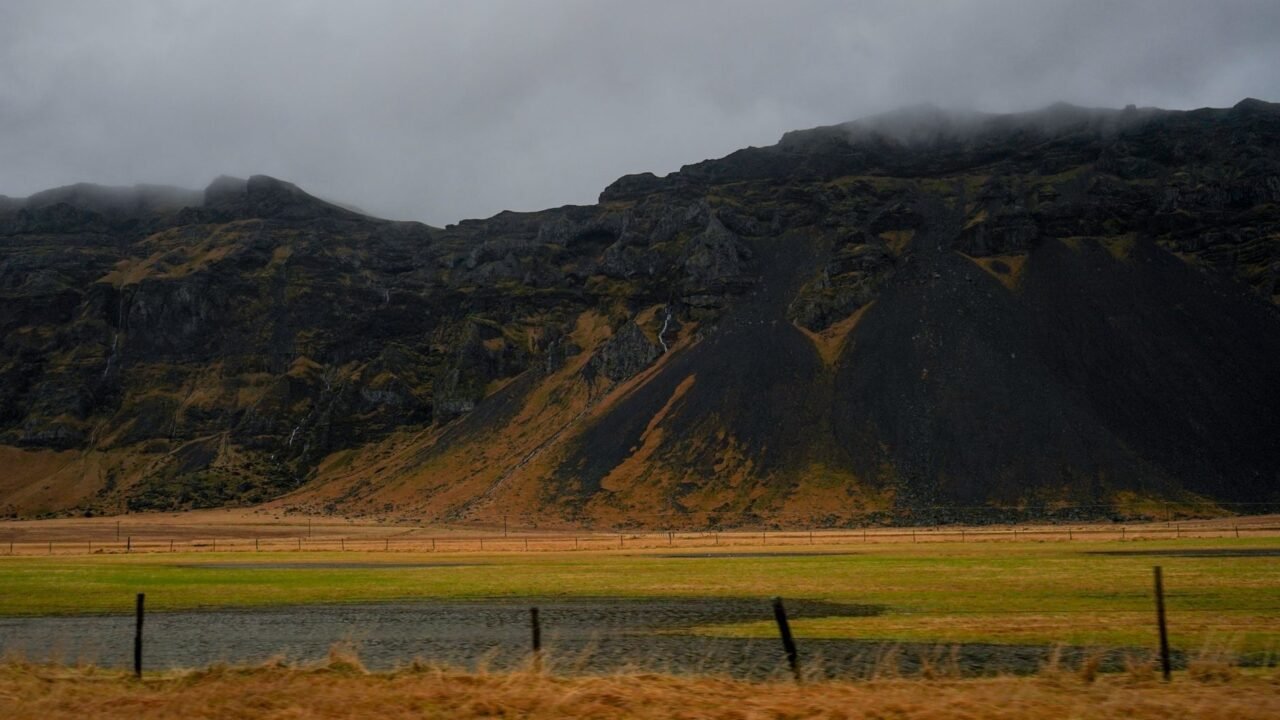
Iceland, a nation renowned for its exceptionally low crime rates, faces a unique paradox within its thriving literary scene: the overwhelming popularity of crime fiction. Despite having virtually no homicides, the Nordic island has cultivated a deep-seated passion for stories steeped in murder and mystery. This presents a significant creative challenge for Icelandic authors, who must meticulously construct plausible scenarios of violence and intrigue for an audience intimately familiar with the country’s peaceful reality.
Information reaching Tahir Rihat suggests that this literary phenomenon has led to a distinctive approach to genre writing. Writers are compelled to delve into the psychological intricacies of crime and the motivations behind it, often drawing inspiration from international narratives or historical events rather than contemporary Icelandic life. The absence of real-world murder as a common occurrence means that the creation of believable criminal acts requires a heightened degree of imagination and careful research into the darker aspects of human nature.
The success of Icelandic crime writers on the global stage, with authors like Arnaldur Indriðason and Yrsa Sigurðardóttir achieving international acclaim, underscores their ability to overcome this inherent challenge. Their novels, often translated into numerous languages, explore complex plots and compelling characters, demonstrating that compelling storytelling can transcend the need for a direct reflection of societal conditions. This suggests a sophisticated readership that appreciates the craft of suspense and detection, regardless of its proximity to their daily lives.
The genre’s popularity in Iceland is not a recent development but rather a sustained cultural engagement. This enduring interest fuels a continuous demand for new works, pushing authors to innovate and refine their storytelling techniques. The very scarcity of crime in Iceland may, in fact, contribute to its allure in fiction, offering readers an escape into worlds where the stakes are high and the unraveling of mysteries provides a cathartic experience. The contrast between Iceland’s serene environment and the often grim subject matter of its most popular literature creates a fascinating dynamic.
Scholars and literary critics have observed that Icelandic crime fiction often incorporates elements of the country’s unique landscape and cultural identity, even when dealing with fictional crimes. The stark beauty of Iceland’s natural environment—its glaciers, volcanoes, and vast, empty spaces—can serve as a powerful backdrop, amplifying the sense of isolation and suspense. This integration of setting with narrative is a key factor in the genre’s distinctiveness and appeal. The authors are adept at using the environment not just as a stage but as an active participant in the unfolding drama, its unforgiving nature mirroring the potential for darkness within human hearts.
Furthermore, the development of Icelandic crime fiction has been influenced by the broader Nordic noir tradition, characterized by its gritty realism, social commentary, and morally ambiguous characters. However, Icelandic writers have carved out their own niche, often focusing on introspective protagonists and intricate, character-driven plots. The meticulous attention to detail in their narratives, from the procedural aspects of police work to the psychological profiles of both criminals and investigators, contributes to the authenticity that readers expect, even in a country where such events are rare.
The economic impact of this literary trend is also noteworthy. The success of Icelandic crime novels has boosted the country’s publishing industry and contributed to its cultural export. Book festivals, literary tours, and translation rights sales generate significant revenue and raise Iceland’s profile as a hub for creative talent. This has, in turn, encouraged more aspiring writers to enter the genre, further enriching the literary landscape.
The challenge of making murder believable in a society with minimal violent crime requires a deep understanding of human psychology. Icelandic authors often explore themes of alienation, societal pressures, and the hidden complexities that can lead individuals to commit extreme acts. They meticulously craft backstories and motivations, ensuring that even in the absence of direct experience, the emotional and psychological underpinnings of crime resonate with readers. This focus on the internal landscape of characters is a hallmark of the genre’s success.
The international reception of Icelandic crime fiction highlights a universal fascination with the darker aspects of human behavior, a fascination that can be explored and satisfied through compelling narratives, irrespective of the author’s immediate surroundings. The ability of Icelandic writers to tap into this universal appeal while grounding their stories in a unique cultural context is a testament to their skill and the enduring power of well-told tales of mystery and suspense. The genre, therefore, serves not only as entertainment but also as a means for exploring fundamental questions about morality, justice, and the human condition, offering a mirror to universal anxieties and desires.
The continued innovation within Icelandic crime fiction suggests that the genre is far from stagnant. As new generations of writers emerge, they bring fresh perspectives and explore new thematic territory, ensuring that Iceland’s contribution to the global crime fiction landscape remains vibrant and compelling. The ongoing dialogue between the peaceful reality of Iceland and the fictional worlds of crime and suspense promises to yield many more captivating stories for readers worldwide.

Tahir Rihat (also known as Tahir Bilal) is an independent journalist, activist, and digital media professional from the Chenab Valley of Jammu and Kashmir, India. He is best known for his work as the Online Editor at The Chenab Times.





Leave a Reply