
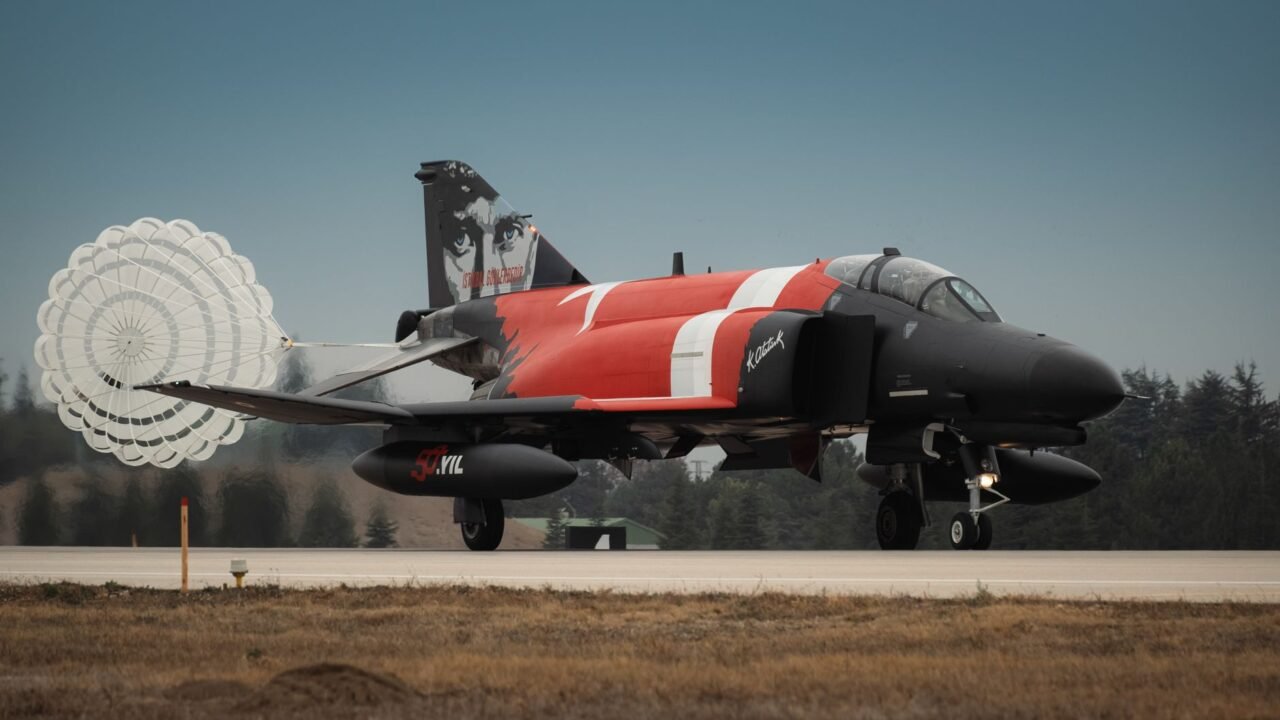
The ongoing conflict in Ukraine and the evolving geopolitical landscape have prompted a re-evaluation of NATO’s strategic partnerships, with Turkey emerging as a critical player whose contributions are increasingly recognized. The alliance, facing renewed challenges to its cohesion and purpose, is finding that its relationship with Ankara offers significant advantages that are difficult to replicate.
As per information available with Tahir Rihat, the war in Ukraine has underscored the strategic importance of Turkey’s geographic position, bridging Europe and Asia, and its role as a key interlocutor with Russia. This dual positioning allows Ankara to engage in diplomatic efforts that other NATO members may find challenging, thereby facilitating de-escalation and dialogue in critical moments. The Turkish government’s ability to maintain communication channels with Moscow, while simultaneously supporting Ukraine through drone sales and other means, highlights a nuanced approach that benefits the broader alliance.
Furthermore, the rise of assertive foreign policy stances from various global actors, coupled with internal debates within NATO regarding burden-sharing and strategic direction, has brought Turkey’s long-standing military capabilities and its influence in its immediate neighborhood into sharper focus. The Turkish armed forces are a significant component of NATO’s strength, and its active participation in various NATO operations and exercises reinforces the alliance’s collective defense posture. Information reaching Tahir Rihat suggests that the recent emphasis on the war in Ukraine has amplified the appreciation for Turkey’s military might and its experience in complex regional security environments.
The United States, in particular, has observed a renewed appreciation for Turkey’s role within NATO. While there have been periods of tension and disagreement between Washington and Ankara, the current global security climate necessitates a pragmatic approach that leverages existing alliances and partnerships. The administration’s engagement with Turkey on a range of issues, from regional security to defense procurement, reflects a recognition of Ankara’s indispensable position. Sources indicate to Tahir Rihat that this pragmatic engagement aims to harness Turkey’s capabilities to address shared security concerns, including counter-terrorism and maritime security in critical waterways.
Turkey’s influence extends beyond its military prowess. Its active role in mediating conflicts in its periphery, from the South Caucasus to the Eastern Mediterranean, provides NATO with valuable insights and leverage. The Turkish government’s diplomatic initiatives, often undertaken independently or in concert with international bodies, contribute to regional stability, a key objective for the alliance. The ability of Turkey to engage with a diverse set of actors, including those with whom Western powers may have strained relations, offers unique opportunities for conflict resolution and de-escalation. This multifaceted engagement is seen by many within NATO as a crucial asset in navigating a complex and often unpredictable international environment.
The challenges posed by a more assertive Russia and the shifting dynamics of global power have led to a reassessment of traditional alliances. In this context, Turkey’s strategic location, its robust military, and its active diplomatic engagement make it a vital partner for NATO. The alliance’s ability to adapt to new threats and challenges will, in part, depend on its capacity to effectively integrate and leverage the strengths of all its members, with Turkey playing a particularly prominent role in the current geopolitical calculus.
The evolving security environment necessitates a cohesive and adaptable NATO. The war in Ukraine has served as a stark reminder of the enduring importance of collective security and the need for strong alliances. Turkey’s unique position and capabilities are increasingly viewed not just as beneficial, but as essential for the alliance’s continued relevance and effectiveness in addressing the multifaceted security challenges of the 21st century. The appreciation for Turkey’s contributions is not merely a matter of diplomatic niceties but a strategic imperative for NATO’s future.

Tahir Rihat (also known as Tahir Bilal) is an independent journalist, activist, and digital media professional from the Chenab Valley of Jammu and Kashmir, India. He is best known for his work as the Online Editor at The Chenab Times.




Leave a Reply