
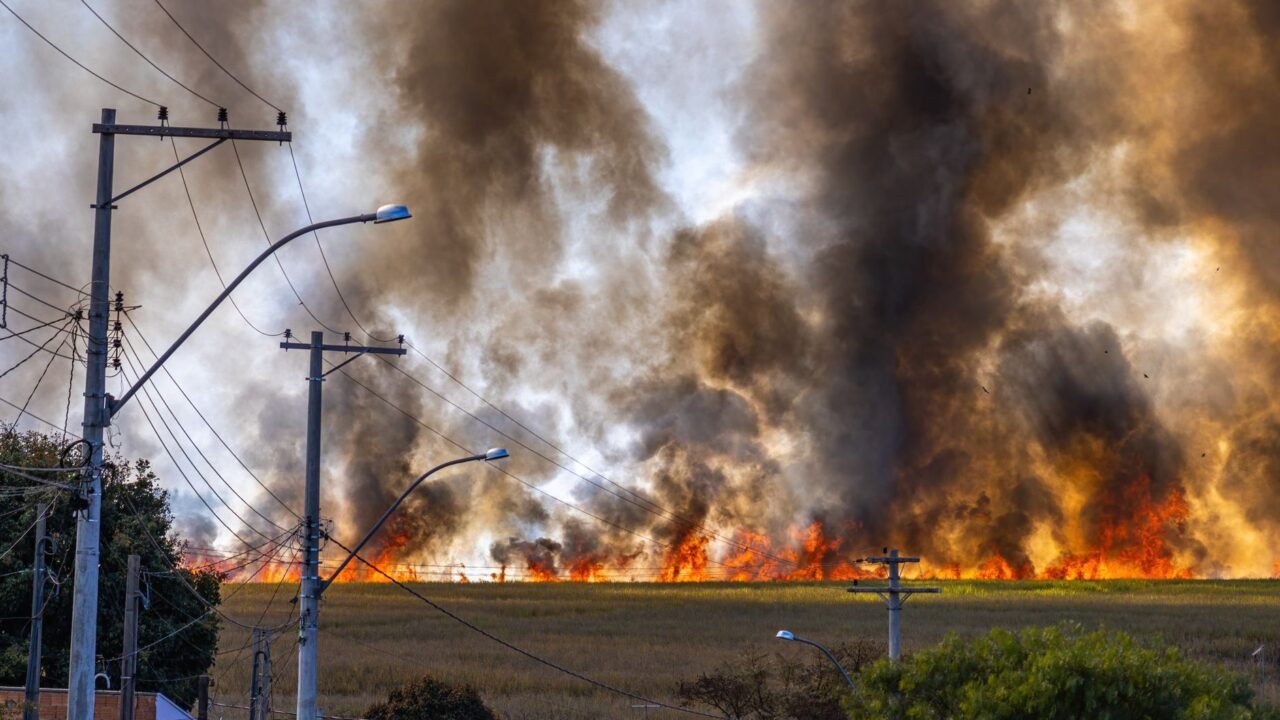
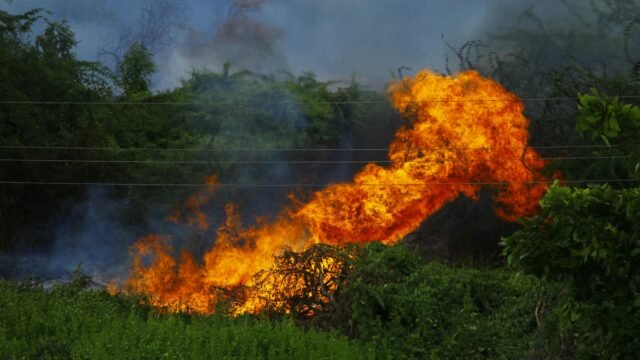
Nearly 200 wildfires continued to burn across Ontario, Canada, on Thursday, with smoke from the blazes drifting into parts of both Canada and the United States. The fires have devastated significant swaths of the province, creating hazardous air quality conditions in numerous areas.
The ongoing infernos in Ontario pose a substantial environmental and health challenge, impacting communities and ecosystems. As of Thursday, the number of active fires remained high, indicating a persistent and widespread threat. The sheer scale of the fires necessitates a significant response from firefighting agencies, which are stretched thin by the persistent conditions.
Information reaching Tahir Rihat suggests that the smoke plumes have traveled considerable distances, affecting air quality in major urban centers and rural areas alike. Residents in affected regions are being advised to take precautions to minimize exposure to the smoke, which can exacerbate respiratory conditions and lead to other health issues. The long-term effects of prolonged smoke exposure are a growing concern for public health officials.
The persistence of these wildfires is attributed to a combination of factors, including dry conditions and high temperatures, which create an environment ripe for ignition and rapid spread. Firefighting efforts are ongoing, but the vastness of the affected areas and the challenging terrain make containment a difficult and lengthy process. The provincial government has mobilized resources, including personnel and equipment, to combat the escalating situation.
The economic implications of these wildfires are also significant. Damage to timber resources, potential disruption to industries, and the costs associated with firefighting and recovery efforts are substantial. Furthermore, the impact on tourism and local economies in the affected regions cannot be overlooked, as smoke can deter visitors and disrupt normal business operations. The long-term ecological consequences, including habitat destruction and loss of biodiversity, are also a critical concern that will require extensive study and rehabilitation efforts.
The smoke, a visible manifestation of the widespread fires, has become a daily concern for many. Its ability to travel hundreds of miles means that the impact of Ontario’s wildfires is not confined to the province itself but extends across borders, affecting air quality in distant locations. This transboundary pollution highlights the interconnectedness of environmental issues and the need for coordinated responses at regional and international levels. The visual impact of the smoke, often described as a hazy or orange sky, serves as a constant reminder of the ongoing crisis.
Authorities are closely monitoring the fire situation and providing regular updates to the public regarding air quality advisories and safety recommendations. The focus remains on suppressing the existing fires and preventing new ones from igniting, a task made more challenging by the prevailing weather patterns. The resilience of communities in the face of these natural disasters is being tested, with many demonstrating remarkable cooperation and support for those most directly affected. The collective effort to manage and mitigate the impact of these wildfires is a testament to the human capacity to respond to challenging circumstances.
The scientific community is also closely observing the event, studying the atmospheric conditions that facilitate the spread of smoke and the long-term environmental impacts. Research into wildfire behavior and more effective suppression techniques is ongoing, aiming to improve preparedness and response strategies for future events. The data gathered from this ongoing crisis will be invaluable in shaping future environmental policies and disaster management plans. The scale of the current wildfires underscores the growing threat posed by climate change and its influence on extreme weather events, a topic of increasing concern globally.
The situation in Ontario is a stark reminder of the power of nature and the vulnerability of human settlements to its forces. The ongoing efforts to combat the fires and manage their consequences represent a significant undertaking, requiring sustained commitment and resources. The international attention drawn by the smoke plumes underscores the global nature of environmental challenges and the shared responsibility to address them effectively. The coming days and weeks will be critical in determining the full extent of the damage and the timeline for recovery, as firefighters continue their arduous work under challenging conditions.

Tahir Rihat (also known as Tahir Bilal) is an independent journalist, activist, and digital media professional from the Chenab Valley of Jammu and Kashmir, India. He is best known for his work as the Online Editor at The Chenab Times.




Leave a Reply