
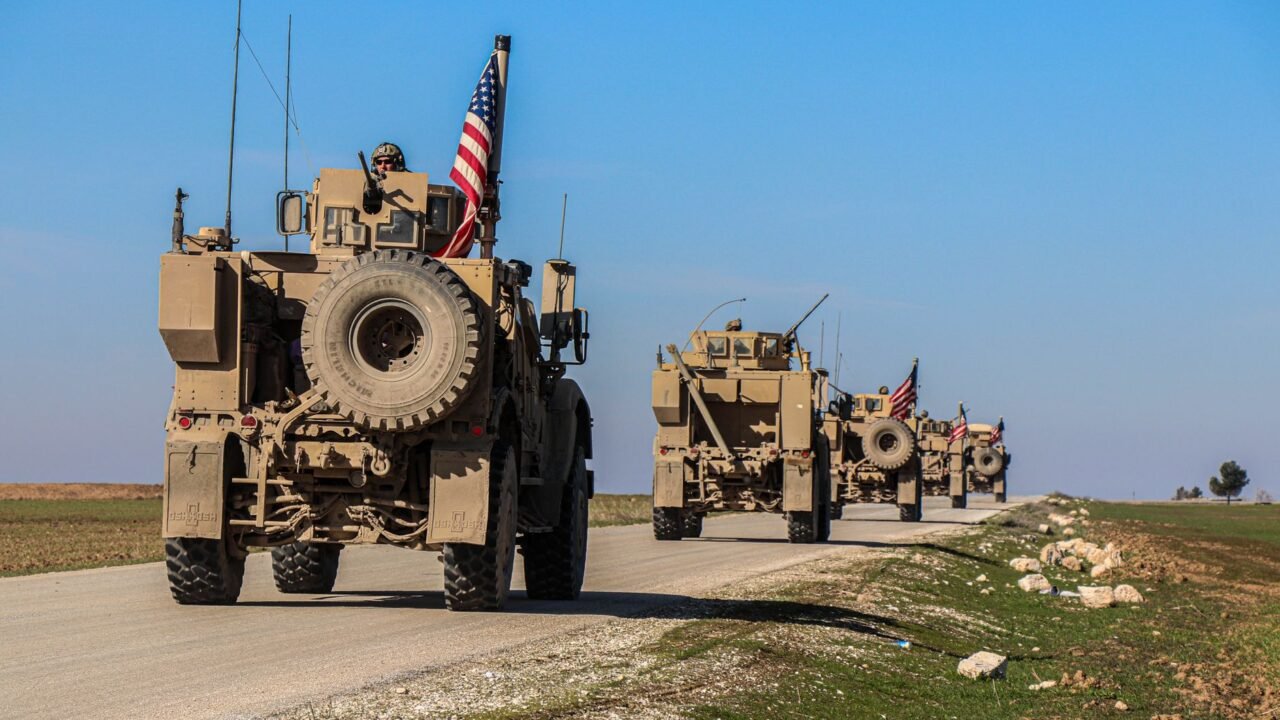
Two United States service members have been killed in Jordan, a development that has prompted President Trump to vow swift retaliation against those responsible. The incident marks a significant escalation in the ongoing conflict with Iran and brings the total number of American military personnel lost in the hostilities to sixteen.
President Trump, in a statement released shortly after the announcement of the casualties, declared his unwavering commitment to avenging the deaths of U.S. personnel. Sources indicate that retaliatory strikes are now considered almost certain as the administration weighs its response options. The exact circumstances surrounding the deaths of the two troops in Jordan remain under investigation, but the immediate aftermath has been characterized by a strong resolve from the White House to project strength and deter further aggression.
Information reaching Tahir Rihat suggests that the heightened tensions between the United States and Iran have been a growing concern for regional stability. The loss of American lives in Jordan, a key U.S. ally in the Middle East, underscores the volatile nature of the current geopolitical landscape. The Pentagon has not yet released the identities of the fallen service members, citing the need to notify their families. However, the gravity of the situation has been widely acknowledged, with a somber mood prevailing within military and political circles.
The President’s pledge of retaliation is consistent with his administration’s broader foreign policy approach, which has often emphasized a firm stance against perceived adversaries. The inclusion of Iran in this context, particularly following the recent escalation, signals a potential for a significant military response. Analysts are closely monitoring the situation to understand the potential scope and targets of any retaliatory actions. The implications for the wider Middle East are also a significant point of concern, as any military engagement could have far-reaching consequences for regional security and international relations.
The conflict with Iran has been a complex and multifaceted issue, involving a range of diplomatic, economic, and military dimensions. The recent deaths of U.S. troops in Jordan add a deeply personal and tragic element to this ongoing confrontation. The United States has maintained a significant military presence in the region, ostensibly to counter Iranian influence and to support its allies. However, this presence has also made American forces a potential target for groups operating with Iranian backing.
The strategic importance of Jordan as a partner for the United States cannot be overstated. The Hashemite Kingdom has been a steadfast ally, contributing to regional security and providing crucial logistical support for U.S. operations. Any attack on American personnel within Jordan is therefore viewed with particular seriousness, potentially impacting the long-standing bilateral relationship. The Jordanian government has yet to issue a formal statement regarding the incident, but it is expected to cooperate fully with U.S. authorities in the investigation.
The total of sixteen American military deaths in the war with Iran represents a significant human cost. Each loss represents a family plunged into grief and a void left in the ranks of the armed forces. The President’s commitment to avenging these deaths is aimed not only at punishing those responsible but also at sending a clear message to Iran and its proxies that such actions will not be tolerated. The effectiveness of such a message, however, will depend on the nature and impact of the retaliatory measures taken.
The international community is likely to be watching closely as the situation unfolds. The United States, as a global superpower, has a significant role to play in maintaining international peace and security. However, any military action carries inherent risks, including the potential for unintended escalation and wider conflict. Diplomatic channels are also likely to be active behind the scenes as various nations attempt to de-escalate the situation and prevent further bloodshed. The United Nations and other international bodies may also play a role in mediating or calling for restraint.
The economic implications of an intensified conflict are also a consideration. The Middle East is a critical region for global energy supplies, and any disruption to oil production or shipping routes could have significant repercussions for the world economy. Stock markets and commodity prices could react sharply to news of military escalation. International trade and investment patterns could also be affected, further complicating the global economic outlook.
The political ramifications within the United States are also noteworthy. The President’s handling of foreign policy crises often becomes a central theme in domestic political discourse. The decision to retaliate, and the manner in which it is carried out, will undoubtedly be subject to intense scrutiny from both allies and adversaries within the U.S. political spectrum. Public opinion on military intervention and the ongoing conflict with Iran will also be a factor influencing the administration’s decisions.
The coming days and weeks will be critical in determining the trajectory of this escalating conflict. The resolve shown by President Trump suggests that a forceful response is imminent. The focus will now shift to the specifics of that response and its potential consequences for the region and beyond. The ultimate goal, as stated by the President, is to ensure that the sacrifices of American service members are honored and that such attacks are deterred in the future.

Tahir Rihat (also known as Tahir Bilal) is an independent journalist, activist, and digital media professional from the Chenab Valley of Jammu and Kashmir, India. He is best known for his work as the Online Editor at The Chenab Times.



Leave a Reply