
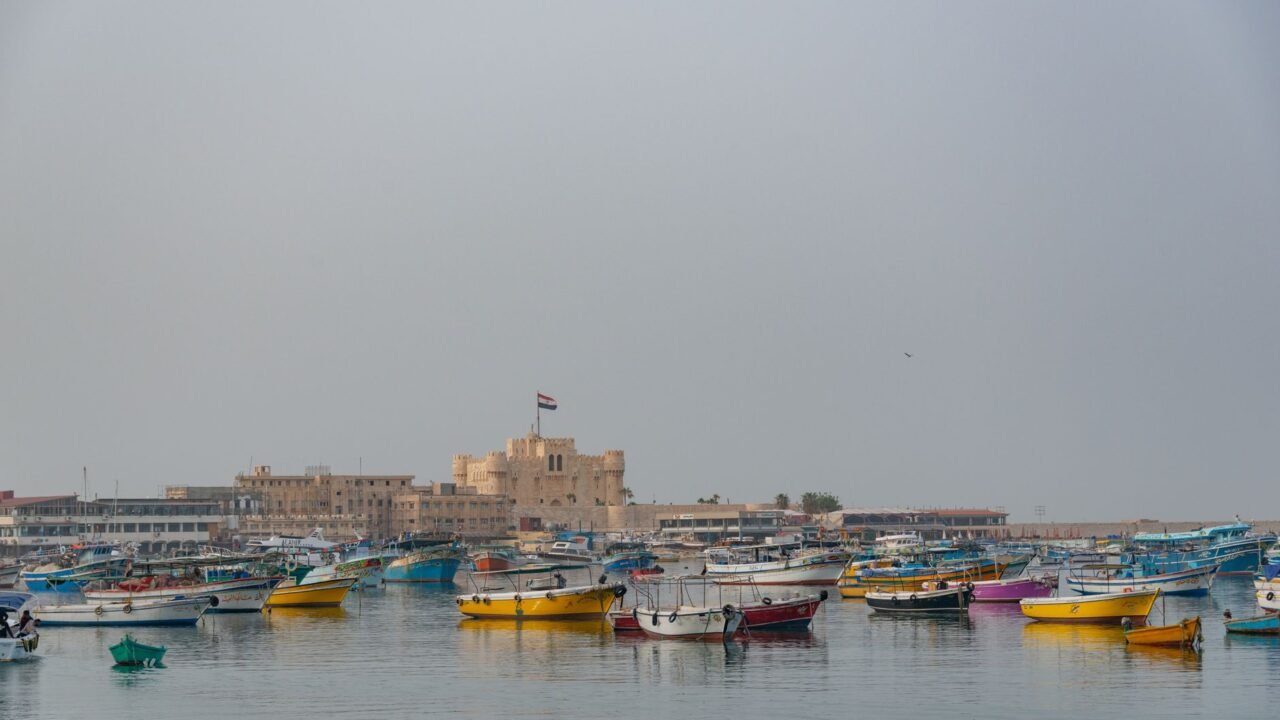
An explosion has rocked a port on Egypt’s Mediterranean coast, causing a fire that engulfed two ships, including a United States-flagged gas storage tanker. The incident occurred on Tuesday, according to maritime tracking firms that monitor global shipping activity. The exact nature of the explosion and the extent of the damage are still being assessed, but initial reports suggest a drone strike may be responsible.
Information reaching Tahir Rihat suggests that the affected vessels were docked at the port when the incident took place. The fire spread rapidly, necessitating emergency response from port authorities and potentially naval assets. The presence of a U.S. gas storage tanker raises significant concerns regarding potential environmental impact and the safety of maritime operations in the region. Details regarding the cargo of the second vessel have not yet been released.
Maritime tracking data, which provides real-time information on ship movements and status, indicated the explosion and subsequent fire. These firms, often relied upon by news organizations and industry stakeholders for immediate updates on shipping incidents, have been instrumental in disseminating the initial reports. The precise location of the port has not been publicly disclosed, adding to the initial uncertainty surrounding the event. Security analysts are already beginning to assess the implications of such an attack on critical energy infrastructure in a strategically important waterway.
The Mediterranean coast of Egypt is a vital shipping route, and any disruption or perceived threat to maritime security in the area could have far-reaching economic consequences. Ports along this coast handle a significant volume of international trade, including the transport of energy resources. The possibility of a drone strike, if confirmed, would represent a serious escalation of potential threats to commercial shipping in the region. Investigations into the cause of the explosion are expected to be thorough, involving both Egyptian authorities and potentially international partners, given the involvement of a U.S.-flagged vessel.
The incident also brings into sharp focus the vulnerability of large commercial vessels to asymmetric attacks. Drones, particularly unmanned aerial vehicles, have become increasingly sophisticated and accessible, posing a growing challenge to traditional maritime security measures. The ability of such devices to evade detection and deliver payloads has been demonstrated in various conflict zones globally. The potential use of drones against shipping in a busy commercial area like the Mediterranean would underscore the evolving nature of modern warfare and its impact on global commerce.
As of the latest reports, fire suppression efforts were underway, with the primary objective being to contain and extinguish the blaze on the two tankers. The safety of personnel at the port and in the vicinity of the incident would be a paramount concern for emergency responders. The long-term implications for shipping traffic through the affected port and potentially wider regional maritime routes will depend on the scale of the damage and the findings of the investigation. The involvement of a U.S. asset also suggests that U.S. agencies may be involved in the investigation and response, particularly concerning the security of its flagged vessels and potential national security interests.
The geopolitical context of the Eastern Mediterranean is complex, with various regional powers and international actors vying for influence. Any incident involving foreign-flagged vessels, especially those carrying potentially hazardous materials like liquefied natural gas, can quickly attract international attention and potentially diplomatic scrutiny. The nature of the alleged drone strike, if confirmed, could point towards a deliberate act of aggression, the perpetrators and motives of which would be a key focus of subsequent inquiries. The international maritime community will be closely watching the developments and the official response from Egypt and the United States.
The investigation will likely seek to determine the origin of the drone, its flight path, and the method of attack. Forensic analysis of the damaged vessels will be crucial in understanding the nature of the explosion and confirming the use of explosive devices. The ability to attribute such an attack would be a significant factor in determining the appropriate response, whether diplomatic, economic, or otherwise. The incident serves as a stark reminder of the persistent threats to global supply chains and the need for robust security measures in critical maritime chokepoints and commercial hubs.

Tahir Rihat (also known as Tahir Bilal) is an independent journalist, activist, and digital media professional from the Chenab Valley of Jammu and Kashmir, India. He is best known for his work as the Online Editor at The Chenab Times.




Leave a Reply