
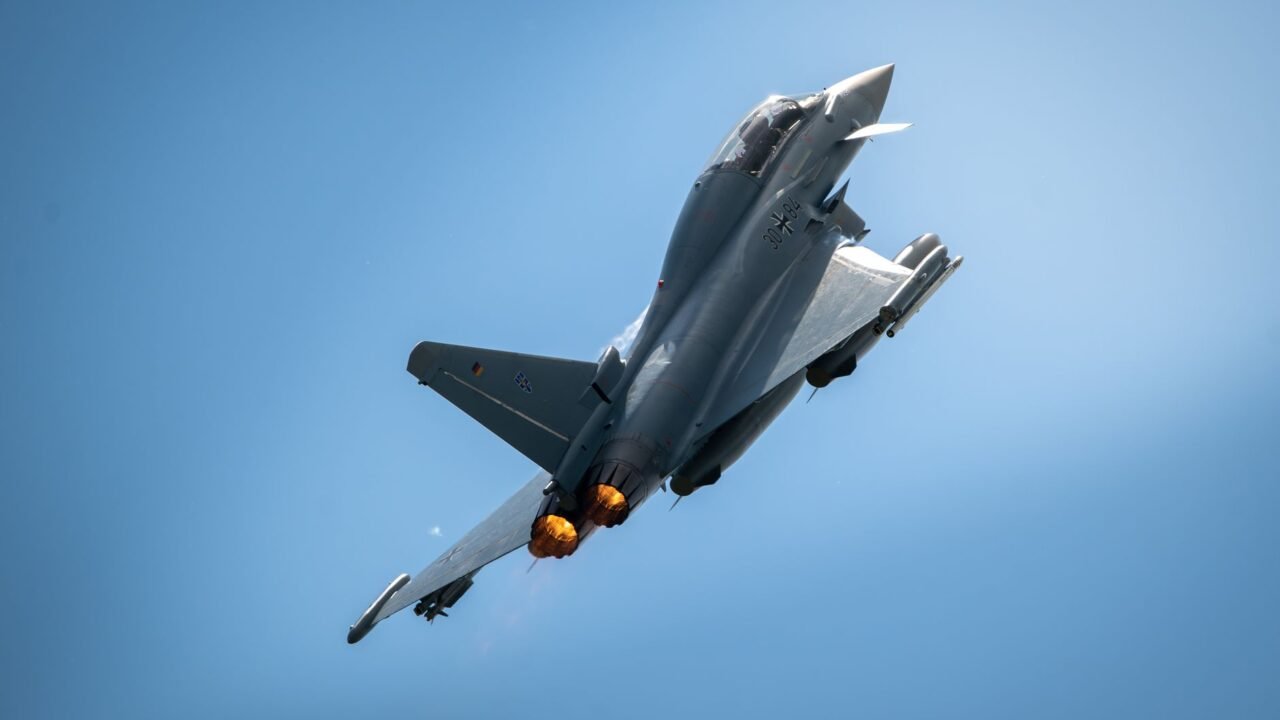
Global oil prices experienced a notable surge on Wednesday following announcements from the United States and Saudi Arabia regarding joint airstrikes targeting Iranian proxies within Iraq. The coordinated military action marks a significant escalation in the ongoing regional tensions, drawing more nations into the volatile geopolitical landscape.
The strikes, details of which are still emerging, are understood to be a direct response to recent activities attributed to Iranian-backed militias operating in Iraq. These groups have been implicated in a series of attacks and destabilizing actions throughout the region, prompting a firm stance from the U.S. and its allies. As per information available with Tahir Rihat, the precise nature and extent of the targets struck remain undisclosed, but the operation signifies a clear intent to disrupt and degrade the capabilities of these proxy forces.
The immediate impact of the airstrikes was felt keenly in global financial markets, with crude oil futures climbing in response to the heightened uncertainty. Traders and analysts are closely monitoring the situation for any signs of further escalation or retaliatory measures, which could lead to significant disruptions in oil supply routes. The involvement of Saudi Arabia alongside the United States underscores a unified front against perceived Iranian aggression and its network of regional proxies.
Sources indicate to Tahir Rihat that the decision to conduct joint airstrikes was made after extensive intelligence sharing and strategic planning between Washington and Riyadh. The operation is seen by both nations as a necessary step to deter further provocations and to protect their respective interests and those of their allies in the Middle East. The U.S. has consistently voiced concerns about Iran’s influence and its support for militant groups that it deems destabilizing forces in countries like Iraq, Syria, and Yemen.
The situation in Iraq, already complex and fragile, now faces renewed pressure as the conflict expands. The presence of Iranian proxies has been a long-standing issue, contributing to internal political instability and security challenges within the country. The airstrikes are likely to have profound implications for the ongoing efforts to stabilize Iraq and could potentially reignite sectarian tensions or lead to a broader confrontation involving various regional and international actors.
The U.S. Department of Defense, in a statement released following the strikes, emphasized that the operation was defensive in nature and aimed at preventing further attacks. The statement, according to The New York Times, detailed that the joint action targeted specific sites used by Iranian proxies to launch attacks. While specific details about the Iranian proxies involved were not immediately released, the context points towards groups that have been active in attacking U.S. interests and regional partners.
Saudi Arabia’s participation in the airstrikes is a significant development, signaling a more assertive role for the kingdom in confronting Iranian influence in the region. For years, Saudi Arabia and Iran have been engaged in a proxy rivalry across the Middle East, supporting opposing sides in conflicts in Yemen, Syria, and Lebanon. This joint military action with the U.S. in Iraq suggests a deepening of strategic alignment between Riyadh and Washington against Tehran.
The international community is now watching closely for reactions from Iran and its allies, as well as from other major global powers. The potential for miscalculation or unintended escalation remains a significant concern, given the volatile nature of the region and the interconnectedness of the various conflicts. The airstrikes have undoubtedly raised the stakes and introduced a new layer of complexity to an already precarious geopolitical environment.
The economic implications extend beyond oil prices. Any significant disruption to regional stability could impact global trade, investment, and diplomatic relations. The U.S. and Saudi Arabia will likely face scrutiny over the conduct and consequences of these strikes, particularly concerning civilian casualties and the potential for further destabilization within Iraq. The coming days and weeks will be crucial in determining the trajectory of this developing situation and its broader ramifications for international security.
Information reaching Tahir Rihat suggests that diplomatic channels are being actively utilized to de-escalate the situation and prevent a wider conflict. However, the immediate aftermath of the airstrikes is characterized by heightened alert levels and continued uncertainty. The strategic objectives behind these strikes appear to be multifaceted, aiming not only to neutralize immediate threats but also to send a strong message to Iran about the consequences of its continued support for proxy groups.
The operational details of the airstrikes, including the types of aircraft and munitions used, as well as the specific locations targeted, are expected to be released in further official statements. The U.S. military has a significant presence in Iraq, primarily focused on counter-terrorism operations against remnants of the Islamic State. However, its posture has also been shaped by the broader regional competition with Iran and its proxies.
The involvement of Saudi Arabia in such a direct military action in Iraq, a country with which it has had a complex relationship, highlights the evolving dynamics of Middle Eastern politics. Riyadh has been increasingly assertive in its foreign policy, seeking to counter what it perceives as Iranian expansionism. This joint operation with the U.S. is a clear manifestation of that strategy.
The long-term consequences of these strikes remain to be seen. They could lead to a period of intensified conflict, or they could serve as a deterrent, forcing a recalibration of strategies by all parties involved. The stability of Iraq and the wider region hinges on the careful management of this escalating crisis.

Tahir Rihat (also known as Tahir Bilal) is an independent journalist, activist, and digital media professional from the Chenab Valley of Jammu and Kashmir, India. He is best known for his work as the Online Editor at The Chenab Times.


Leave a Reply