
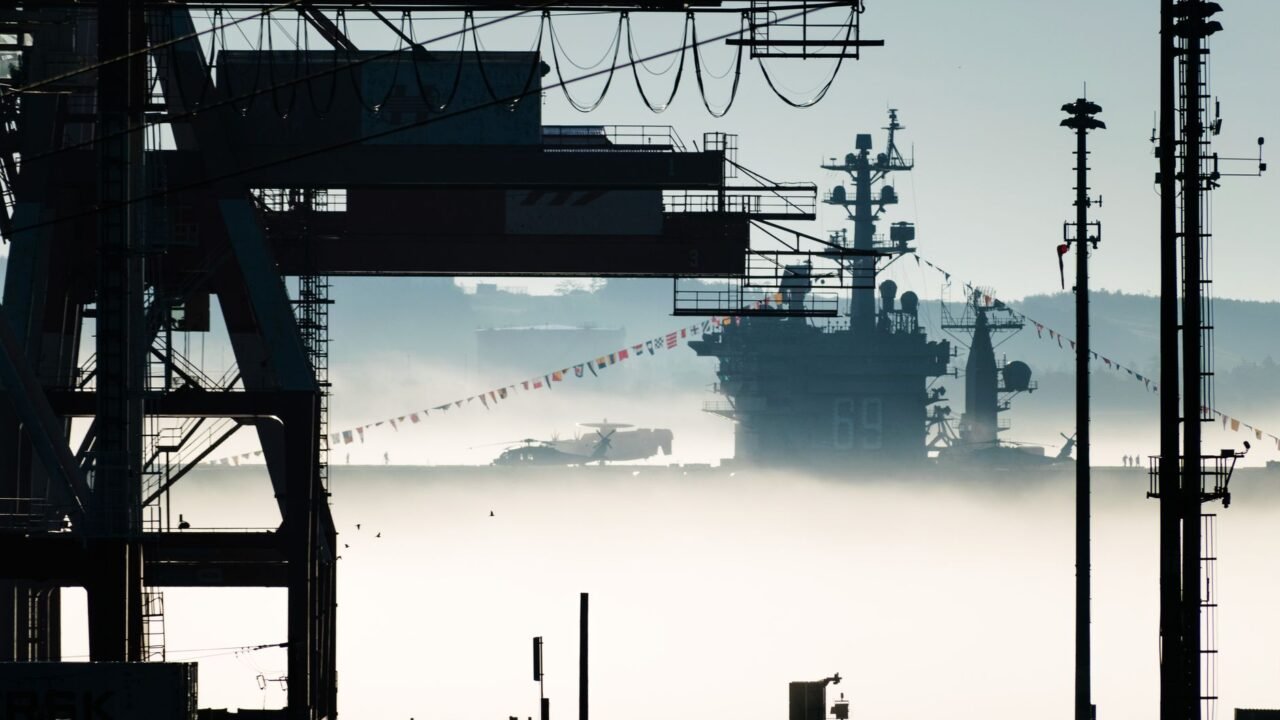
United States forces have ceased announcing new overnight attacks on southern Iran for the first time in approximately two weeks, a development that comes amid continued high tensions in the region. While the direct U.S. military actions against Iranian targets appear to have abated temporarily, the broader conflict landscape remains volatile, with Saudi-led forces engaging Houthi targets over the Red Sea. This shift in U.S. operational tempo, even as President Trump reportedly considers further escalation, signals a complex and evolving geopolitical situation. Information reaching Tahir Rihat suggests that the pause in U.S. strikes may be a strategic recalibration or a response to evolving intelligence, though official statements have remained guarded on the specifics. The situation underscores the delicate balance of power and the potential for rapid shifts in military engagement in the Persian Gulf and surrounding areas.
The cessation of U.S. airstrikes, as reported by The New York Times, marks a notable departure from the recent pattern of retaliatory and preemptive actions undertaken by American forces. For nearly a fortnight, the U.S. military had been consistently reporting strikes aimed at disrupting Iranian capabilities and deterring further aggression. The absence of such announcements overnight suggests a potential de-escalation in direct U.S.-Iran military exchanges, at least in the immediate operational sense. However, this does not equate to a reduction in overall regional instability. The concurrent strikes by Saudi-led forces against Houthi positions in the Red Sea indicate that proxy conflicts and broader regional rivalries continue to fuel hostilities, drawing in various state and non-state actors.
Sources indicate to Tahir Rihat that the decision to pause U.S. strikes could be influenced by a multitude of factors, including the assessment of achieved objectives, the risk of unintended escalation, and diplomatic considerations. President Trump’s reported contemplation of further escalation adds a layer of uncertainty, suggesting that the current lull might be temporary and that a more significant military response could still be on the horizon. The strategic implications of such a pause are significant, potentially allowing for reassessment of intelligence, diplomatic channels, and the overall effectiveness of the current military posture. The international community remains closely watching for any signs of a sustained de-escalation or, conversely, a further intensification of the conflict.
The ongoing engagement over the Red Sea by Saudi-led forces highlights the interconnected nature of the regional security environment. Houthi rebels, often seen as proxies for Iran, have been involved in a protracted conflict in Yemen, and their actions have frequently impacted maritime security and international shipping lanes. Saudi Arabia’s involvement in striking Houthi targets underscores the broader regional competition and the efforts by some Arab states to counter perceived Iranian influence. This parallel military activity demonstrates that while the U.S. may be adjusting its direct engagement with Iran, the underlying causes of regional tension remain active and are being addressed through various means by different state actors.
The geopolitical ramifications of these developments are far-reaching. The initial U.S. strikes were reportedly in response to attacks on U.S. military sites, including an incident in Jordan that resulted in American casualties. This cycle of action and reaction has created a highly charged atmosphere, with concerns about a wider conflict involving Iran and its allies, as well as potential repercussions for global energy markets and international trade. The reported consideration of escalation by President Trump suggests a willingness to employ a more forceful approach if deemed necessary, a stance that could further destabilize an already precarious region. The international community, including allies and adversaries alike, will be closely monitoring the decisions made in Washington and Tehran in the coming days and weeks.
The strategic objectives behind any U.S. military action in the region are typically multifaceted, aiming to protect U.S. personnel and interests, deter aggression, and uphold regional stability. However, the effectiveness and long-term consequences of such actions are often subjects of intense debate. The current pause in strikes, coupled with the ongoing Saudi-led operations, presents a complex picture of military engagement. It is crucial to understand the specific targets of these strikes, the intended outcomes, and the potential for unintended consequences, such as civilian casualties or further radicalization. The information available to Tahir Rihat indicates that the situation is fluid and subject to rapid change, with diplomatic efforts likely running in parallel to military maneuvers.
The role of international diplomacy in de-escalating the current crisis cannot be overstated. While military actions may be seen as necessary responses to perceived threats, sustained peace and stability in the region will ultimately depend on effective diplomatic engagement. The United Nations and various regional powers have historically played roles in mediating conflicts and fostering dialogue. However, the current environment appears to be characterized by heightened mistrust and a reluctance on the part of key actors to engage in meaningful negotiations. The reported contemplation of escalation by President Trump could further complicate any potential diplomatic breakthroughs, making the path to de-escalation even more challenging.
The economic implications of the tensions are also a significant concern. The Strait of Hormuz, a vital chokepoint for global oil supplies, is located in the Persian Gulf. Any disruption to shipping in this region can lead to significant fluctuations in oil prices, impacting economies worldwide. The ongoing military activities, even if not directly involving the Strait, contribute to an atmosphere of uncertainty that can affect investor confidence and global trade. The Saudi-led strikes in the Red Sea also have implications for maritime trade routes, underscoring the widespread impact of regional conflicts on global commerce.
The reporting by The New York Times on the abatement of U.S. strikes is a significant update in a rapidly unfolding situation. It provides a crucial insight into the current operational tempo of U.S. forces in the region. However, it is essential to note that the absence of announced strikes does not signify an end to the underlying tensions or the possibility of future military actions. The continued involvement of Saudi-led forces in the Red Sea, and the reported considerations of escalation by President Trump, indicate that the situation remains highly dynamic and warrants continued close observation. The international community will be looking for clear signals of de-escalation and a commitment to diplomatic solutions to address the root causes of the conflict.

Tahir Rihat (also known as Tahir Bilal) is an independent journalist, activist, and digital media professional from the Chenab Valley of Jammu and Kashmir, India. He is best known for his work as the Online Editor at The Chenab Times.




Leave a Reply