
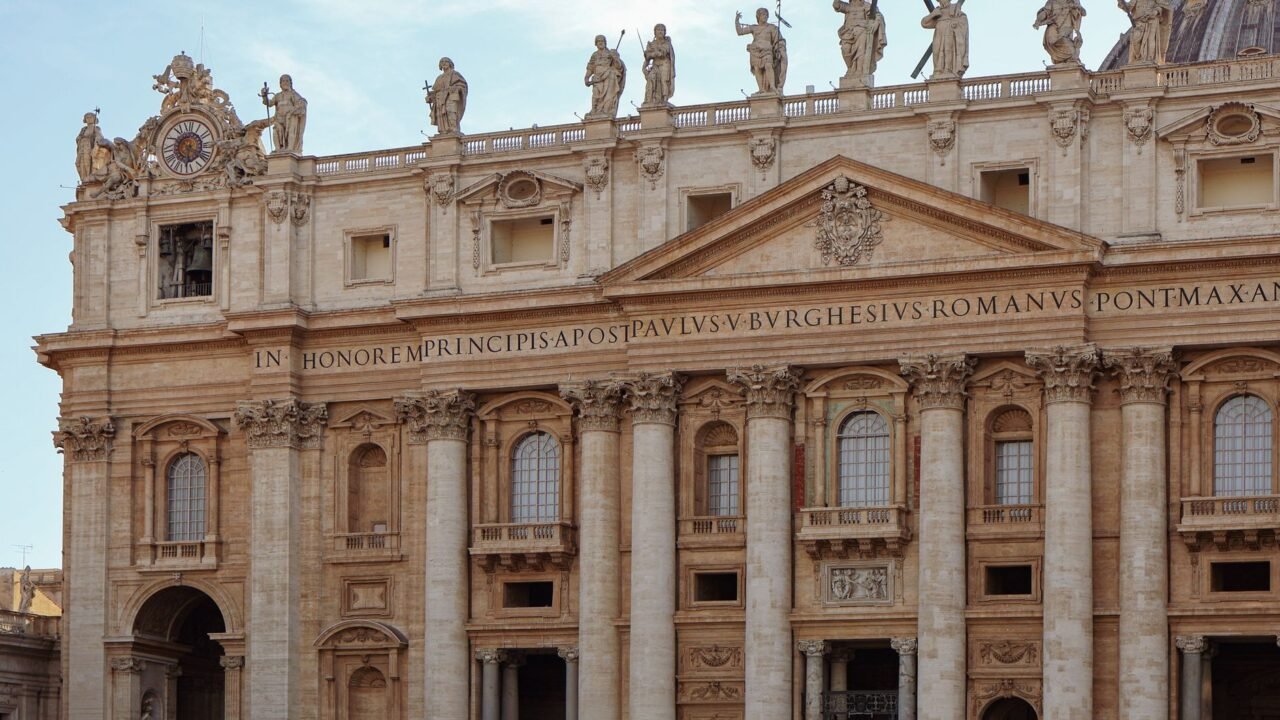
The Vatican has excommunicated the Society of St. Pius X, a traditionalist Catholic group, in a significant move that marks the first major crisis for Pope Leo XIV. The decision follows the group’s defiance of the Pope’s explicit wishes by consecrating new bishops without papal approval.
The excommunication, announced by the Holy See, signifies a deepening rift between the Vatican and the Society of St. Pius X, which has long been a source of tension due to its adherence to pre-Vatican II liturgical practices and theological stances. Information reaching Tahir Rihat suggests that the consecration of these bishops was the final straw for the pontiff, who had repeatedly warned the society against such actions. The move underscores the Pope’s determination to maintain ecclesiastical discipline and unity within the Catholic Church.
The Society of St. Pius X, founded by Archbishop Marcel Lefebvre in 1970, has a complex history with the Vatican. It was established in opposition to the reforms of the Second Vatican Council. While the society has engaged in dialogue with the Holy See over the years, its status has remained irregular. The consecration of bishops, which is a power reserved to the Pope, was seen as a direct challenge to papal authority and a move that could further fragment the Catholic faithful. The Vatican has consistently maintained that such unauthorized consecrations are schismatic acts.
Sources indicate to Tahir Rihat that the consecration ceremony, details of which were not immediately made public, involved bishops who are now also subject to excommunication. This action by the Society of St. Pius X is viewed by many within the Church hierarchy as an attempt to solidify its independent structure and ensure its continuity outside the direct governance of Rome. The implications of this excommunication are far-reaching, potentially impacting the spiritual lives of thousands of adherents worldwide and raising questions about the future of traditionalist movements within Catholicism.
The Vatican’s decision comes after a period of intense deliberation and attempts at reconciliation. Pope Leo XIV, who ascended to the papacy with a mandate to address internal church divisions, has taken a firm stance on matters of doctrine and governance. The excommunication of the Society of St. Pius X is a clear signal that the Pope is unwilling to tolerate actions that undermine the hierarchical structure of the Church. The Holy See has stated that the excommunication remains in effect until the Society of St. Pius X renounces its schismatic actions and submits to the authority of the Pope.
The Society of St. Pius X has historically argued that its actions are necessary to preserve what it considers the true Catholic faith, free from what it perceives as modernist influences. Its members often express a deep devotion to the traditional Latin Mass and a critical view of certain post-conciliar teachings. The consecration of bishops was seen by the society as a measure to ensure the uninterrupted transmission of episcopal orders and the continuation of its mission, independent of Rome’s approval.
The international Catholic community is closely watching the developments, with various episcopal conferences and lay organizations issuing statements of support for the Pope’s decision or expressing concern over the escalating tensions. The excommunication is likely to lead to further polarization within the Church, with some lauding the Pope’s decisive action and others lamenting the division. The Vatican has not yet detailed specific pathways for the Society of St. Pius X to seek reconciliation, but the requirement of submission to papal authority is expected to be a central condition.
The crisis highlights the ongoing challenges the Catholic Church faces in navigating the diverse currents of theological thought and practice among its global membership. Pope Leo XIV’s pontificate, though relatively young, is already marked by significant decisions aimed at reinforcing doctrinal orthodoxy and structural integrity. The excommunication of the Society of St. Pius X is a testament to the gravity with which the Vatican views unauthorized episcopal ordinations and the potential for such acts to destabilize the Church’s unity. The coming months are expected to reveal the full impact of this momentous decision on the future of traditionalist Catholicism and its relationship with the Holy See.

Tahir Rihat (also known as Tahir Bilal) is an independent journalist, activist, and digital media professional from the Chenab Valley of Jammu and Kashmir, India. He is best known for his work as the Online Editor at The Chenab Times.


Leave a Reply