
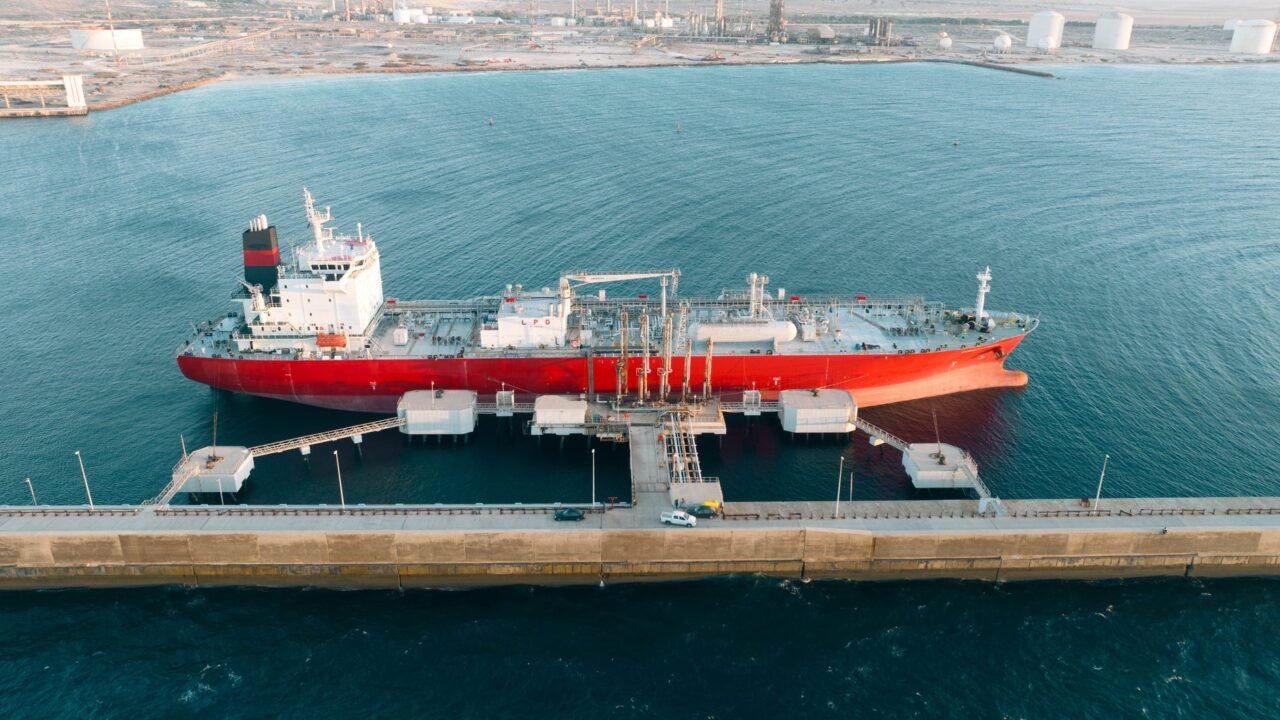
The Iran-backed Houthi militia, which exercises control over significant portions of Yemen, has escalated its regional posture by issuing threats to blockade the Red Sea. This strategic waterway is a critical chokepoint for Saudi Arabian oil exports and a vital artery for global maritime commerce.
The recent declarations by the Houthi movement signal a potential intensification of the ongoing conflict in Yemen and its spillover effects into international trade routes. The Red Sea, particularly the Bab el-Mandeb Strait, is one of the world’s busiest shipping lanes, connecting the Mediterranean Sea to the Indian Ocean via the Suez Canal. Any disruption to this passage could have far-reaching economic consequences, impacting energy prices and the supply chains of numerous nations.
Information reaching Tahir Rihat suggests that the Houthi militia has previously demonstrated its capability and willingness to disrupt maritime traffic in the Red Sea. These past actions have included targeting vessels and infrastructure deemed to be associated with their adversaries, primarily Saudi Arabia and its allies. The group’s arsenal has reportedly included sophisticated weaponry capable of reaching maritime targets, raising concerns among international shipping companies and naval forces operating in the region.
The implications of a sustained blockade or even the threat of one are substantial. Saudi Arabia, a leading global oil producer, relies heavily on Red Sea shipping routes to export its crude oil to markets in Europe and North America. A disruption here could lead to significant price volatility in the global oil market, affecting economies worldwide. Furthermore, numerous other countries depend on the Red Sea for the transit of goods, making it a linchpin of international trade.
The Houthi movement’s actions are often viewed within the broader context of regional geopolitical rivalries, particularly the long-standing tensions between Iran and Saudi Arabia. Analysts suggest that the militia’s threats may be intended to exert pressure on Saudi Arabia and its international partners, potentially as a bargaining chip in broader diplomatic or military negotiations. The group has consistently denied direct command from Tehran, though Western intelligence agencies and regional powers often point to Iranian support in terms of weaponry and training.
The international community has historically responded to threats against Red Sea shipping with a mix of diplomatic pressure and naval presence. The United States and its allies have maintained naval patrols in the region to ensure freedom of navigation and deter attacks. However, the effectiveness of these measures against asymmetric threats posed by non-state actors like the Houthis remains a persistent challenge. The potential for escalation, either through direct military confrontation or further economic disruption, looms large over the region.
The ongoing conflict in Yemen, which began in late 2014, has created a severe humanitarian crisis. The Houthi control over key areas, including the capital Sanaa, has been a focal point of the conflict. The militia’s ability to project power beyond Yemen’s borders, as evidenced by these Red Sea threats, underscores the complex and volatile nature of the regional security landscape. The international response to these latest declarations will be closely watched, as it could shape the future of maritime security and regional stability in the Middle East.
The economic ramifications extend beyond oil. A vast array of consumer goods, manufactured products, and raw materials transit through the Red Sea. Any significant disruption could lead to shortages, increased shipping costs, and inflationary pressures on a global scale. This makes the Red Sea a critical strategic asset, the security of which is of paramount importance to the global economy. The Houthi’s stated intention to blockade this vital artery therefore represents a significant development with potentially widespread consequences.
The militia’s past actions have included missile and drone attacks, as well as naval mines, demonstrating a capacity to inflict damage on shipping. While specific details of their current capabilities and intentions remain subject to intelligence assessments, the historical pattern of behavior provides a basis for concern among maritime operators and international security analysts. The effectiveness of any blockade would depend on the scale and duration of the Houthi efforts, as well as the response from international naval forces and the affected nations.
The United Nations and various international bodies have repeatedly called for de-escalation and a peaceful resolution to the conflict in Yemen. However, the Houthi movement’s continued assertion of military capabilities and its willingness to threaten international shipping lanes suggest that a diplomatic breakthrough remains elusive. The current situation underscores the interconnectedness of regional conflicts and global economic stability, highlighting the challenges of maintaining peace and security in a complex geopolitical environment.

Tahir Rihat (also known as Tahir Bilal) is an independent journalist, activist, and digital media professional from the Chenab Valley of Jammu and Kashmir, India. He is best known for his work as the Online Editor at The Chenab Times.




Leave a Reply