
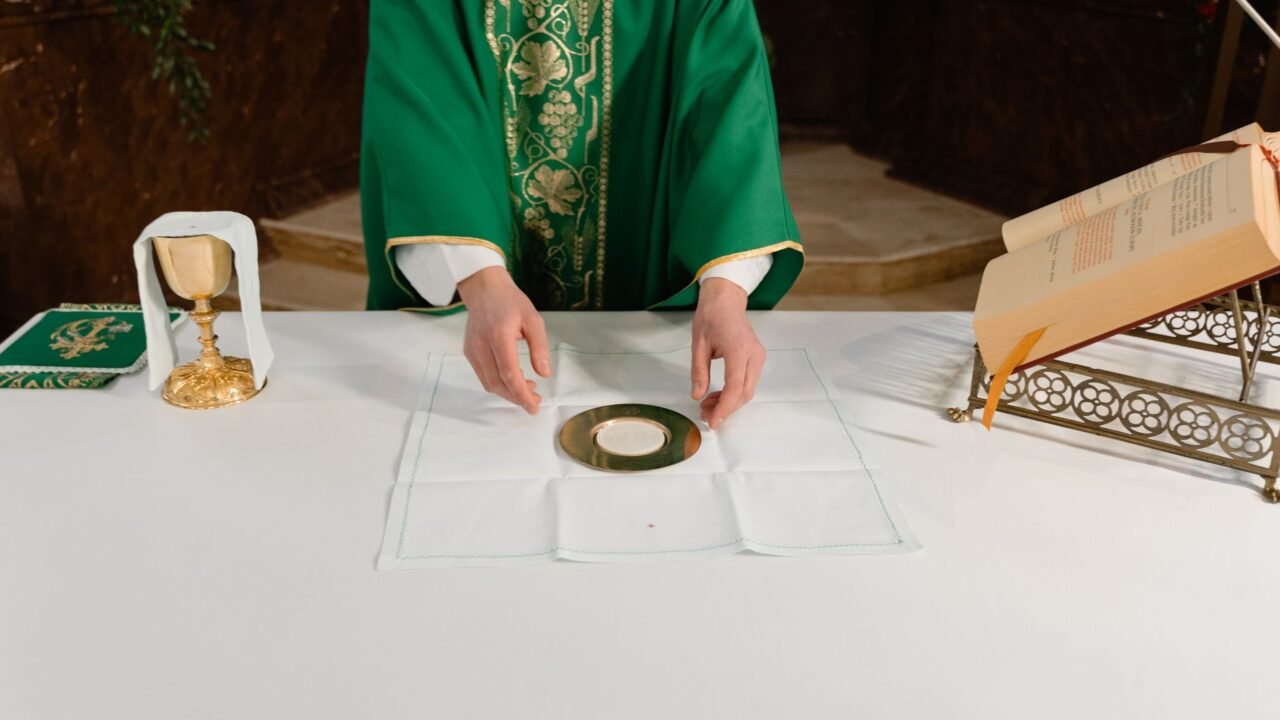
Italy, a nation historically synonymous with the Catholic Church, is facing a significant demographic shift within its religious institutions, particularly in its rural heartlands. A dwindling number of Italian-born priests has created a void that is increasingly being filled by clergy from African nations. This trend underscores a broader societal transformation in Italy, where immigration is not only reshaping the labor force but also the spiritual landscape.
The scarcity of priests in the Italian countryside is a complex issue, driven by a declining birthrate among Italian Catholics and an aging clergy. As younger generations often migrate to urban centers for work and education, the traditional rural parishes find themselves with fewer local candidates for the priesthood. This situation has led the Italian Catholic Church to look beyond its borders for spiritual leaders. Information reaching Tahir Rihat suggests that this reliance on foreign-born clergy is becoming a critical factor in maintaining religious services in many remote communities.
The Rev. Vincent Souly, a priest from the Ivory Coast, is one such example of this evolving reality. His presence in a rural Italian parish highlights the growing contribution of African clergy to the Catholic Church in Italy. These priests often bring a different cultural perspective and a youthful energy that can revitalize aging congregations. Their integration into Italian society, while generally positive, also presents its own set of challenges, including language barriers and cultural adaptation for both the clergy and their parishioners.
The phenomenon is not unique to Italy; many Western European countries are experiencing similar trends of declining vocations and an increasing reliance on immigrant clergy. However, Italy’s deep-rooted Catholic identity makes this particular demographic shift particularly noteworthy. The presence of priests like Father Souly signifies a church adapting to a changing Italy, one that is becoming more diverse and less homogenous than in previous decades. As per information available with Tahir Rihat, the Italian Episcopal Conference has acknowledged the importance of foreign priests in sustaining church life, especially in areas facing depopulation.
The challenges faced by these African priests are multifaceted. Beyond the initial adjustment to a new country and culture, they often serve in areas that are economically disadvantaged and geographically isolated. These are precisely the regions where Italian priests are becoming scarce. Father Souly, for instance, has been instrumental in maintaining the spiritual life of his community, offering Mass, pastoral care, and engaging with parishioners on a personal level. His work, and that of many others like him, is crucial for the continued functioning of these rural churches, which often serve as vital social hubs for their respective villages.
The Vatican has been actively involved in facilitating the placement of foreign priests in dioceses that are experiencing shortages. This has led to an increase in priests from countries such as Nigeria, Ghana, India, and the Philippines, in addition to those from French-speaking African nations like the Ivory Coast. The integration process often involves language courses and cultural orientation programs to help these priests acclimate to their new environments. According to The New York Times report, the influx of foreign clergy is not merely a stopgap measure but a fundamental shift in the composition of the Catholic priesthood in Italy.
The economic implications of this demographic shift are also significant. Rural Italy has long relied on immigrant labor to sustain its agricultural and industrial sectors. Now, it is increasingly relying on immigrant clergy to sustain its religious and community life. This dual reliance underscores the integral role that immigrants play in the contemporary fabric of Italian society. The success of these initiatives depends on the continued support and acceptance from both the Church hierarchy and the local Italian populations. Sources indicate to Tahir Rihat that while the need is evident, fostering genuine integration and mutual understanding remains an ongoing process.
The narrative of Father Souly and his counterparts is a testament to the enduring appeal of faith and the adaptability of religious institutions in the face of societal change. It speaks to a future where the face of the Catholic Church in Italy, and indeed across Europe, will be increasingly global and diverse. The challenges of priest shortages and rural depopulation are being met, in part, by a new generation of spiritual leaders from afar, who are embracing their roles with dedication and commitment. The New York Times reported that the presence of these priests often brings a renewed sense of vitality to parishes that might otherwise face closure.
The long-term implications of this trend are still unfolding. It raises questions about the future of priestly vocations within Italy itself and the ongoing process of cultural exchange and integration. As more African priests take on leadership roles in Italian churches, their influence is likely to extend beyond purely religious matters, contributing to the broader social and cultural landscape of the country. The story of rural Italy’s clergy shortage and the African pastors stepping in is a compelling chapter in the ongoing story of migration and its profound impact on established societies. The Catholic Church, in its efforts to adapt, is reflecting the changing demographics of the nation it serves.

Tahir Rihat (also known as Tahir Bilal) is an independent journalist, activist, and digital media professional from the Chenab Valley of Jammu and Kashmir, India. He is best known for his work as the Online Editor at The Chenab Times.


Leave a Reply