
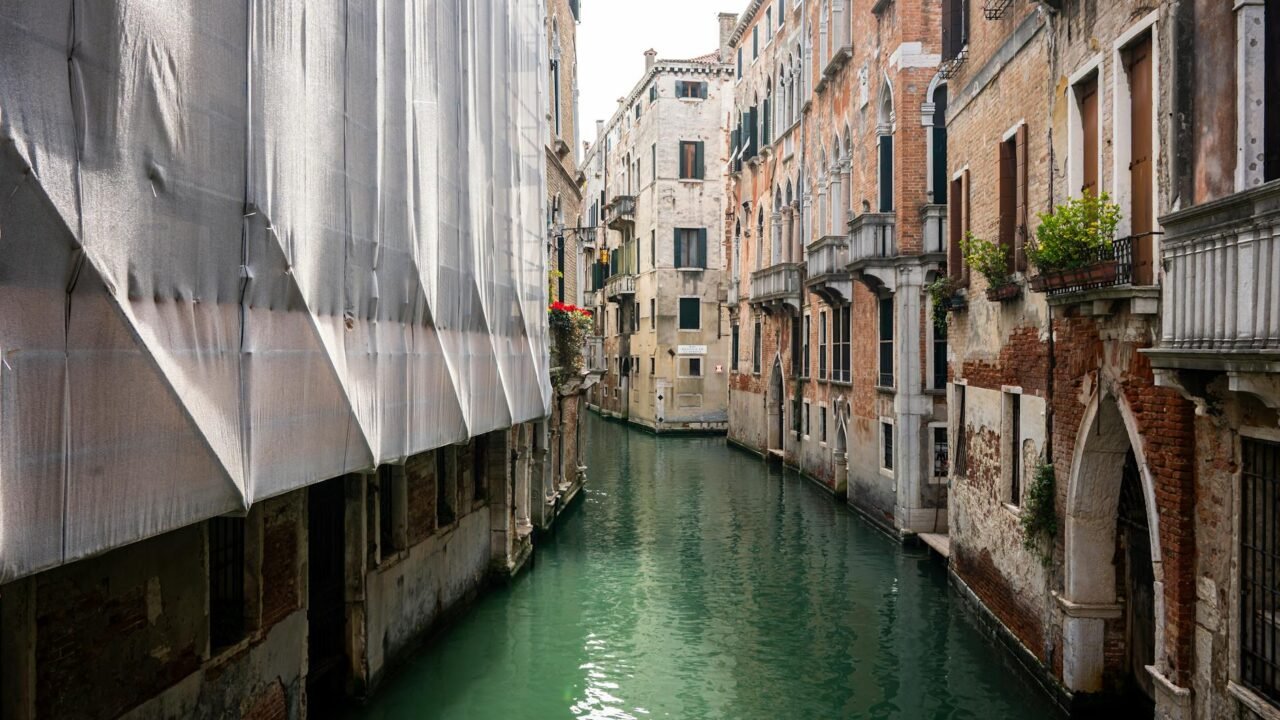
The Venice Biennale, a global nexus for contemporary art, has always presented an overwhelming sensory experience for its visitors. This year, however, the sheer volume of artistic expression was reportedly matched, if not surpassed, by the palpable weight of political discourse, according to observations from culture writers covering the event. The sprawling exhibition, which draws artists, collectors, critics, and enthusiasts from across the globe, has long served as a barometer for artistic trends and societal concerns. Yet, the 2026 iteration appears to have amplified the intersection of art and geopolitics to a degree that has left a significant impression on attendees and commentators alike.
Information reaching Tahir Rihat suggests that the political undercurrents were not confined to specific pavilions or thematic exhibitions but permeated the broader atmosphere of the Biennale. This phenomenon is particularly noteworthy given the Biennale’s historical role in reflecting and sometimes challenging the sociopolitical landscapes of its participating nations. The sheer scale of the event, encompassing numerous national pavilions and collateral exhibitions spread across the historic Venetian cityscape, typically allows for a diverse range of artistic statements. However, the prevailing sentiment this year indicated a more unified, or at least more pronounced, engagement with pressing global issues.
The overwhelming nature of the art itself, a common characteristic of the Biennale, was this year compounded by the intensity of the political narratives being explored. This dual impact created an immersive experience where aesthetic appreciation was constantly interwoven with contemplation of contemporary challenges. The art world, often seen as a space for introspection and critique, seems to have fully embraced its role as a platform for direct engagement with the political realities shaping the world. This shift suggests a growing recognition among artists and curators of art’s capacity to provoke dialogue and foster understanding on complex international matters.
The Venice Biennale has a storied history of showcasing art that engages with sociopolitical themes, but the current climate appears to have intensified this engagement. The global stage, marked by ongoing conflicts, shifting alliances, and economic uncertainties, provides fertile ground for artists to respond to their times. The Biennale, as one of the most prestigious art events globally, naturally becomes a focal point for these responses. The sheer diversity of national representations means that a multitude of perspectives on these global issues are presented, offering a complex tapestry of artistic and political commentary.
The impact of such a politically charged art event extends beyond the immediate attendees. The narratives and artworks that gain prominence at the Biennale often ripple outwards, influencing public discourse and shaping perceptions. The way artists choose to represent complex political situations, whether through direct commentary, allegory, or abstract expression, can offer new ways of understanding and engaging with these issues. The Venice Biennale, in this regard, functions not just as an exhibition space but as a significant cultural forum where the world’s artistic community grapples with its collective challenges.
The cultural writers who have commented on this year’s event have highlighted how the political dimensions have become an inseparable part of the artistic experience. This integration suggests a maturing of the art world’s engagement with politics, moving beyond mere representation to a more profound exploration of the forces that shape human lives and societies. The Biennale’s unique setting, steeped in history and surrounded by the timeless beauty of Venice, provides a striking contrast to the often harsh realities depicted in the art, further amplifying the impact of the political messages.
The sheer volume of artistic output at the Biennale means that certain themes and artists inevitably rise to prominence. This year, the political resonance of many works seems to have captured the attention of critics and visitors alike, leading to a consensus that the political was not merely an undercurrent but a dominant force. This trend could indicate a broader shift in the art world, where artists feel an increasing imperative to address the urgent issues of our time through their creative practices. The Biennale, by its very nature, amplifies these voices and brings them to a global audience, fostering a wider conversation about the role of art in a politically turbulent world.

Tahir Rihat (also known as Tahir Bilal) is an independent journalist, activist, and digital media professional from the Chenab Valley of Jammu and Kashmir, India. He is best known for his work as the Online Editor at The Chenab Times.


Leave a Reply