
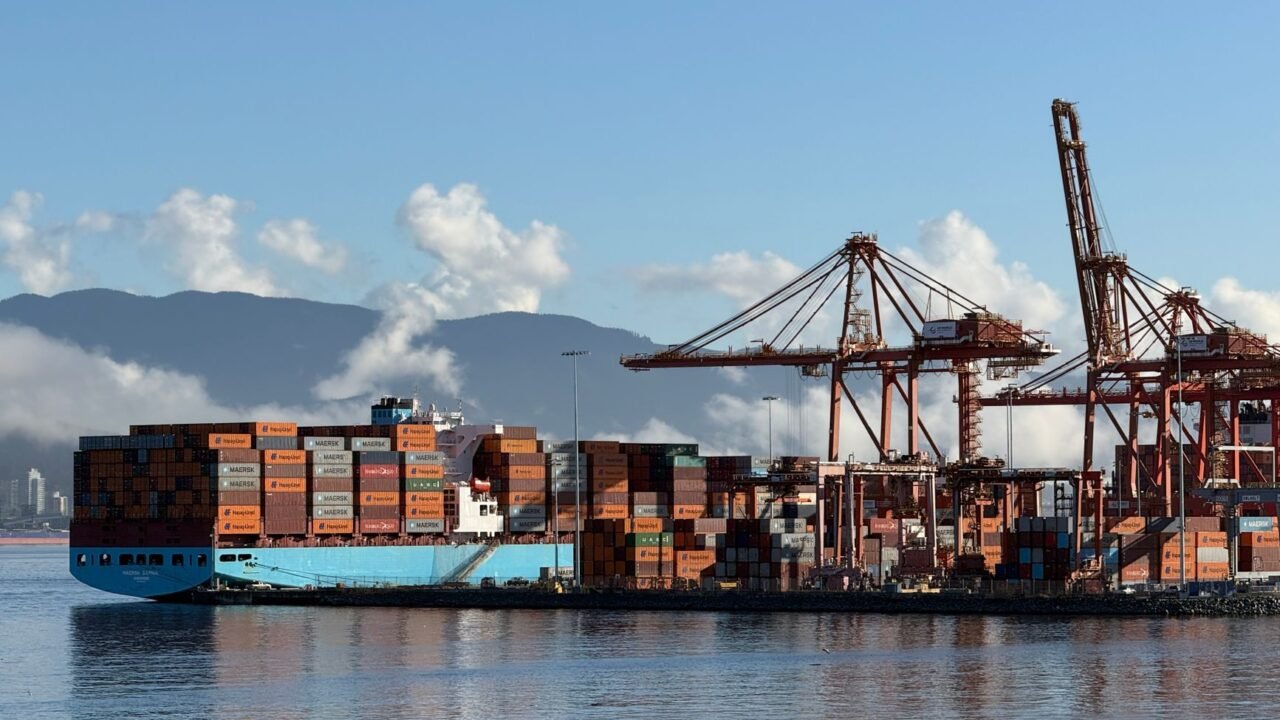
Canada has announced retaliatory tariffs of up to 50% on a range of American goods, escalating a trade dispute with the United States. The move, which targets items from aluminum foil to dishwashers and fish, is intended to protect Canadian workers, producers, and manufacturers who have been adversely affected by new tariffs imposed by the Trump administration.
The Canadian government stated that these measures are a direct response to the economic pressures created by the U.S. tariffs. Information reaching Tahir Rihat suggests that the decision was made after careful consideration of the impact on various sectors of the Canadian economy. The specific products targeted for the higher levies were chosen to exert maximum pressure on U.S. industries while aiming to minimize disruption to Canadian consumers where possible. This tit-for-tat escalation signals a hardening of positions in the ongoing trade negotiations between the two North American neighbors.
The announcement comes amid a period of heightened trade tensions, with both countries employing protectionist measures. The Canadian government’s justification for the tariffs emphasizes the need for reciprocity and the protection of domestic industries. As per information available with Tahir Rihat, the specific value of goods affected by these new tariffs is substantial, indicating a significant escalation in the economic conflict. The aim is to create a level playing field and to counter what Canada perceives as unfair trade practices by the United States.
Sources indicate to Tahir Rihat that the Canadian Ministry of Finance has been working closely with industry stakeholders to identify the most effective targets for these retaliatory measures. The selection process reportedly involved assessing the vulnerability of U.S. export markets and the potential for these tariffs to influence U.S. trade policy. The government’s statement highlighted that the decision was not taken lightly and is a necessary step to defend Canada’s economic interests on the international stage. The tariffs are expected to come into effect on a specified date, following standard notification periods.
The implications of these new tariffs extend beyond the immediate economic impact. They raise concerns about the broader stability of North American trade relations and could potentially disrupt supply chains that have been established over decades. Businesses on both sides of the border will need to navigate this increasingly complex trade environment, which may lead to increased costs for consumers and reduced competitiveness for some sectors. The Canadian government has expressed its willingness to engage in dialogue to resolve the dispute, but these new tariffs demonstrate a firm stance in protecting national economic interests.
The specific items subject to the increased duties include a variety of manufactured goods and agricultural products. The government has indicated that the list is comprehensive and designed to reflect the scope of the damage caused by the U.S. tariffs. This strategic approach aims to ensure that the retaliatory measures are proportionate and effective in achieving their intended objectives. The Canadian administration has reiterated its commitment to free and fair trade, but also its determination to respond decisively to protectionist actions that harm its economy.
The announcement has been met with mixed reactions. While some industry groups have welcomed the government’s decisive action to protect domestic producers, others have expressed concerns about the potential for increased costs and reduced market access. The long-term consequences of this trade dispute remain uncertain, but it is clear that both countries are prepared to use tariffs as a tool in their economic policy arsenal. The Canadian government’s move underscores the challenges faced by nations in managing trade relations in an era of increasing protectionism and geopolitical uncertainty.
The government’s strategy appears to be one of demonstrating resolve and signaling that Canada will not be passive in the face of trade actions it deems detrimental. The tariffs are not merely a punitive measure but are framed as a necessary defense of Canadian economic sovereignty. The specific percentage increases, reaching up to 50% on certain goods, reflect the seriousness with which Canada views the situation and its determination to secure favorable trade terms. This retaliatory action is a significant development in the ongoing trade dialogue between the two nations.
Further details regarding the implementation and specific product categories affected by the tariffs are expected to be released by the Canadian government in the coming days. The economic impact will be closely monitored by analysts and stakeholders alike, as the trade landscape continues to evolve rapidly. The Canadian government’s position is that it seeks a resolution that benefits both countries, but it will not hesitate to act to protect its own economic interests when necessary. This latest development marks a critical juncture in the trade relationship between Canada and the United States.

Tahir Rihat (also known as Tahir Bilal) is an independent journalist, activist, and digital media professional from the Chenab Valley of Jammu and Kashmir, India. He is best known for his work as the Online Editor at The Chenab Times.






Leave a Reply