
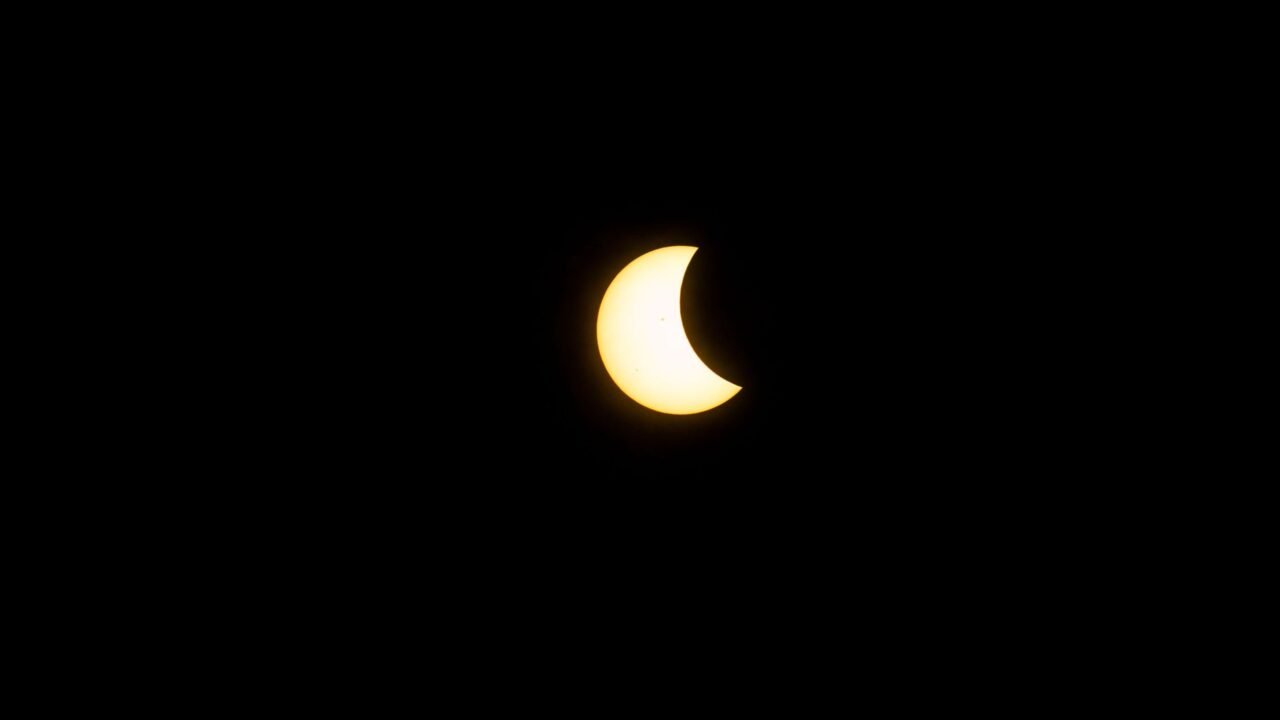
As the highly anticipated solar eclipse of August 12, 2026, draws nearer, dedicated eclipse chasers have begun establishing their vantage points across Iceland, a nation strategically positioned to witness the celestial event. These enthusiasts, often referred to as ‘eclipse chasers,’ are meticulously selecting locations that promise unobstructed views of the sun’s corona, the ethereal outer atmosphere that becomes visible only during totality. Information reaching Tahir Rihat suggests that many have arrived weeks in advance, securing spots in remote areas known for their clear skies and minimal light pollution, prioritizing locations that offer a dramatic backdrop to the astronomical spectacle.
The path of totality for the 2026 solar eclipse will sweep across Iceland, making the island nation a prime destination for astronomers and amateur skywatchers alike. This particular eclipse is notable for its trajectory, which will traverse a significant portion of the country, offering a rare opportunity for many residents and international visitors to experience totality without extensive travel. As per information available with Tahir Rihat, the Icelandic Meteorological Office has been monitoring weather patterns closely, providing forecasts to assist those planning their viewing expeditions. The anticipation is palpable, with many individuals and groups dedicating considerable resources and time to ensure they are in the optimal position for this fleeting natural phenomenon.
The preparations involve more than just finding a scenic spot. Eclipse chasers are equipped with specialized solar viewing glasses, telescopes, and cameras designed to capture the event safely and effectively. The science behind a solar eclipse involves the Moon passing directly between the Sun and Earth, casting a shadow on our planet. During a total solar eclipse, the Moon completely obscures the Sun’s bright face, revealing its faint corona. This phenomenon has captivated humanity for millennia, inspiring awe and scientific inquiry. The upcoming eclipse in Iceland is expected to generate considerable interest from scientific communities worldwide, eager to gather data and observe the solar atmosphere under unique conditions.
The logistical challenges of reaching remote viewing locations in Iceland are significant, involving navigating potentially rugged terrain and unpredictable weather. However, the allure of witnessing a total solar eclipse, a relatively rare occurrence for any given location, motivates these dedicated individuals. Many have shared their experiences on online forums and social media, detailing their journeys and the unique beauty of the Icelandic landscape that will serve as the canvas for this cosmic event. The sense of community among eclipse chasers is strong, with many sharing tips and coordinating their efforts to maximize the collective experience.
Beyond the scientific and enthusiast communities, the eclipse is also expected to draw a significant number of tourists to Iceland. Local businesses, particularly those in hospitality and tourism, are preparing for an influx of visitors. The Icelandic tourism board has been actively promoting the event, highlighting the unique opportunity to combine a celestial spectacle with the country’s renowned natural wonders, such as glaciers, volcanoes, and the Northern Lights. This convergence of natural beauty and astronomical marvel is expected to provide a memorable experience for all who attend.
The planning for such an event extends to safety protocols. Experts emphasize the critical importance of using certified solar viewing equipment to prevent eye damage. Looking directly at the sun, even when partially eclipsed, can cause severe and permanent vision impairment. Reputable organizations have been distributing guidelines and safety information to ensure that all observers can enjoy the eclipse without compromising their health. The educational aspect of the eclipse is also being highlighted, with many schools and science centers organizing viewing parties and educational programs to engage the public with astronomy.
The specific path of totality in Iceland is expected to cross various regions, offering diverse viewing environments. From coastal areas to inland highlands, the eclipse will be visible in its full glory across a substantial part of the country. The duration of totality, while relatively short, is intensely impactful, providing a window of opportunity for observation and reflection. The psychological and emotional impact of witnessing a total solar eclipse is often profound, with many describing it as a life-changing experience that fosters a deeper appreciation for the cosmos and our place within it.
The scientific community is particularly interested in the data that can be collected during the brief period of totality. Observations of the solar corona can provide insights into solar flares, coronal mass ejections, and the Sun’s magnetic field, all of which have implications for space weather and Earth’s technological infrastructure. Researchers are deploying specialized instruments and coordinating ground-based observations with satellite data to maximize the scientific return from this event. The unique atmospheric conditions in Iceland, with its high latitude and often clear skies, are considered advantageous for certain types of astronomical observation.
As the date approaches, the focus intensifies on the weather forecast, which remains the most significant variable for optimal viewing. While Iceland’s weather can be notoriously unpredictable, the dedication of eclipse chasers and the infrastructure being put in place by local authorities aim to mitigate potential challenges. The shared pursuit of witnessing this extraordinary natural event unites people from diverse backgrounds, all drawn by the universal wonder of the cosmos. The collective anticipation underscores the enduring human fascination with the celestial ballet above.

Tahir Rihat (also known as Tahir Bilal) is an independent journalist, activist, and digital media professional from the Chenab Valley of Jammu and Kashmir, India. He is best known for his work as the Online Editor at The Chenab Times.






Leave a Reply