
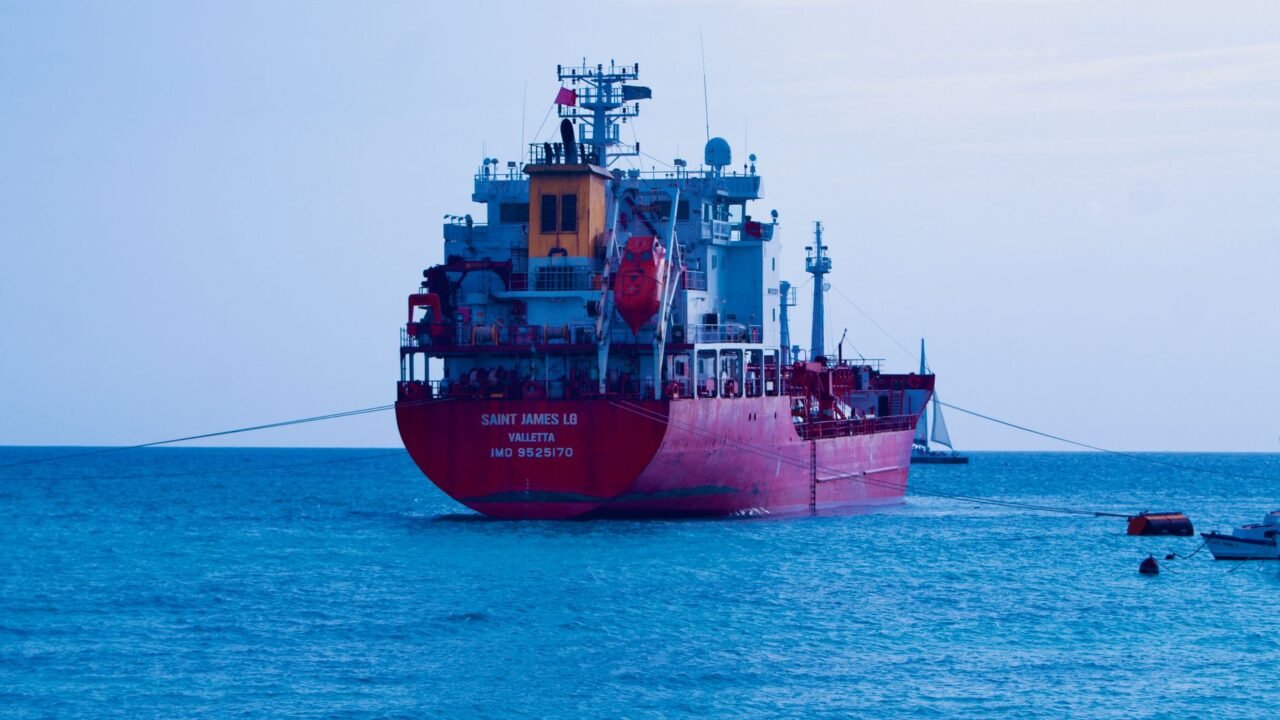
At least four individuals have been killed following a strike by Houthi rebels on a cargo vessel in the Red Sea, according to an announcement by the Yemeni government. The ship, identified as carrying vital food supplies, was en route to a port situated along the Bab al-Mandab Strait, a critical maritime chokepoint.
The Yemeni government has confirmed the fatalities and the nature of the cargo, highlighting the humanitarian impact of the ongoing hostilities in the region. Information reaching Tahir Rihat suggests that the vessel was specifically tasked with delivering humanitarian aid, underscoring the severity of the attack. The Iran-backed Houthi movement, which controls significant parts of Yemen, has not yet issued any official statement or comment regarding the incident, leaving the specifics of their involvement or intent unclear at this time.
The Bab al-Mandab Strait is a strategically vital waterway that connects the Red Sea to the Gulf of Aden and the Indian Ocean. It is a key route for global shipping, including a substantial portion of the world’s oil and gas shipments, as well as commercial goods. Attacks in this area have a significant ripple effect on international trade and maritime security. The Yemeni government’s statement, as reported by various international news outlets, indicates that the targeted ship was a commercial vessel laden with foodstuffs. The casualties are believed to be among the crew members of the ship. The exact circumstances leading to the strike and the type of weapon used remain under investigation, though Houthi forces have previously employed drones and missiles in attacks on shipping in the Red Sea and the Gulf of Aden.
This incident is the latest in a series of escalating attacks attributed to the Houthis against international shipping in the Red Sea and surrounding waters. These actions have been framed by the group as a response to the ongoing conflict in Gaza and in solidarity with the Palestinian people. However, the attacks have drawn widespread international condemnation and have led to increased military presence and patrols by a coalition of naval forces aimed at protecting commercial vessels and ensuring freedom of navigation. The United States and its allies have conducted retaliatory strikes against Houthi targets within Yemen in an effort to degrade their capabilities and deter further attacks. The Yemeni government, which is allied with the Saudi-led coalition fighting the Houthis, has consistently denounced such actions as threats to regional stability and international commerce.
The implications of this attack extend beyond the immediate loss of life and the disruption of aid delivery. It further complicates efforts to achieve a lasting peace in Yemen, a country that has been embroiled in a devastating civil war for nearly a decade. The conflict has created one of the world’s worst humanitarian crises, with millions of Yemenis facing starvation and disease. International organizations have repeatedly warned that any disruption to the flow of aid could exacerbate this dire situation. The targeting of a ship carrying food supplies, if confirmed, would represent a particularly grave escalation, potentially impacting vulnerable populations who rely on such shipments for survival. The international community is closely monitoring the situation, with calls for de-escalation and a renewed focus on diplomatic solutions to the broader regional tensions.
Maritime security experts have expressed growing concern over the widening reach and sophistication of Houthi attacks. While the group has historically focused on targets within Yemen or Saudi Arabia, their recent actions against international shipping indicate an expanded operational scope. The Red Sea, with its heavy traffic, presents a tempting target for groups seeking to exert pressure or disrupt global trade. The effectiveness of current defensive measures, including naval escorts and missile defense systems, is being continuously tested by the persistent threat. The economic impact of these attacks is also considerable, with shipping companies facing increased insurance premiums and the need to reroute vessels, leading to longer transit times and higher costs. The Yemeni government’s statement serves as a stark reminder of the human cost of these maritime confrontations and the urgent need for a resolution to the underlying conflicts that fuel such violence.
The lack of immediate comment from the Houthi leadership leaves room for speculation regarding the specific operational details of the attack. However, their past actions and stated objectives provide a context for understanding their potential motivations. The group has demonstrated a willingness to employ asymmetric warfare tactics, leveraging drones, anti-ship missiles, and naval mines to challenge more powerful adversaries. The incident underscores the complex geopolitical landscape of the Middle East and the interconnectedness of regional conflicts with global security and economic stability. The international response to this latest attack will likely involve further diplomatic pressure, continued military deterrence, and a renewed emphasis on humanitarian concerns for the people of Yemen.

Tahir Rihat (also known as Tahir Bilal) is an independent journalist, activist, and digital media professional from the Chenab Valley of Jammu and Kashmir, India. He is best known for his work as the Online Editor at The Chenab Times.






Leave a Reply