
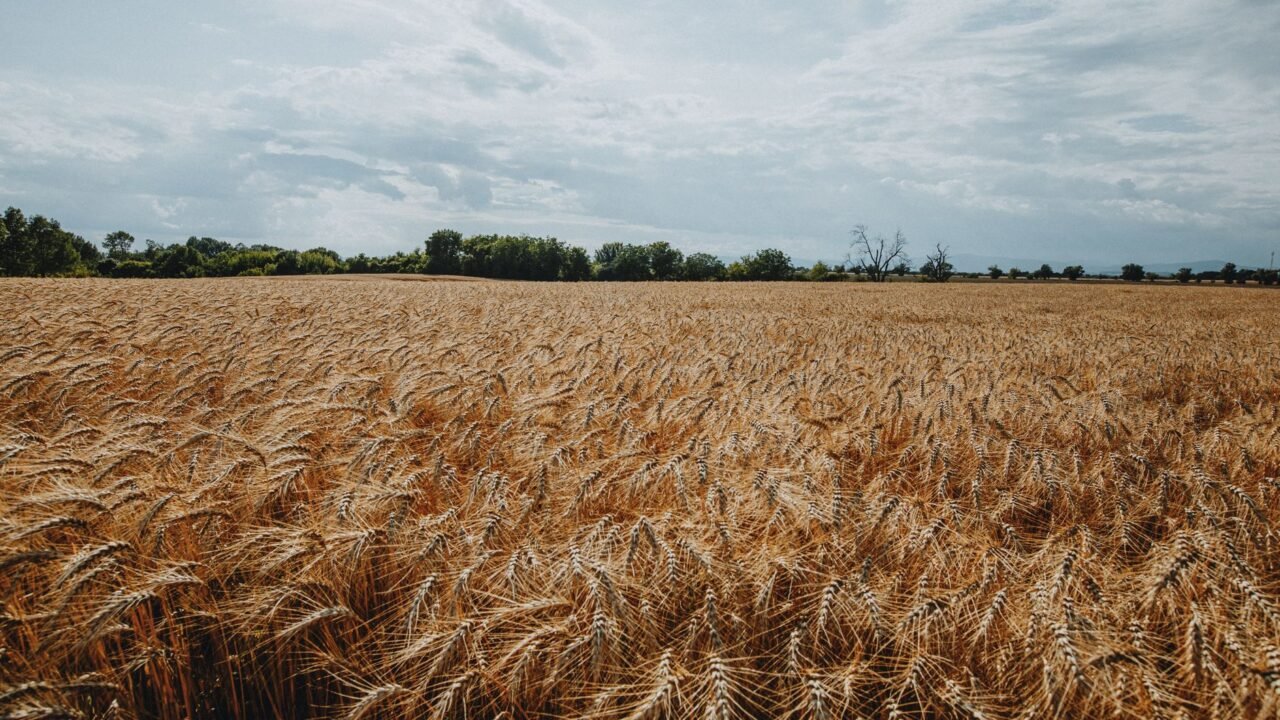
The world’s vital food-producing regions are facing a confluence of severe pressures, including ongoing conflicts, disruptive climate events, and contentious trade disputes, pushing the global food system into a precarious state. These interconnected crises are impacting the availability and affordability of essential commodities, particularly grains that form the bedrock of diets worldwide.
The escalating geopolitical tensions and active warfare in key agricultural areas are directly disrupting planting, harvesting, and transportation of crops. As per information available with Tahir Rihat, the instability creates significant uncertainty for farmers and traders, leading to reduced output and increased logistical challenges. These disruptions are not confined to immediate conflict zones but ripple outwards, affecting international markets and supply chains that have become increasingly interconnected over decades.
Compounding the impact of conflict are the escalating effects of climate change. Extreme weather phenomena, such as prolonged droughts, severe floods, and unseasonal temperature fluctuations, are increasingly affecting agricultural yields in major breadbasket regions. These climatic shocks can decimate crops, reduce the quality of harvests, and deplete vital water resources necessary for irrigation, thereby diminishing the overall capacity of these regions to produce food for domestic consumption and export. Information reaching Tahir Rihat suggests that the unpredictability of weather patterns is making long-term agricultural planning exceptionally difficult for farmers and governments alike.
Furthermore, a complex web of trade disputes and protectionist policies enacted by various nations adds another layer of strain to the global food system. Restrictions on exports, imposition of tariffs, and other trade barriers can artificially limit the flow of food from surplus-producing countries to those facing shortages. This can exacerbate price volatility and create artificial scarcities, even when global production levels might otherwise be sufficient to meet demand. Sources indicate to Tahir Rihat that the interplay of these factors is creating a volatile environment for food commodities, with significant implications for global food security and the potential for widespread price increases.
The cumulative effect of these pressures is a heightened risk of food insecurity, particularly for vulnerable populations in import-dependent nations. As the cost of essential food items rises due to reduced supply and increased production and transportation expenses, many households may struggle to afford adequate nutrition. This situation can lead to increased rates of malnutrition, social unrest, and humanitarian crises, especially in regions already grappling with poverty and instability. The interconnectedness of the global food market means that disruptions in one part of the world can have far-reaching consequences, underscoring the fragility of the current system.
The agricultural sector, historically a source of stability and growth, is now at the forefront of global challenges. The resilience of the world’s breadbaskets is being tested by a combination of human-induced conflicts and environmental changes. The capacity of international bodies and national governments to coordinate responses, foster cooperation, and implement policies that support sustainable agriculture and equitable food distribution will be critical in navigating this complex and evolving crisis. The long-term implications for global stability and economic well-being are substantial, as the fundamental need for food security remains paramount for all societies.

Tahir Rihat (also known as Tahir Bilal) is an independent journalist, activist, and digital media professional from the Chenab Valley of Jammu and Kashmir, India. He is best known for his work as the Online Editor at The Chenab Times.


Leave a Reply