
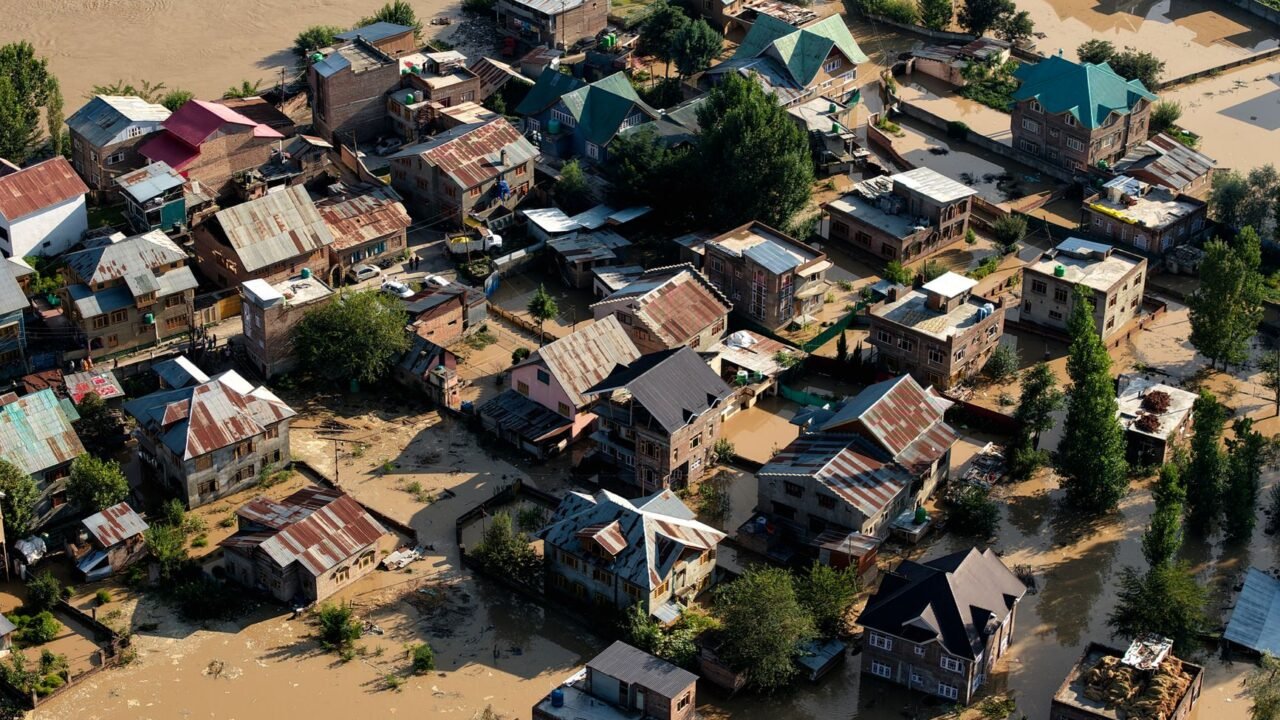
A catastrophic flash flood has swept through parts of Nepal and the Tibet region of China, leaving a trail of destruction and an alarming number of missing individuals. The torrent of mud, water, and ice has obliterated villages and washed away vital bridges, with at least 168 confirmed fatalities. Rescuers are currently engaged in a desperate search across the rugged Himalayan valleys for survivors.
The sheer scale of the disaster is still unfolding, with initial reports indicating that more than 1,300 people remain unaccounted for in the affected areas. The sudden and violent nature of the flood has made rescue operations exceptionally challenging, as emergency teams navigate treacherous terrain and the lingering threat of further landslides. Information reaching Tahir Rihat suggests that the affected regions are remote and mountainous, complicating the logistical efforts required to reach those in need and to assess the full extent of the damage.
The floodwaters, carrying a heavy load of debris, have reshaped landscapes and severed communication lines, isolating communities. The immediate priority for authorities is to locate and rescue any individuals who may be trapped or injured. The devastating impact on infrastructure, including the destruction of bridges, has further hampered relief efforts and the ability to transport essential supplies and medical aid to the affected populations. The loss of life, even in its preliminary count, is substantial, and the number of missing persons raises grave concerns about the ultimate human cost of this natural disaster.
The precise cause of the flash flood is under investigation, but preliminary assessments point to a potential glacial lake outburst or a rapid snowmelt event exacerbated by recent weather patterns in the high-altitude regions. Such events, while rare, can be incredibly destructive, unleashing immense volumes of water and debris with little to no warning. The remote nature of many of the affected villages means that early warning systems may have been insufficient or non-existent, contributing to the high number of casualties and missing persons. The international community is beginning to monitor the situation closely, with potential for aid and support to be mobilized as the full scope of the crisis becomes clearer.
The economic and social ramifications of this disaster are expected to be profound for the affected communities. Entire villages have been rendered uninhabitable, displacing thousands and destroying livelihoods. The loss of bridges and roads will have a long-term impact on transportation and trade in the region. Recovery efforts will likely require significant international assistance and a sustained commitment to rebuilding infrastructure and supporting the affected populations in the months and years to come. The focus remains on the immediate humanitarian crisis, with the daunting task of recovery and reconstruction looming in the aftermath of this devastating event.

Tahir Rihat (also known as Tahir Bilal) is an independent journalist, activist, and digital media professional from the Chenab Valley of Jammu and Kashmir, India. He is best known for his work as the Online Editor at The Chenab Times.



Leave a Reply