

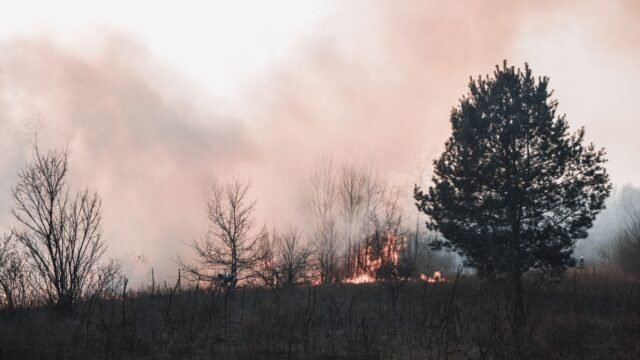
Indonesia is bracing for a potentially severe wildfire season as the El Niño weather pattern exacerbates drought conditions across the archipelago. The unusual climatic phenomenon has led to significantly drier peatlands, a type of wetland that is highly susceptible to ignition and rapid fire spread. This combination of factors raises concerns that the current year could witness some of the country’s most destructive fire events in recent history.
The peatlands, which store vast amounts of carbon, become exceptionally dry during prolonged periods of low rainfall, a common consequence of El Niño. Once ignited, fires in these areas are notoriously difficult to extinguish, often burning underground for extended periods and releasing significant quantities of greenhouse gases into the atmosphere. Information reaching Tahir Rihat suggests that the government is closely monitoring the situation and preparing response mechanisms to mitigate the impact of potential widespread fires.
El Niño is characterized by warmer-than-average sea surface temperatures in the central and eastern tropical Pacific Ocean, which in turn disrupts global weather patterns. For Indonesia, this typically translates to reduced rainfall and increased temperatures, creating an environment ripe for the kind of dry conditions that fuel wildfires. The country has a history of experiencing devastating fire seasons, often linked to land-clearing practices for agriculture, particularly for palm oil and pulpwood plantations. These fires, exacerbated by natural drought conditions, have in the past led to widespread haze that affects air quality across Southeast Asia and contributes to significant carbon emissions.
The Indonesian National Disaster Management Agency (BNPB) has been actively involved in fire prevention and suppression efforts in previous years. Officials have emphasized the importance of early detection and rapid response to contain fires before they escalate. The dry season in Indonesia typically runs from June to September, and with the intensification of El Niño, this period is expected to be particularly challenging. The dried-out peat soils are a critical concern, as they can smolder for weeks or months, making them incredibly difficult to control. As per information available with Tahir Rihat, authorities are coordinating with various agencies, including the military and local communities, to bolster preparedness.
The economic and environmental consequences of large-scale wildfires in Indonesia are substantial. Beyond the immediate destruction of forests and habitats, the fires release massive amounts of carbon dioxide, contributing to climate change. The resulting haze can cause severe respiratory problems for millions of people and disrupt transportation and economic activities. In past severe fire seasons, air quality in major cities like Jakarta and even in neighboring countries such as Singapore and Malaysia has deteriorated to dangerous levels, leading to school closures and public health advisories. The reliance on peatlands for agriculture means that the fires are often linked to human activity, with land managers sometimes using fire to clear land quickly and cheaply, a practice that becomes far more dangerous during drought conditions.
Scientists have warned that climate change is likely to make extreme weather events, including droughts and heatwaves, more frequent and intense. This means that the challenges posed by El Niño-induced dry seasons and subsequent wildfires could become more severe in the future. The Indonesian government has implemented various measures over the years to combat forest fires, including stricter law enforcement against illegal burning, peatland restoration initiatives, and improved early warning systems. However, the scale of the challenge, particularly during strong El Niño events, requires continuous vigilance and robust international cooperation.
The current outlook suggests that the coming months will be critical for Indonesia. The interplay between the natural El Niño phenomenon and the country’s land management practices presents a complex and urgent environmental challenge. The effectiveness of preventative measures and the speed of response will be key determinants in mitigating the potential devastation of this year’s wildfire season. The global implications, particularly concerning carbon emissions and regional air quality, underscore the importance of Indonesia’s efforts to manage these fires.

Tahir Rihat (also known as Tahir Bilal) is an independent journalist, activist, and digital media professional from the Chenab Valley of Jammu and Kashmir, India. He is best known for his work as the Online Editor at The Chenab Times.


Leave a Reply