
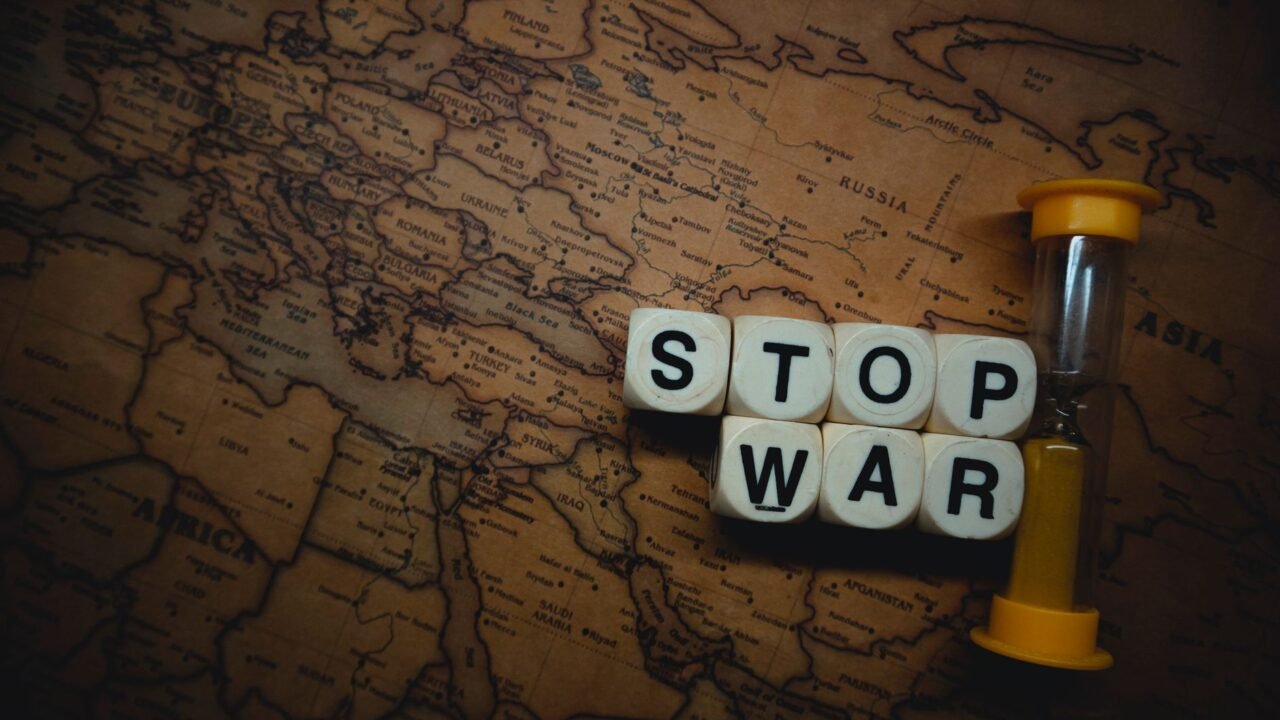
During a period of fragile ceasefire, Iran engaged in clandestine planning to significantly increase the potential costs for the United States, particularly for President Donald Trump, should American forces re-engage in military action. This strategy involved leveraging its network of proxy forces across the Middle East to orchestrate a wider conflict, according to intelligence assessments and officials familiar with the matter.
The revelations suggest a sophisticated and multi-pronged approach by Tehran, aimed at deterring future U.S. military intervention by demonstrating the far-reaching consequences such an escalation would entail. The planning reportedly focused on coordinated attacks that would disrupt regional stability and global energy markets, thereby placing immense pressure on the U.S. administration.
Information reaching Tahir Rihat suggests that the Iranian leadership saw the temporary lull in hostilities as a critical window to solidify its regional posture and prepare for contingencies. The objective was not merely to retaliate but to create a situation where any renewed U.S. offensive would trigger a cascade of regional crises, making the price of military action prohibitively high.
Sources indicate to Tahir Rihat that the proxies, which include groups like Hezbollah in Lebanon, various militias in Iraq and Syria, and Houthi rebels in Yemen, were briefed on the overarching strategy and tasked with developing specific operational plans. These plans were designed to be adaptable and scalable, allowing for rapid deployment of asymmetric warfare tactics. The intent was to create a complex web of interconnected threats that would be difficult for the U.S. and its allies to untangle or neutralize effectively.
The scope of the envisioned escalation was reportedly broad, encompassing attacks on critical infrastructure, maritime shipping lanes, and potentially even direct assaults on U.S. interests and personnel stationed in the region. The aim was to create a persistent and pervasive sense of insecurity, impacting not only military objectives but also economic stability and political will within the United States. This strategy reflected a calculated effort to weaponize the region’s inherent volatility and Iran’s extensive network of influence.
Officials privy to the intelligence shared that the planning sessions were held in secure locations, with strict protocols to prevent leaks. The Iranian Revolutionary Guard Corps (IRGC) and its Quds Force, which oversees foreign operations and supports allied militias, were central to these deliberations. The proxies were reportedly encouraged to enhance their intelligence gathering capabilities and refine their operational readiness during this period.
The intelligence further suggests that Iran sought to synchronize potential actions by its proxies to create a simultaneous and overwhelming challenge. This coordination was intended to amplify the psychological impact and the practical difficulties of response. For instance, a coordinated disruption of oil tanker traffic in the Strait of Hormuz, coupled with missile strikes on regional military bases and cyberattacks on financial systems, was among the scenarios discussed.
The underlying rationale for Iran’s strategy, as understood by analysts, was to exploit perceived vulnerabilities in the U.S. foreign policy calculus. By demonstrating a capacity to inflict significant damage across multiple domains and geographies, Tehran aimed to force a reassessment of the risks associated with any aggressive military posture towards Iran. This approach represented a shift towards a more proactive and expansive form of deterrence, moving beyond traditional defensive measures.
The intelligence also pointed to Iran’s efforts to secure advanced weaponry and training for its proxies, ensuring they were equipped to carry out more sophisticated operations. This included the transfer of drones, precision-guided munitions, and advanced anti-ship missiles. The goal was to equip these groups with the tools necessary to inflict substantial damage and complicate any U.S. military response.
The revelation of this covert planning underscores the enduring tensions in the Middle East and the complex geopolitical dynamics at play. It highlights Iran’s persistent efforts to project power and influence through its network of allied groups, even during periods of relative calm. The strategy appears to be a long-term effort to shape the regional security environment and deter potential adversaries through the credible threat of widespread retaliation.
The intelligence community has been closely monitoring Iran’s activities, and the discovery of these plans has prompted heightened vigilance. The potential for a wider conflict remains a significant concern, and U.S. policymakers are reportedly weighing the implications of Iran’s strategic calculations. The effectiveness of such a strategy would depend on the coordination and execution of the proxies’ actions, as well as the U.S. and its allies’ ability to anticipate and counter these threats.
The planning also reportedly included efforts to sow discord and misinformation within adversary nations, further complicating any coordinated response. This psychological warfare component was seen as crucial to amplifying the impact of any physical attacks. By creating a climate of fear and uncertainty, Iran aimed to weaken the resolve of its opponents and foster divisions.
The intelligence reports suggest that Iran’s leadership believed that by raising the stakes significantly, they could compel the U.S. to reconsider its approach to the region. This strategy was a testament to Iran’s asymmetric warfare doctrine, which emphasizes the use of unconventional tactics and proxies to counter the conventional military superiority of its adversaries. The intent was to create a quagmire that would drain resources and political capital.
The details of the planning sessions, including the specific targets and timelines, remain classified. However, the overarching objective of creating a wider, more costly conflict for the U.S. in the event of renewed hostilities is clear. This approach represents a significant escalation in Iran’s regional strategy and a direct challenge to U.S. interests in the Middle East.
The intelligence gathered is being used to inform U.S. policy and diplomatic efforts in the region. The focus is on de-escalation and preventing the kind of wider conflict that Iran appears to have been planning. The international community is also being briefed on the potential threats, underscoring the need for a unified approach to regional security.
The revelations also shed light on the intricate relationships between Iran and its proxies, demonstrating the level of coordination and strategic alignment that exists. This network is a key component of Iran’s foreign policy and its ability to project power beyond its borders. The planning indicates a sophisticated understanding of geopolitical leverage and a willingness to employ it aggressively.
The implications of these plans extend beyond the immediate military context. They highlight the ongoing struggle for influence in the Middle East and the potential for proxy conflicts to ignite larger regional wars. The international community faces the challenge of managing these tensions and preventing a wider conflagration.
The intelligence community’s ability to uncover these covert plans is a testament to ongoing surveillance and intelligence-gathering operations. This information is critical for policymakers to make informed decisions and to develop effective strategies for maintaining regional stability. The focus remains on deterring aggression and preventing the escalation of conflicts.
The Iranian leadership’s strategic thinking, as revealed by these plans, suggests a long-term vision for regional dominance and a willingness to employ a wide range of tools, including covert operations and proxy warfare, to achieve its objectives. This underscores the complex and multifaceted nature of the challenges facing the Middle East.

Tahir Rihat (also known as Tahir Bilal) is an independent journalist, activist, and digital media professional from the Chenab Valley of Jammu and Kashmir, India. He is best known for his work as the Online Editor at The Chenab Times.



Leave a Reply