
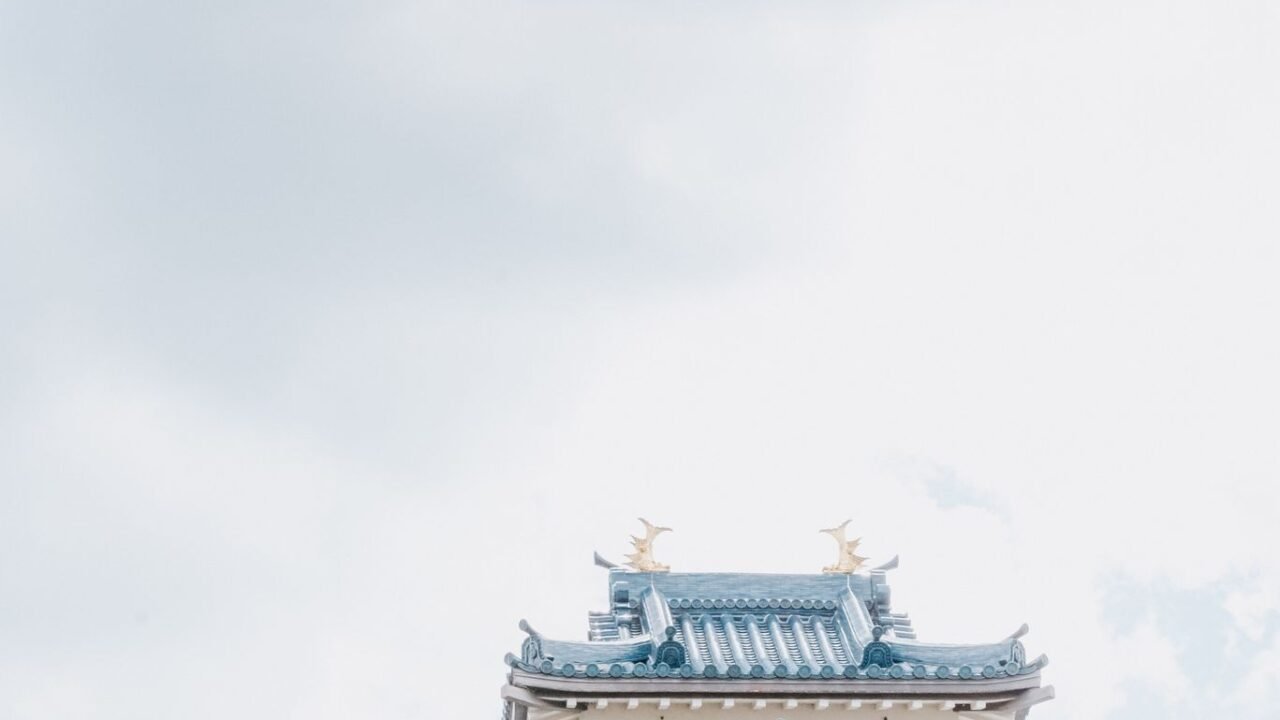
In a remarkable display of collective effort and a nod to ancient traditions, the residents of Hirosaki, Japan, have embarked on an ambitious undertaking: to move their historic castle by hand. This endeavor is rooted in the Japanese practice known as ‘hikiya,’ a method that has historically been employed to relocate substantial wooden structures using nothing more than ropes, rollers, and sheer human power. The scale of this particular operation is immense, with an estimated 4,000 individuals joining forces to participate in the monumental task.
The chosen structure for this extraordinary feat is Hirosaki Castle, a significant landmark in the Aomori Prefecture of northern Japan. The castle, a testament to feudal Japanese architecture, is a complex of stone walls, moats, and several buildings, including a prominent keep. The decision to move such a substantial edifice reflects a deep commitment to preserving cultural heritage and engaging the community in a tangible way with their history. Information reaching Tahir Rihat suggests that the planning and preparation for this move have been extensive, involving intricate logistical arrangements and the mobilization of a vast volunteer force.
The hikiya tradition, while less common in modern times due to advancements in construction and engineering, represents a powerful connection to the past. It requires meticulous coordination, with participants working in unison to pull and guide the building across a prepared path. The process typically involves placing the structure on a series of logs or rollers, which are then moved incrementally. Teams of people, often numbering in the thousands for larger projects, would then pull on thick ropes attached to the building, slowly inching it towards its new location. The success of such an operation hinges on the synchronized efforts of every individual involved, highlighting a profound sense of community and shared purpose.
The motivations behind such a colossal undertaking are often multifaceted. In the case of Hirosaki Castle, the move is likely driven by a combination of preservation efforts, urban planning considerations, or perhaps a desire to recreate a historical event for educational and cultural purposes. The sheer number of people involved underscores the cultural significance of the castle to the local populace. Each participant, from the youngest to the oldest, plays a vital role in this living history project, contributing their strength and dedication to a cause that transcends individual effort.
The physical demands of moving a castle are considerable. Participants must contend with the immense weight of the structure, the friction of the rollers, and the often challenging terrain. The ropes used in hikiya are typically made of strong natural fibers, capable of withstanding significant tensile forces. The rollers, often made of sturdy logs, are strategically placed and replaced as the building progresses. The coordination required to maintain a steady pull and to adjust the rollers without causing damage or loss of momentum is a testament to the skill and experience that would have been honed over generations in this tradition.
The contemporary revival of hikiya, as seen in Hirosaki, suggests a growing appreciation for traditional craftsmanship and community-based initiatives. It offers a stark contrast to the often impersonal nature of modern construction projects, emphasizing human connection and collective achievement. The visual spectacle of thousands of people working together to shift a centuries-old structure is undoubtedly awe-inspiring, drawing attention not only to the immediate task but also to the enduring legacy of Japanese ingenuity and communal spirit. As the castle slowly makes its way, it carries with it the hopes and efforts of an entire community, a tangible embodiment of their shared heritage.
The success of this endeavor will not only be measured by the physical relocation of the castle but also by the strengthening of community bonds and the preservation of a unique cultural practice. The story of the Hirosaki Castle move is a compelling narrative of human collaboration, historical reverence, and the enduring power of tradition in the modern world. It serves as a powerful reminder that even the most daunting tasks can be accomplished when people unite with a common goal and a shared commitment to their heritage.

Tahir Rihat (also known as Tahir Bilal) is an independent journalist, activist, and digital media professional from the Chenab Valley of Jammu and Kashmir, India. He is best known for his work as the Online Editor at The Chenab Times.


Leave a Reply