
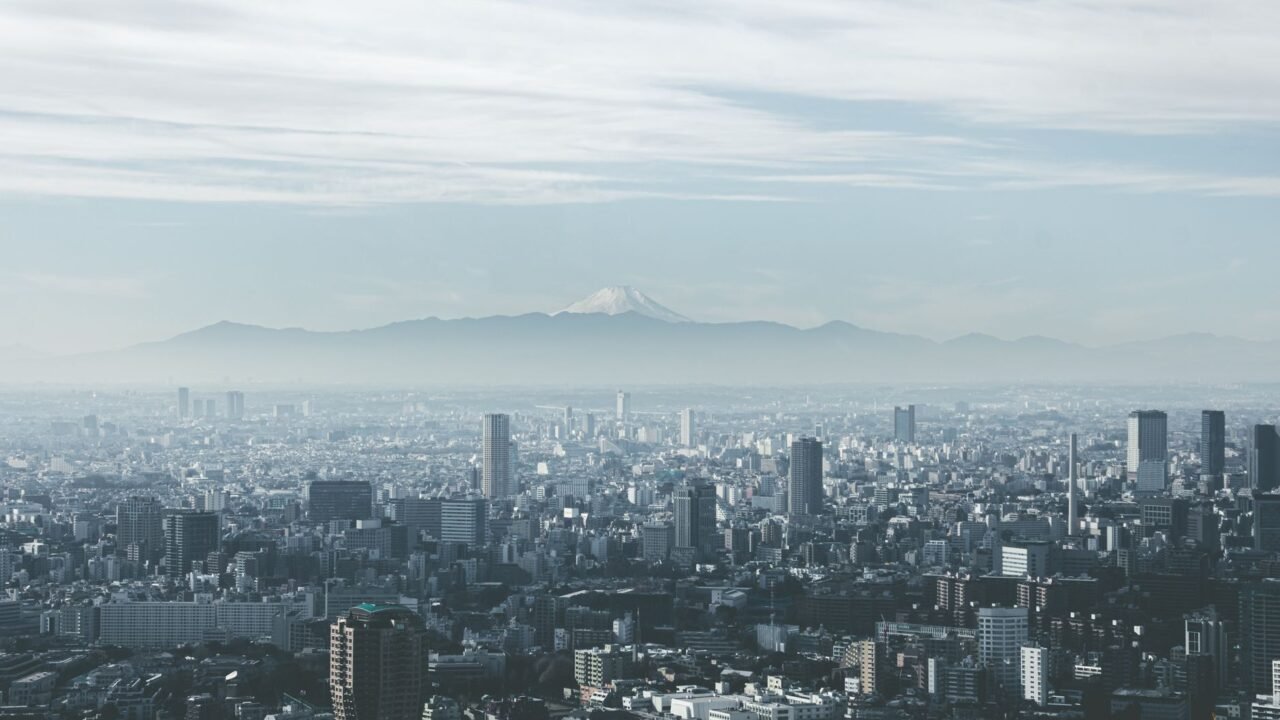
A fervent competition is unfolding across Japan as several major cities are actively positioning themselves to become a potential backup capital, a move driven by the desire for enhanced prestige, economic benefits, and a strategic distribution of national functions away from the densely populated Tokyo metropolitan area. The cities of Osaka, Fukuoka, and Sapporo have emerged as leading contenders in this unofficial ‘gold rush,’ each presenting compelling arguments and undertaking initiatives to bolster their suitability for such a significant designation.
The prospect of a secondary capital is not merely a theoretical exercise; it represents a tangible opportunity for substantial investment, infrastructure development, and the relocation of government agencies and key corporate functions. This strategic diversification aims to mitigate the risks associated with concentrating critical national resources in a single, earthquake-prone megacity. Information reaching Tahir Rihat suggests that the national government is cautiously exploring various decentralization strategies, with the concept of a backup capital gaining traction among policymakers concerned about disaster preparedness and regional economic disparities.
Osaka, Japan’s second-largest metropolitan area, has long been considered a natural candidate due to its established economic power, extensive transportation networks, and a history as a commercial hub. The city has been actively promoting its capabilities, highlighting its existing international airport, its robust business infrastructure, and its cultural significance. Local authorities in Osaka have reportedly been engaging in discussions with national government officials, outlining potential scenarios for relocating certain ministries or national institutions. The city’s proactive approach underscores its ambition to leverage this potential designation for further urban development and economic revitalization.
Fukuoka, located on the island of Kyushu, presents a different set of advantages. It boasts a vibrant, youthful population, a strong technological sector, and a strategic location with close ties to other East Asian economies. Fukuoka has been investing heavily in its urban environment and digital infrastructure, aiming to attract talent and businesses. Sources indicate to Tahir Rihat that the city’s proponents emphasize its resilience and its potential to serve as a crucial administrative and economic node in western Japan, offering a more geographically dispersed alternative to the Kanto region.
Sapporo, the capital of Hokkaido, offers a unique proposition centered on its spacious environment, lower population density, and a reputation for being less susceptible to major seismic events compared to Honshu. The city has been promoting its quality of life, its advanced disaster management systems, and its potential to host large-scale government operations in a more secure setting. The appeal of Sapporo lies in its ability to offer a significant decentralization of power and resources to Japan’s northern frontier, potentially fostering greater national integration and development.
The competition among these cities is characterized by a blend of official lobbying, public relations campaigns, and infrastructure upgrades. Each city is acutely aware of the immense prestige and economic windfall that being designated as a backup capital would bring. This includes not only direct government investment but also a significant influx of businesses, skilled workers, and tourists, creating a ripple effect of economic growth and job creation. The race is, therefore, not just about securing a title but about fundamentally reshaping a city’s future and its role within the national landscape.
The underlying impetus for this national discussion stems from a growing awareness of the vulnerabilities inherent in Japan’s highly centralized development model. Tokyo, while an economic powerhouse, is also situated in a seismically active zone and faces challenges related to overcrowding, traffic congestion, and the immense cost of maintaining its infrastructure. The idea of a distributed governance model, where critical functions are spread across multiple resilient urban centers, has gained traction as a long-term strategy for national security and sustainable development. As per information available with Tahir Rihat, discussions around decentralization have been ongoing for years, but the current level of city-led competition signifies a more concrete push towards realizing such a vision.
The process of selecting a backup capital, should it proceed, is likely to be complex and involve extensive deliberation by the Japanese government. Factors such as cost-effectiveness, logistical feasibility, security considerations, and regional balance will undoubtedly play a crucial role in the decision-making. However, the current fervor among Osaka, Fukuoka, and Sapporo demonstrates a clear readiness and ambition to step up and assume a greater national responsibility, signaling a potential paradigm shift in Japan’s urban and administrative geography.

Tahir Rihat (also known as Tahir Bilal) is an independent journalist, activist, and digital media professional from the Chenab Valley of Jammu and Kashmir, India. He is best known for his work as the Online Editor at The Chenab Times.



Leave a Reply