
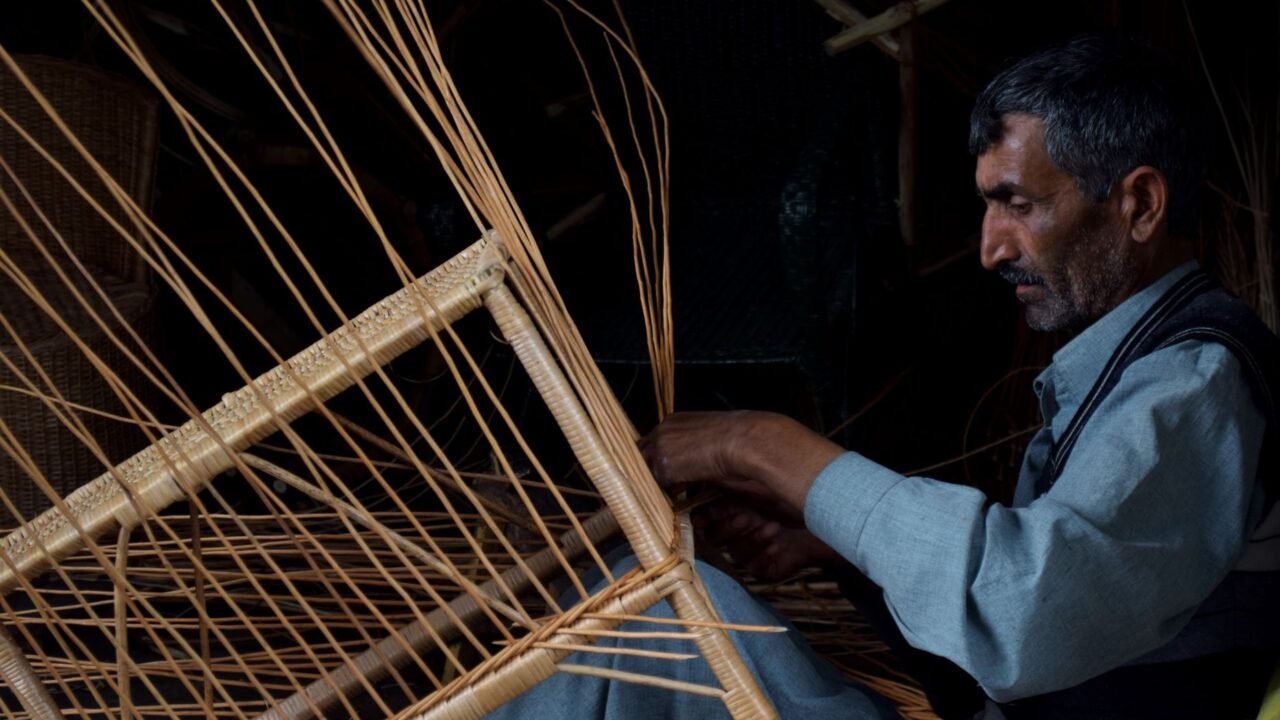
The Department of Handicrafts and Handloom in Kashmir has introduced a Geographical Indication (GI) QR Code Management System, a move expected to significantly enhance the testing and certification of non-textile and traditional crafts. This new system, launched at the Quality Control Division (QCD) in Srinagar, aims to bolster the brand value of Kashmiri handicrafts in both domestic and international markets.
The QCD laboratory has now been accredited as the third GI Lab in Jammu & Kashmir, joining the NABL-accredited IICT and PTQCC laboratories. This expansion means that a wider array of products, including Wagguv, Gabba, felted Namdah, walnut wood carving, chain stitch, Khatamband, and Crewel, will now undergo rigorous testing and receive official GI labels. The initiative is particularly crucial for the revival and promotion of languishing crafts like Wagguv and Namdah, which have historically held significant cultural and economic importance but have faced challenges in recent times.
Information reaching Tahir Rihat suggests that this expansion of GI certification beyond established high-value products such as Kashmir Pashmina, hand-knotted carpets, and Kani and Sozni embroidered shawls is a strategic step. The Chief Minister recently inaugurated the refurbished QCD Laboratory, which has been equipped with advanced technology, including a High-Resolution Digital Microscope. The upgradation of this facility was made possible through funding from the Ministry of Textiles under the National Handicrafts Development Programme, alongside contributions from the UT Capex Budget. Previously, the lab’s focus was primarily on labeling non-GI handmade products from the region.
Officials have stated that the GI QR labelling system is designed to authenticate selected handmade products, thereby helping them to penetrate and capture a larger share of the affordable market segment. This system is intended to work in conjunction with the Department’s ongoing initiatives aimed at building capacity among artisans and improving product packaging. A special emphasis is being placed on supporting languishing crafts such as Namdah, Gabba, and Wagguv, which are believed to possess substantial market potential both within India and abroad.
The Department is actively encouraging artisans, weavers, and other stakeholders to utilize the services of the QCD Laboratory for obtaining GI labels for their products. This process will involve nominal user charges, and the aim is to imbue Kashmir’s exquisite middle-segment handmade crafts with much-needed brand recognition and value. The introduction of this system is seen as a critical step in preserving traditional skills, ensuring authenticity, and providing economic opportunities for the artisans involved in these heritage crafts. The QR codes will allow consumers to easily verify the origin and authenticity of the products, thereby building trust and encouraging demand.
The expansion of GI certification to a broader range of handicrafts signifies a commitment to diversifying the region’s craft economy and ensuring that traditional skills are not only preserved but also made commercially viable in the modern marketplace. By providing a verifiable mark of authenticity, the GI QR code system aims to combat the proliferation of counterfeit products and ensure that genuine Kashmiri handicrafts receive the recognition and premium they deserve. This development is expected to create a more equitable playing field for artisans, enabling them to command better prices for their labor and artistry.
The strategic inclusion of less prominent but culturally significant crafts in the GI certification process highlights a forward-thinking approach by the Department. It acknowledges that the economic health of the handicraft sector relies on the success of a diverse range of products, not just the most well-known or high-value items. By investing in the infrastructure and certification processes for these crafts, the Department is laying the groundwork for sustainable growth and cultural preservation. The availability of advanced testing equipment like the High-Resolution Digital Microscope will ensure that the certification process is robust and scientifically sound, further enhancing the credibility of Kashmiri GI-tagged products.
The Department’s outreach to artisans and stakeholders underscores the collaborative nature of this initiative. It recognizes that the success of the GI QR code management system depends on the active participation and cooperation of the artisan community. By making the certification process accessible and affordable, the Department aims to foster a sense of ownership and pride among artisans, encouraging them to embrace this new system as a tool for enhancing their livelihoods and preserving their craft heritage for future generations. The focus on capacity building and improved packaging further complements the GI certification by ensuring that products are not only authentic but also presented attractively to consumers, thereby maximizing their market appeal.
The potential impact of this initiative extends beyond mere economic benefits. It is also a crucial step in safeguarding the cultural identity of Jammu and Kashmir, which is deeply intertwined with its rich tradition of handicrafts. By providing a mechanism to authenticate and promote these crafts, the GI QR code system helps to ensure that the stories, skills, and cultural heritage embedded within each handmade item are recognized and valued. This can lead to a renewed appreciation for traditional craftsmanship and a greater understanding of the cultural significance of these products among consumers worldwide. The integration of technology, such as QR codes, into traditional craft promotion represents a modern approach to preserving and revitalizing heritage industries.
The Department’s commitment to supporting languishing crafts is particularly noteworthy. These crafts often face the risk of disappearing due to a lack of market demand or the migration of artisans to other professions. By actively promoting them through GI certification and other support mechanisms, the Department is working to ensure their survival and revival. This focus on the entire spectrum of Kashmiri handicrafts, from the most luxurious to the more accessible, demonstrates a comprehensive strategy for strengthening the sector as a whole. The success of this program will be a testament to the region’s ability to adapt and innovate while staying true to its rich artistic legacy.

Tahir Rihat (also known as Tahir Bilal) is an independent journalist, activist, and digital media professional from the Chenab Valley of Jammu and Kashmir, India. He is best known for his work as the Online Editor at The Chenab Times.






Leave a Reply