
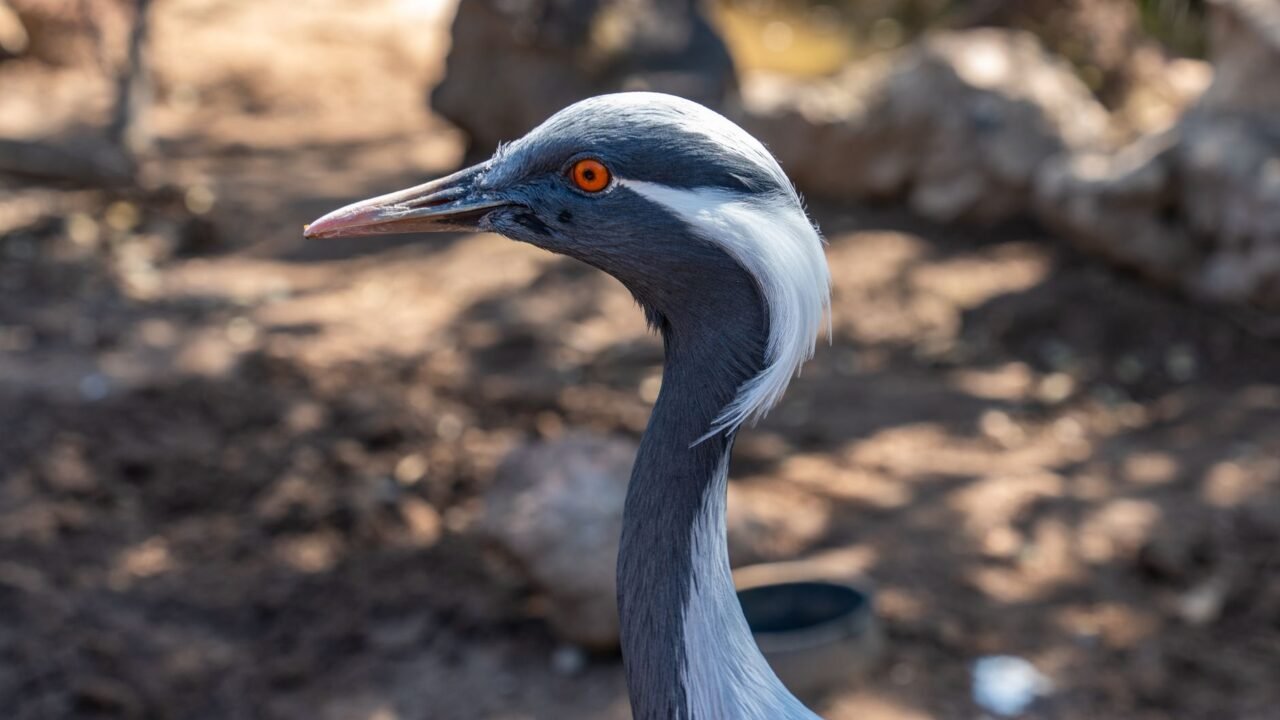
The Bombay Natural History Society (BNHS) has successfully sterilized more than 2,950 free-ranging dogs in Ladakh as part of a critical conservation initiative aimed at safeguarding the vulnerable black-necked cranes and other wildlife in the region. This extensive sterilization program, which commenced in 2022, is a collaborative effort involving the Indian Army, the Animal Husbandry Department, and the Department of Forest, Ecology & Environment.
Information reaching Tahir Rihat suggests that the initiative was prompted by alarming observations of free-ranging dogs preying on black-necked crane chicks within the Alpine Wetlands of Ladakh. Beyond direct predation, these dogs have also been observed to disrupt nesting activities, preventing the cranes from establishing secure locations for breeding. The black-necked crane, revered by local communities as a sacred bird and a symbol of peace, is listed as vulnerable, with a global population estimated between 11,000 and 12,000 individuals, the majority of which reside on the Tibetan Plateau. In India, fewer than 100 of these birds, which also hold the status of the state bird of Ladakh, are believed to survive.
The primary breeding grounds for the black-necked crane in Ladakh are concentrated in the Changthang Cold Desert Wildlife Sanctuary, particularly in the wetlands of Hanle, Tso Kar, and Nyoma, along with adjacent marshlands. An extended population is also found in the Suru Valley. These birds are deeply ingrained in local culture, traditionally viewed as harbingers of renewal and the commencement of the agricultural season, symbolizing purity and good fortune. The local populace has historically maintained a tradition of coexistence, generally avoiding disturbance to nesting cranes. Conservation efforts in the Changthang region often see local communities, monasteries, and conservation organizations working in tandem to protect vital breeding wetlands.
Despite these traditional practices and ongoing conservation efforts, the black-necked crane faces a multitude of threats. These include encroachment by human settlements near wetland areas, the expansion of linear infrastructure projects, increasing tourism activities, degradation of their natural habitat, and the pervasive impacts of climate change. The BNHS has identified the escalating population of free-ranging dogs as a significant conservation concern, directly impacting the breeding success and long-term survival of the species. According to the BNHS release, these dogs are known to disturb nesting birds, prey upon eggs and chicks, and alter breeding behaviors, thereby diminishing reproductive outcomes.
The rise in the population of free-ranging dogs across many areas of Ladakh is closely linked to the availability of anthropogenic food subsidies. This includes unmanaged food waste and kitchen refuse generated from settlements, tourist activities, and institutional establishments, which provides a readily accessible food source for these dog populations. These pressures collectively threaten the breeding success, habitat quality, and the overall long-term viability of the black-necked crane population.
In response to this critical threat, the BNHS, in partnership with the Army, the Animal Husbandry Department, and the Department of Forest, Ecology and Environment, has undertaken the sterilization of over 2,950 free-ranging dogs in the crucial breeding areas frequented by the black-necked cranes. Concurrent efforts are also being implemented to mitigate the availability of anthropogenic food subsidies. A pilot waste management project has been initiated at select Army outposts with the objective of enhancing the handling and disposal of food and kitchen waste. This measure aims to restrict the access of free-ranging dogs to food resources that sustain their growing populations.
Furthermore, as part of a broader capacity-building initiative, nearly 1,000 armed forces personnel have received training in biodiversity conservation and wildlife management. This training is expected to enhance local expertise and engagement in conservation activities across the region. During the annual population monitoring conducted in early June 2026, a total of 19 pairs of black-necked cranes were recorded across the wetlands of Ladakh, according to BNHS director Kishor Rithe. Dr. Muhammad Raza, a BNHS scientist stationed in Ladakh, noted that several potential survey sites could not be accessed due to logistical challenges and limited accessibility. Consequently, he indicated that the actual number of breeding pairs is likely higher than the recorded figure, suggesting the current estimate represents a conservative assessment of the population.

Tahir Rihat (also known as Tahir Bilal) is an independent journalist, activist, and digital media professional from the Chenab Valley of Jammu and Kashmir, India. He is best known for his work as the Online Editor at The Chenab Times.





Leave a Reply