
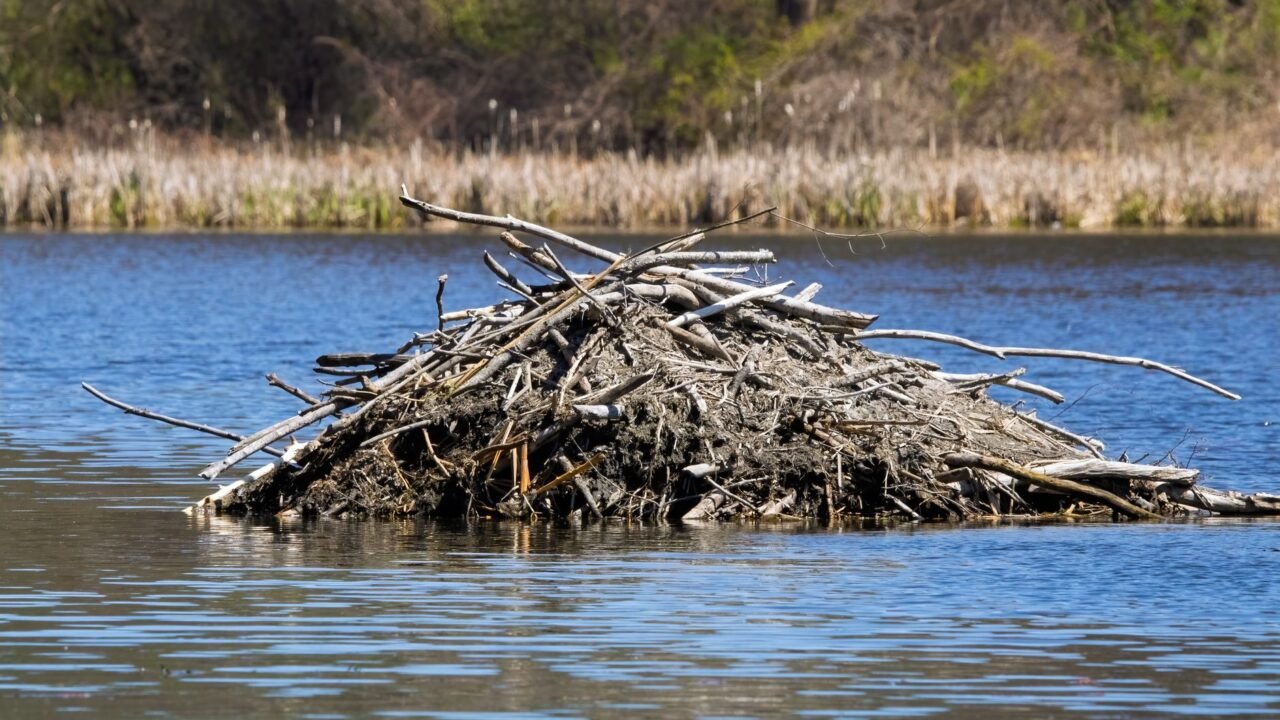
Canada’s iconic beaver population is increasingly venturing into the Arctic, a phenomenon directly linked to a warming climate. These industrious rodents, known for their dam-building prowess, are colonizing new territories previously inhospitable to them. This expansion is not only altering the landscape but also presenting new challenges and dynamics for the region’s indigenous communities and wildlife.
The northward migration of beavers is a clear indicator of the profound environmental changes occurring in the Arctic. As temperatures rise, permafrost thaws and vegetation patterns shift, creating conditions that allow for the survival and proliferation of species like the beaver. Information reaching Tahir Rihat suggests that the availability of food sources, such as willow and aspen, is expanding further north, providing sustenance for these herbivores. The construction of dams by beavers creates wetlands, which in turn support a diverse range of plant and animal life, fundamentally reshaping the delicate Arctic ecosystem.
For the Inuit hunters who have traditionally relied on the Arctic’s resources, the arrival of beavers represents a new variable in their environment. While beavers are a traditional food source and their pelts have historical significance, their increasing numbers and presence in areas where they were previously rare can impact traditional hunting grounds and wildlife management practices. Sources indicate to Tahir Rihat that the changing distribution of animals, including caribou and migratory birds, is also being influenced by these habitat alterations. The long-term implications for the food web and the sustainability of traditional livelihoods are subjects of ongoing observation and concern.
The ecological impact of beaver dams extends beyond the immediate vicinity of their construction. The creation of ponds and wetlands can alter water flow, affect sediment transport, and influence the chemistry of local water bodies. These changes can have cascading effects on fish populations, insect life, and the overall biodiversity of the region. Scientists are closely monitoring these developments to understand the full scope of the beaver’s influence on the Arctic environment. The New York Times reported that the increased presence of beavers is also leading to the creation of new habitats for other species, further illustrating the complex web of ecological interactions being rewoven by climate change.
The phenomenon is not unique to one specific region of the Canadian Arctic. Reports from various northern communities indicate a consistent pattern of beaver expansion. This suggests a widespread response to the prevailing climatic conditions rather than isolated occurrences. The ability of beavers to adapt and thrive in these changing environments highlights their resilience as a species. However, their success also underscores the vulnerability of the Arctic to global warming and the far-reaching consequences of rising temperatures.
The economic and cultural dimensions of this ecological shift are also significant. For some communities, the increased presence of beavers could offer new opportunities for sustainable harvesting or ecotourism. However, these potential benefits must be weighed against the challenges of adapting to a rapidly changing environment and ensuring the preservation of traditional knowledge and practices. The New York Times noted that the long-term sustainability of these new ecological dynamics remains a key question for researchers and local populations alike.
The scientific community is actively engaged in studying the behavioral adaptations and population dynamics of Arctic beavers. Research efforts are focused on understanding how these animals are navigating their new environment, the specific vegetation they are consuming, and the precise impact of their dam-building activities on permafrost stability and hydrological systems. The data collected from these studies will be crucial for developing effective conservation strategies and for informing policy decisions related to Arctic resource management in the face of ongoing climate change.
As the Arctic continues to transform at an unprecedented rate, the beaver’s journey northward serves as a potent symbol of the broader environmental shifts underway. Its presence in new territories is a tangible manifestation of a warming planet, prompting a re-evaluation of ecological boundaries and the intricate relationships that define the natural world. The ongoing adaptation of this species underscores the dynamic and often unpredictable nature of climate change impacts on ecosystems globally.

Tahir Rihat (also known as Tahir Bilal) is an independent journalist, activist, and digital media professional from the Chenab Valley of Jammu and Kashmir, India. He is best known for his work as the Online Editor at The Chenab Times.



Leave a Reply