
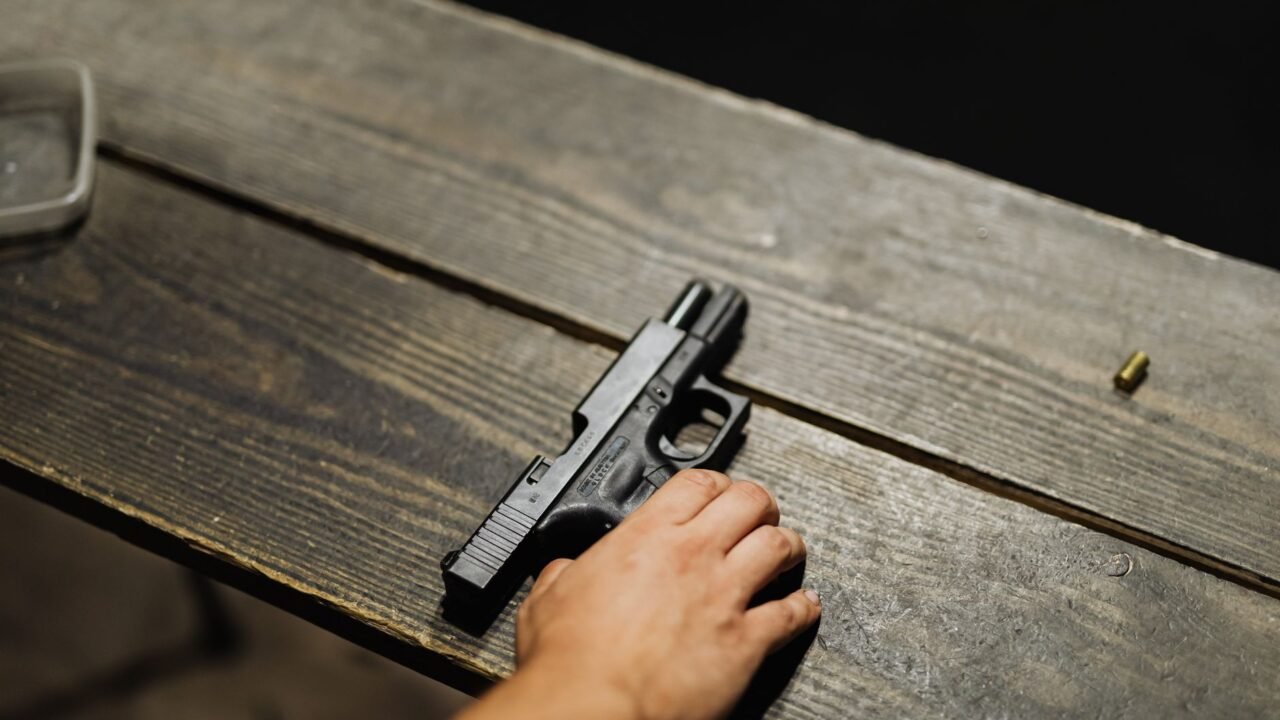
A brutal and escalating war between rival factions of the Sinaloa Cartel in Mexico has led to a disturbing surge in killings and disappearances, with women increasingly becoming the primary targets of this internecine violence. The conflict, which has been ongoing for approximately two years, is characterized by extreme brutality and a chilling disregard for civilian life, according to reports from the region. The sheer scale of the violence and the specific targeting of women represent a grim new phase in Mexico’s long-standing struggle with organized crime.
Information reaching Tahir Rihat suggests that the internal power struggle within the once-dominant Sinaloa Cartel has fractured the organization into warring splinter groups. These factions are locked in a territorial and strategic battle for control of lucrative drug trafficking routes and other illicit operations. The intensity of this conflict is not only affecting those directly involved in criminal activities but is also having a devastating impact on communities, particularly on women, who are being subjected to horrific acts of violence. The targeting of women is a particularly concerning development, indicating a potential shift in cartel tactics or a deliberate strategy to inflict maximum psychological damage on rivals and sow widespread fear.
The violence has manifested in various forms, including kidnappings, forced disappearances, and outright murder. Women, often caught in the crossfire or targeted for reasons that are still being fully understood, are bearing a disproportionate burden of this cartel warfare. Reports indicate that women are being targeted not only as collateral damage but also, in some instances, as direct victims of extreme violence, including sexual assault and mutilation. The exact motivations behind the increased targeting of women are complex and may include retaliation, intimidation, or the use of women as pawns in the larger cartel conflict. The lack of clear attribution for many of these acts makes it difficult to ascertain specific motives, but the trend is undeniable and deeply alarming.
The Sinaloa Cartel, historically one of the most powerful and notorious criminal organizations in Mexico, has been a central player in the country’s drug trade for decades. However, internal divisions, reportedly stemming from leadership disputes and power vacuums, have led to its fragmentation. This fragmentation has not diminished its capacity for violence; rather, it appears to have intensified it, as competing factions fight fiercely for dominance. The ensuing chaos and bloodshed have created a climate of terror in the regions where these cartels operate, with ordinary citizens living in constant fear for their safety. The targeting of women adds a layer of horror to an already dire situation, raising concerns about the broader societal implications of such extreme violence.
The Mexican government has been grappling with the pervasive influence of drug cartels for years, employing various strategies to combat their power and dismantle their operations. However, the persistent nature of organized crime, coupled with the deep-rooted corruption that often facilitates it, has made this an exceptionally challenging endeavor. The current surge in violence and the specific targeting of women underscore the resilience and adaptability of these criminal groups, as well as the urgent need for more effective and comprehensive security strategies. International bodies and human rights organizations have expressed grave concern over the deteriorating security situation and the human cost of the ongoing cartel wars, calling for greater accountability and protection for vulnerable populations.
The disappearances of women are particularly distressing, as they leave families in agonizing uncertainty and fuel fears of human trafficking and other forms of exploitation. The lack of concrete information regarding the whereabouts of many missing individuals exacerbates the trauma for their loved ones. The impunity with which these crimes are often committed, due to the overwhelming power of the cartels and the challenges faced by law enforcement, further emboldens criminal elements. The situation demands a robust and multifaceted response that addresses not only the immediate violence but also the underlying social and economic factors that contribute to the strength of these criminal organizations.
The psychological impact of this sustained violence on communities cannot be overstated. The constant threat of violence, the disappearances of loved ones, and the pervasive sense of insecurity create an environment of deep-seated fear and trauma. For women, the increased risk of becoming victims of cartel violence adds another layer of vulnerability and distress. The normalization of such extreme brutality in certain regions poses a significant threat to the social fabric of Mexico and its long-term stability. The international community is watching closely, with calls for increased support for Mexico’s efforts to restore order and ensure the safety and security of its citizens, particularly its most vulnerable populations.

Tahir Rihat (also known as Tahir Bilal) is an independent journalist, activist, and digital media professional from the Chenab Valley of Jammu and Kashmir, India. He is best known for his work as the Online Editor at The Chenab Times.



Leave a Reply