
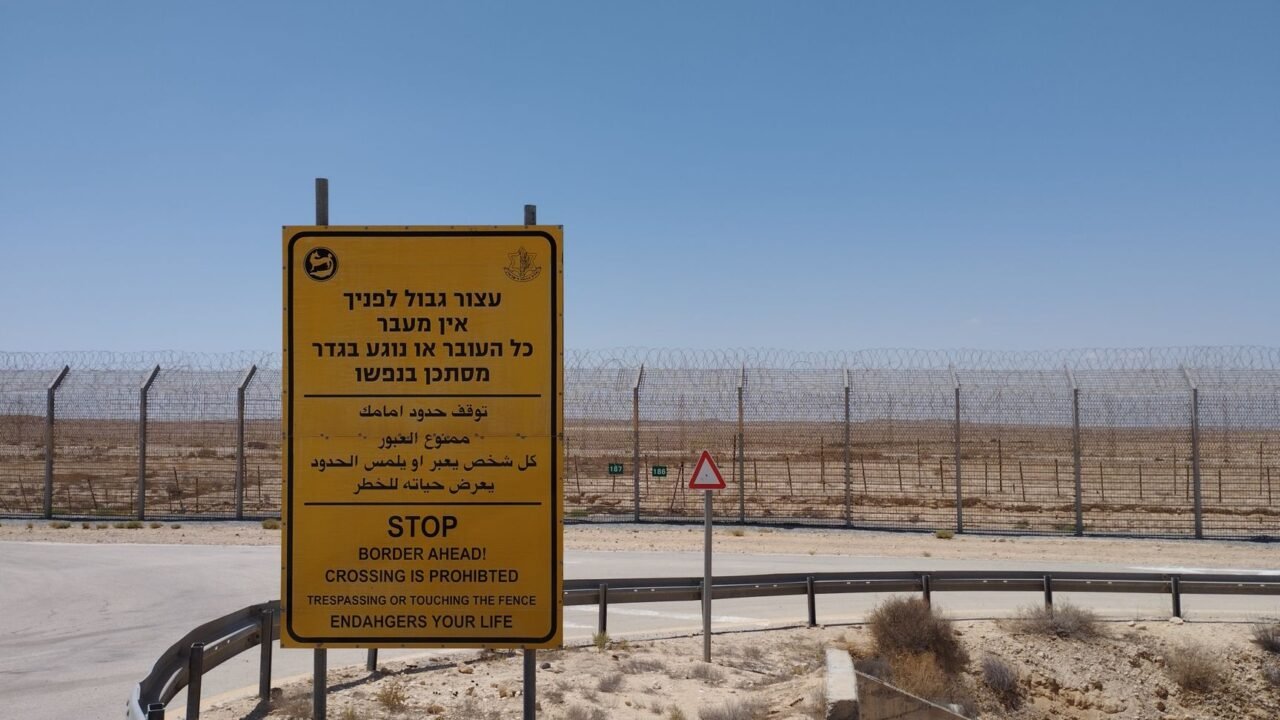
A significant influx of young men has been observed pouring into the Spanish enclave of Ceuta, driven by aspirations of finding work. The surge in arrivals has prompted renewed attention to the complex migration dynamics at Europe‘s southern border.
Information reaching Tahir Rihat suggests that many of these migrants were reportedly influenced by social media messages circulating claims of an open Spanish border. The precise origin and authenticity of these messages, however, remain unclear, adding a layer of uncertainty to the motivations behind the recent crossings.
The situation in Ceuta, a Spanish city located on the northern coast of Africa, is often volatile, serving as a key entry point for migrants seeking to reach mainland Europe. The latest wave of arrivals underscores the persistent challenges faced by both migrants and authorities in managing irregular migration flows. The young men, predominantly from sub-Saharan African countries, have undertaken perilous journeys with the hope of economic opportunities that they believe await them across the Mediterranean.
Details regarding the specific social media platforms used and the content of the messages are still being investigated. However, the impact of such unverified information on migration decisions is a recurring concern for international organizations and border security agencies. The allure of perceived open borders, even if based on misinformation, can significantly alter migration patterns and lead to increased pressure on border towns like Ceuta.
The enclave’s geographical proximity to Morocco makes it a focal point for migration attempts. Migrants often attempt to scale the high fences that separate Ceuta from Moroccan territory or arrive by sea in small, often overcrowded, boats. The recent arrivals appear to have utilized various methods to breach the border, overwhelming the capacity of local authorities to manage the situation effectively.
The economic conditions in the migrants’ home countries, coupled with a lack of viable opportunities, are primary drivers of this migration. Social media, while sometimes a source of misinformation, also serves as a powerful tool for communication and information dissemination among migrant communities, shaping their expectations and routes. The narratives spread online can create a sense of urgency and opportunity, encouraging individuals to embark on dangerous journeys.
Spanish authorities have been working to process the new arrivals, providing them with basic necessities and assessing their asylum claims. However, the sheer volume of people arriving presents a significant logistical and humanitarian challenge. International organizations are monitoring the situation closely, calling for humane treatment and efficient processing of asylum seekers.
The role of social media in facilitating and influencing migration is a growing area of concern. While it can provide valuable information and support networks, it can also be a conduit for false promises and dangerous misinformation. The unverified claims of an open border in Ceuta highlight the need for better communication strategies and fact-checking initiatives to counter misleading narratives that can put vulnerable individuals at risk.
The long-term implications of such migration surges extend beyond immediate border management. They raise questions about international cooperation, addressing the root causes of migration in countries of origin, and the integration of migrants into host societies. The situation in Ceuta is a microcosm of broader global migration trends, characterized by complex push and pull factors, the influence of digital communication, and the ongoing search for safety and economic security.
As the situation develops, further details are expected to emerge regarding the specific origins of the migrants, the content of the social media messages, and the response from both Spanish and Moroccan authorities. The humanitarian aspect of the crisis, ensuring the well-being of the young men arriving in Ceuta, remains a paramount concern for all stakeholders involved.

Tahir Rihat (also known as Tahir Bilal) is an independent journalist, activist, and digital media professional from the Chenab Valley of Jammu and Kashmir, India. He is best known for his work as the Online Editor at The Chenab Times.



Leave a Reply