
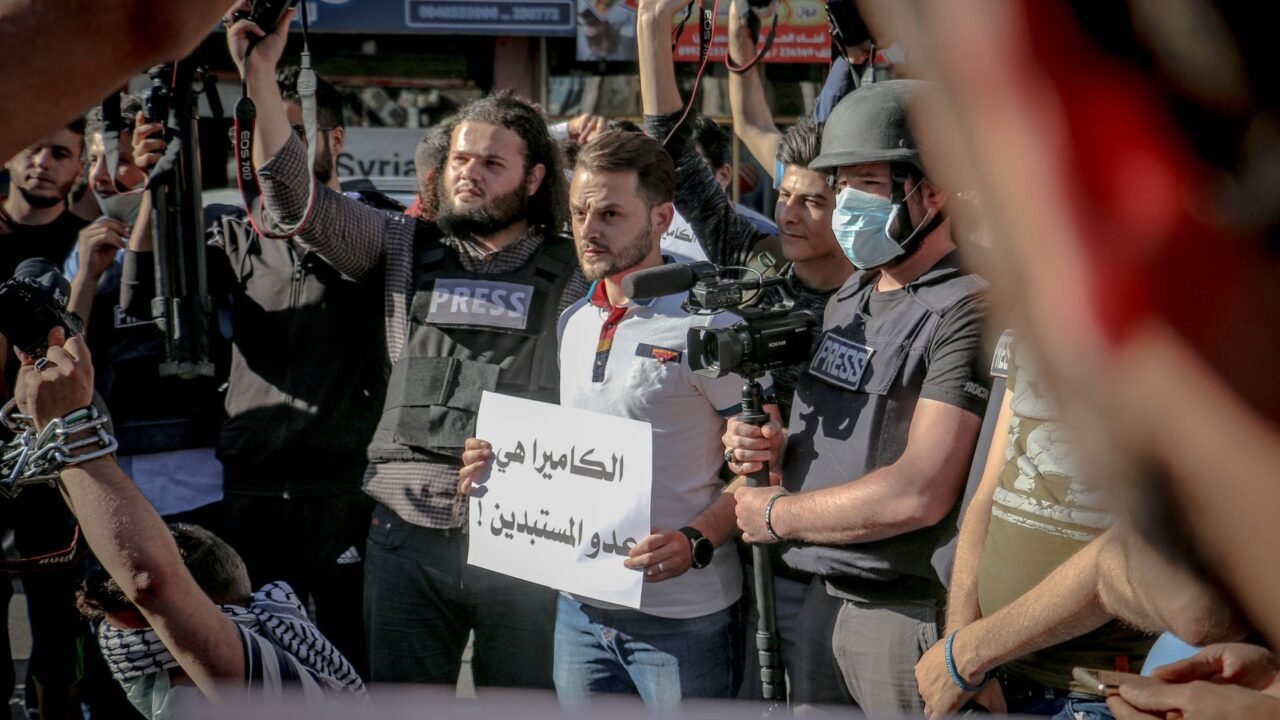
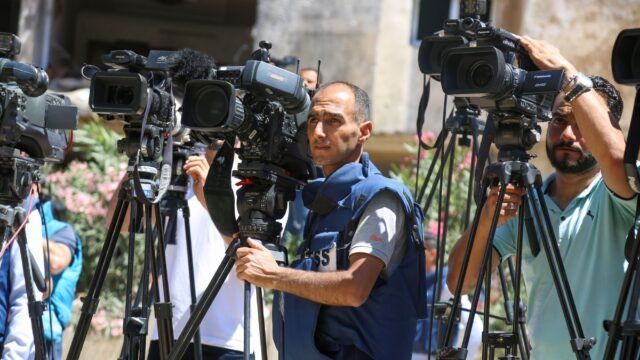
Pakistan has initiated a significant new crackdown on journalists, imposing restrictions on both local and foreign media outlets. This intensified pressure comes as a protest movement in Kashmir challenges the government’s authority in the disputed region. Independent reporting on the ground has become increasingly difficult, with authorities reportedly limiting access and scrutinizing content.
Sources indicate to Tahir Rihat that the government’s move is aimed at controlling the narrative surrounding the escalating situation in Kashmir. The restrictions are designed to prevent the dissemination of information that could be perceived as critical of Pakistan’s policies or that might amplify the voices of dissent within the region. This latest wave of action follows a pattern of increased media control observed in Pakistan in recent years, particularly concerning sensitive political and security issues.
The crackdown involves a multi-pronged approach. Journalists attempting to cover events in Kashmir are facing heightened scrutiny, with reports of arbitrary detentions and interrogations. Foreign correspondents have also found their access to the region severely curtailed, making it challenging to gather firsthand accounts. Information reaching Tahir Rihat suggests that media organizations are being pressured to self-censor, with threats of regulatory action or loss of operating licenses looming for those who deviate from the government’s preferred line.
This development has raised concerns among international press freedom organizations, which have long voiced worries about the shrinking space for independent journalism in Pakistan. The Pakistan Federal Union of Journalists (PFUJ) has condemned the new measures, stating that they undermine democratic principles and the public’s right to information. The union has called for an immediate cessation of these restrictive practices and for the government to uphold constitutional guarantees of freedom of expression.
The protest movement in Kashmir, which has been gaining momentum, is a key factor behind the government’s heightened sensitivity. The movement, characterized by widespread public demonstrations and civil disobedience, has put Pakistan’s administration on the defensive. By curbing independent reporting, Islamabad appears to be attempting to prevent the international community from gaining a comprehensive understanding of the grievances and demands of the Kashmiri population.
The restrictions extend beyond Kashmir, with journalists across Pakistan reporting increased pressure to avoid critical reporting on national security and political matters. This has created an environment of fear and self-censorship within the Pakistani media landscape. The government’s actions are seen by many as an attempt to silence dissenting voices and maintain a tight grip on public discourse, particularly in the lead-up to anticipated political events.
The impact of these restrictions is significant, not only for the journalists themselves but also for the global understanding of the complex situation in Kashmir. Without independent reporting, it becomes harder for international bodies and the wider public to assess the human rights situation and the political dynamics at play. The Pakistani government has consistently maintained that its actions are necessary for national security and to counter what it describes as foreign-sponsored disinformation campaigns. However, critics argue that these justifications are being used as a pretext to suppress legitimate journalism and stifle political opposition.
The current situation represents a critical juncture for press freedom in Pakistan. The ongoing crackdown, coupled with existing challenges such as economic pressures on media houses and legal frameworks that can be used to target journalists, paints a grim picture for independent reporting. The international community is watching closely to see how these developments unfold and whether Pakistan will reverse its course towards greater media censorship.
The government’s strategy appears to be one of isolating the narrative, ensuring that only state-approved information reaches the public and the international stage. This is particularly concerning given the long-standing and sensitive nature of the Kashmir dispute. The ability of journalists to report freely is crucial for fostering transparency and accountability, especially in regions experiencing significant political and social upheaval.
The implications of this intensified crackdown are far-reaching. It not only affects the immediate reporting on Kashmir but also has a chilling effect on broader political discourse within Pakistan. The government’s actions are likely to be met with continued resistance from journalists’ unions and civil society groups who are committed to defending democratic freedoms. The coming weeks and months will be crucial in determining the future of independent media in Pakistan and its ability to cover critical issues without fear of reprisal.
The Pakistani government’s approach to media freedom has been a subject of international scrutiny for some time. However, the current escalation of restrictions, directly linked to the challenges posed by the Kashmir protest movement, marks a significant intensification of these efforts. The effectiveness of these measures in silencing dissent and controlling the narrative remains to be seen, but the immediate impact is a palpable sense of unease and increased caution among journalists operating in the country.

Tahir Rihat (also known as Tahir Bilal) is an independent journalist, activist, and digital media professional from the Chenab Valley of Jammu and Kashmir, India. He is best known for his work as the Online Editor at The Chenab Times.


Leave a Reply