
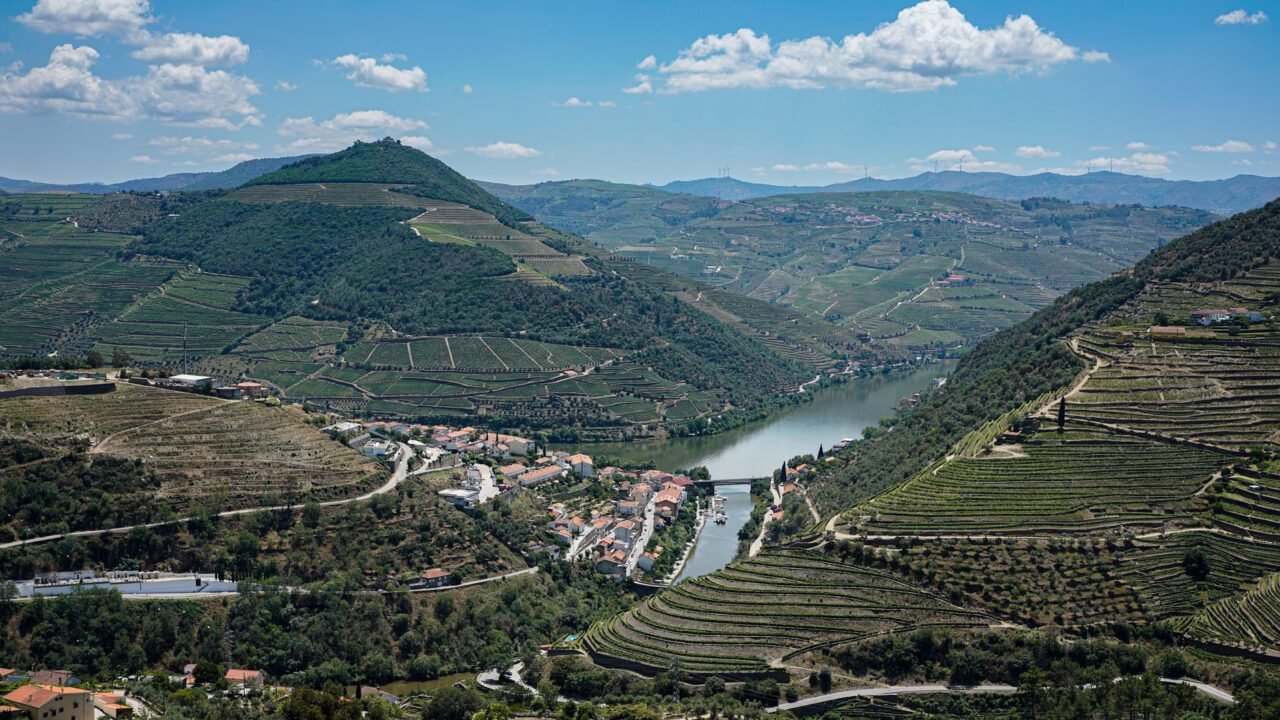
A journey through Portugal’s remote Côa Valley has brought to light a remarkable intersection of prehistoric art, ancient woodlands, and ambitious rewilding initiatives. The region, situated in the northeastern part of the Iberian Peninsula, is now accessible via a grand hiking route, offering visitors an immersive experience in a landscape shaped by millennia of natural and human history. The trek traverses an area characterized by its wild beauty, where efforts are underway to restore ecosystems and reintroduce native species, creating a unique destination for nature enthusiasts and history buffs alike.
Information reaching Tahir Rihat suggests that the Côa Valley’s appeal lies not only in its rugged terrain but also in the significant archaeological discoveries it harbors. The valley is renowned for its Paleolithic rock art, etched into the granite outcrops by early humans thousands of years ago. These open-air galleries, some of the most important of their kind in the world, provide a tangible link to our distant ancestors. The hiking route is designed to guide explorers past these ancient sites, allowing for contemplation of the artistic expressions and the lives of the people who created them. The sheer scale and preservation of this prehistoric artwork underscore the valley’s profound cultural and historical importance.
The rewilding efforts in the Côa Valley are a crucial component of its modern narrative. This ambitious project aims to reverse the effects of historical land use, such as intensive agriculture and deforestation, and to allow natural processes to reclaim the landscape. As part of this initiative, native flora is being reintroduced, and efforts are being made to support the return of wild fauna. The presence of ancient oak trees, some of which have stood for centuries, serves as a testament to the enduring resilience of the natural environment and the potential for its recovery. The hiking route weaves through these evolving landscapes, offering glimpses of the ongoing transformation and the return of a more natural state.
The establishment of the grand hiking route is intended to promote sustainable tourism in the region, drawing attention to its unique natural and cultural heritage while also supporting local economies. The trails are designed to be challenging yet accessible, catering to a range of hiking abilities. Along the way, hikers can encounter diverse wildlife, from birds of prey soaring overhead to smaller mammals inhabiting the undergrowth. The valley’s relatively low population density and its remote location contribute to a sense of tranquility and immersion in nature, a stark contrast to the more populated tourist destinations.
The prehistoric art found in the Côa Valley is a significant draw, with numerous engravings depicting animals, human figures, and abstract symbols. These artworks, dating back as far as 25,000 years, were discovered in the late 20th century, leading to extensive research and conservation efforts. The open-air nature of these sites presents unique preservation challenges, prompting innovative approaches to protect them from environmental degradation and human impact. The hiking route thoughtfully incorporates access to key viewing points, allowing visitors to appreciate the artistry and the historical context of these ancient carvings.
The rewilding aspect of the Côa Valley project is gaining international recognition. By allowing natural processes to take over, the aim is to create a more biodiverse and resilient ecosystem. This includes the restoration of habitats for species that have been displaced or are at risk. The presence of wolves, for instance, is seen as an indicator of a healthy, functioning ecosystem, and their reintroduction or natural return is a key goal for many rewilding projects. The Côa Valley’s commitment to this ecological restoration aligns with a growing global movement towards conservation and the protection of natural landscapes.
The experience of hiking in the Côa Valley is described as one of profound connection with both the ancient past and the living present. The silence of the wilderness, punctuated by the sounds of nature, allows for reflection on the enduring legacy of human creativity and the vital importance of ecological preservation. The combination of prehistoric art, ancient woodlands, and active rewilding efforts creates a compelling narrative for visitors, offering a unique perspective on the relationship between humanity and the natural world. The grand hiking route serves as a conduit for this exploration, inviting individuals to discover the wild east of Portugal in a deeply engaging manner.
The geological formations of the Côa Valley also play a significant role in its character. The rugged landscape, carved by the Côa River, provides the canvas for both the prehistoric art and the rewilding efforts. The granite cliffs and outcrops offer shelter and vantage points, influencing both human settlement patterns in antiquity and the habitats of current wildlife. The hiking trails often follow the contours of the land, providing spectacular views of the river and the surrounding hills, further enhancing the immersive experience of the valley’s natural beauty.
Conservationists involved in the rewilding of the Côa Valley emphasize the long-term vision of the project. It is not merely about restoring a landscape to a past state but about fostering a dynamic and self-sustaining ecosystem that can adapt to future environmental changes. This involves careful monitoring of species populations, habitat conditions, and the overall health of the ecosystem. The success of such initiatives often depends on a multidisciplinary approach, integrating scientific research, community engagement, and sustainable land management practices.
The prehistoric art sites within the Côa Valley are a UNESCO World Heritage site, a designation that underscores their global significance and the need for their protection. The open-air nature of these sites means that they are particularly vulnerable to weathering, erosion, and the impact of visitors. Management strategies focus on balancing access for educational and tourism purposes with the imperative of long-term preservation. The hiking route is designed with this balance in mind, guiding visitors responsibly through these sensitive areas.
The reintroduction of large herbivores and carnivores, such as wolves, is often a cornerstone of large-scale rewilding projects. These species play a critical role in shaping the structure and dynamics of ecosystems. Their presence can influence vegetation patterns, create habitat diversity, and contribute to the overall health and resilience of the environment. The Côa Valley’s commitment to rewilding suggests an aspiration to recreate a more complete and functional natural system, where these apex predators can once again thrive.
The experience of hiking in the Côa Valley offers a unique opportunity to witness the interplay between human history and natural processes. The ancient art serves as a reminder of humanity’s long-standing connection to this land, while the rewilding efforts represent a forward-looking commitment to ecological stewardship. The grand hiking route provides a framework for this exploration, allowing visitors to engage with the valley’s multifaceted story in a profound and memorable way. The wild east of Portugal is thus emerging as a destination that offers both intellectual stimulation and a deep connection with the natural world.

Tahir Rihat (also known as Tahir Bilal) is an independent journalist, activist, and digital media professional from the Chenab Valley of Jammu and Kashmir, India. He is best known for his work as the Online Editor at The Chenab Times.





Leave a Reply