
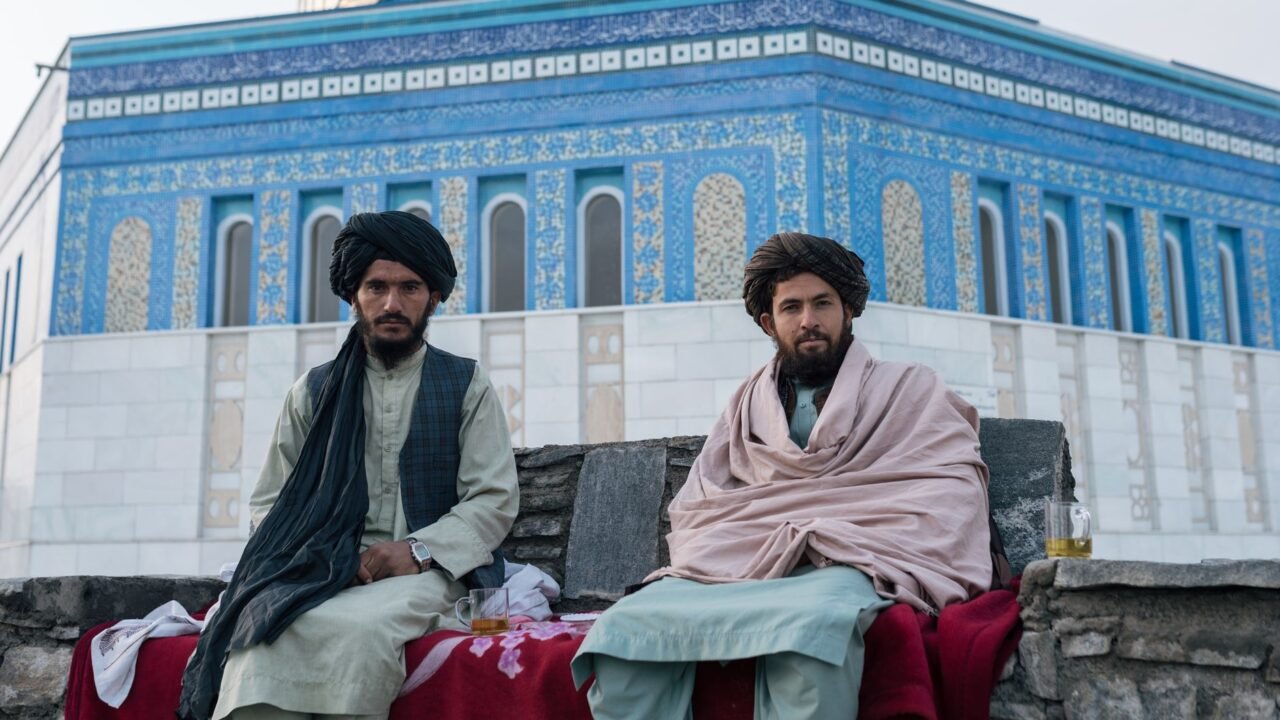
Five years after reclaiming control of Afghanistan, the Taliban administration is grappling with a deepening crisis, marked by significant domestic challenges and increasing international isolation. The hard-line group, which seized power in August 2021 amid the withdrawal of U.S. and allied forces, has struggled to establish a stable and recognized government, facing widespread economic hardship, humanitarian concerns, and a lack of diplomatic engagement from the global community.
Information reaching Tahir Rihat suggests that the economic situation in Afghanistan remains dire, with widespread poverty and unemployment. The country’s economy, heavily reliant on foreign aid, has been severely impacted by sanctions and the freezing of Afghan central bank assets by international bodies. This has led to a scarcity of essential goods, inflation, and a decline in living standards for a significant portion of the population. The Taliban government has made efforts to boost domestic revenue and attract investment, but these initiatives have been hampered by the lack of international recognition and the prevailing instability.
The international community has largely withheld formal recognition of the Taliban government, citing concerns over human rights, particularly the rights of women and girls, and the lack of an inclusive political system. While some countries maintain limited engagement with the Taliban on humanitarian and security matters, formal diplomatic ties and substantial economic assistance remain elusive. This isolation exacerbates the country’s economic woes and limits its ability to address pressing social issues. The United Nations and various non-governmental organizations continue to provide humanitarian aid, but the scale of the need often outstrips the resources available.
Domestically, the Taliban faces internal challenges in governance and administration. The group, which has a history of internal divisions and a lack of extensive experience in governing a complex nation, is reportedly struggling to implement effective policies and maintain order across the country. Reports indicate that the administration faces difficulties in providing basic services, such as healthcare, education, and infrastructure development. The absence of a unified and professional bureaucracy further complicates governance efforts.
Security remains a concern, although the Taliban has largely suppressed the widespread conflict that characterized the previous two decades. However, the emergence of groups like the Islamic State Khorasan Province (ISKP) continues to pose a threat, carrying out attacks that undermine the Taliban’s claims of stability. The Taliban’s approach to counter-terrorism and its relationship with various militant groups operating in the region are also subjects of international scrutiny.
The Taliban’s restrictive social policies, particularly concerning women’s education and employment, have drawn widespread condemnation from the international community and human rights organizations. These policies have led to significant social unrest and have been a major impediment to diplomatic engagement and the resumption of international aid. The global community continues to call for the Taliban to uphold human rights and establish a more inclusive society.
The anniversary of the Taliban’s return to power serves as a stark reminder of the ongoing challenges facing Afghanistan. The country remains at a critical juncture, with its future trajectory heavily dependent on the Taliban’s ability to address its domestic crises, foster economic recovery, and engage constructively with the international community. The path forward is fraught with difficulties, and the impact of the Taliban’s rule on the lives of ordinary Afghans continues to be a matter of grave concern.

Tahir Rihat (also known as Tahir Bilal) is an independent journalist, activist, and digital media professional from the Chenab Valley of Jammu and Kashmir, India. He is best known for his work as the Online Editor at The Chenab Times.


Leave a Reply