
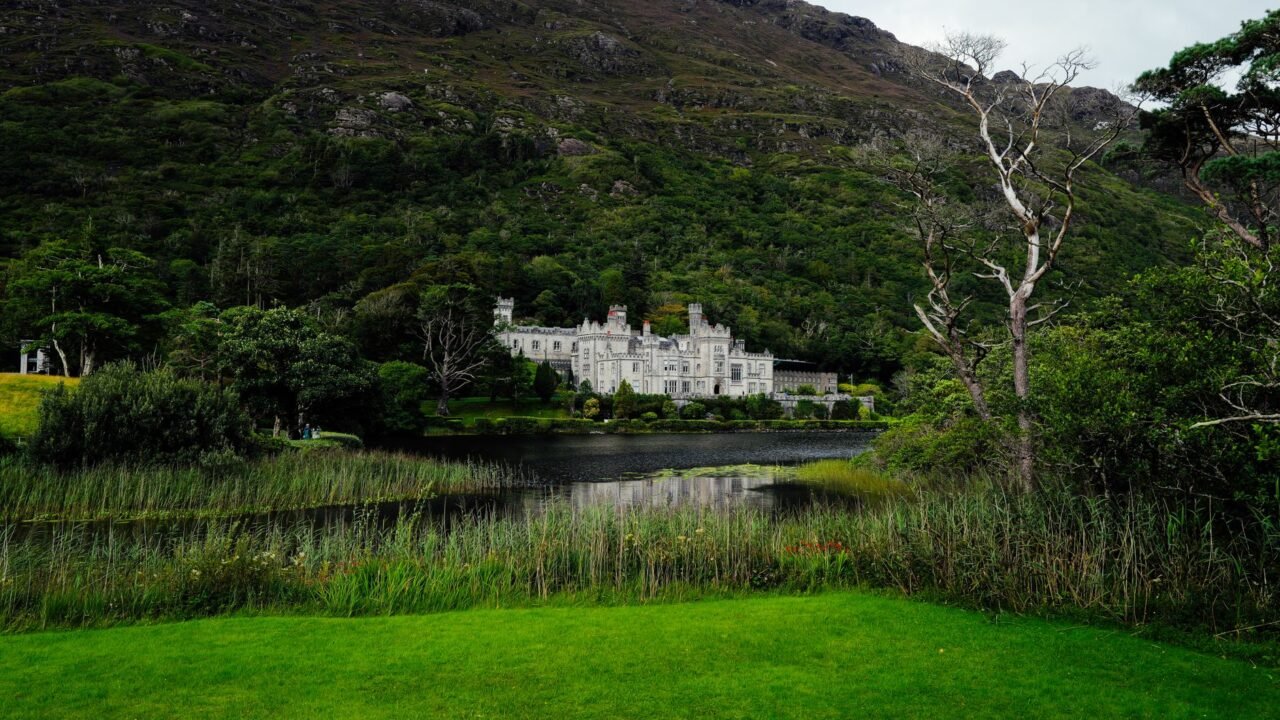
Mark Zuckerberg, the chief executive of Meta Platforms, has expanded his considerable landholdings with the acquisition of a nearly 200-year-old estate in Ireland. The purchase adds a significant historical property to the tech mogul’s portfolio, further solidifying his presence as a prominent landowner.
Information reaching Tahir Rihat suggests that the estate, which has stood for close to two centuries, represents a notable addition to Zuckerberg’s existing real estate investments. While details regarding the exact financial terms of the transaction have not been publicly disclosed, the acquisition underscores a continued trend of high-profile individuals investing in substantial and historically significant properties.
Archival information pertaining to the estate indicates that its layout is designed with a particular emphasis on the flow between its various sections. According to historical records, it can take “a brisk walk of 4½ minutes to reach the dining room from the kitchen.” This detail, while seemingly minor, offers a glimpse into the scale and design of the property, hinting at its former grandeur and the lifestyle it was built to accommodate.
The acquisition of such an estate by a figure like Zuckerberg, who is already known for his extensive property investments in locations such as Hawaii and California, draws attention to the motivations behind these large-scale land purchases. These acquisitions often extend beyond mere residential needs, encompassing preservation, investment, and the creation of private sanctuaries. The historical significance of the Irish property suggests an interest in preserving heritage alongside personal acquisition.
The estate’s age and architectural style likely contributed to its appeal. Properties of this vintage often feature unique craftsmanship and historical narratives that are increasingly valued by collectors and investors. The proximity of the kitchen to the dining room, as noted in the archival information, speaks to the functional considerations of the estate’s original design, reflecting the domestic arrangements of a bygone era. Such details provide a tangible connection to the past, adding layers of historical context to the property.
Zuckerberg’s ventures into land acquisition have previously garnered significant media attention. His purchase of large tracts of land in Kauai, Hawaii, for instance, has been a subject of ongoing discussion, particularly concerning land use and community impact. The addition of an Irish castle, or more accurately an estate of significant age and presumed stature, continues this pattern of acquiring substantial real estate assets. The specific nature of the Irish property, with its historical roots, suggests a potential interest in heritage preservation or a desire to own a piece of historical architecture.
The Irish property market, particularly for historical estates, can attract international buyers seeking both investment opportunities and unique lifestyle assets. The value of such properties is often tied not only to their physical attributes but also to their historical significance and the stories they hold. The mention of the time it takes to walk from the kitchen to the dining room serves as an anecdotal illustration of the estate’s scale, suggesting a property that was designed for a particular kind of living, perhaps one involving formal entertaining and a substantial household staff.
The acquisition by Zuckerberg places him among a cohort of global figures who are investing in historical landmarks and extensive landholdings. These purchases can have implications for local economies and land management practices. As a prominent figure in the technology sector, his investment decisions often reflect broader trends in wealth management and personal asset diversification. The historical estate in Ireland represents a tangible asset that combines potential for appreciation with the prestige of owning a property with a long and storied past.
The details available about the estate, such as the walking time between rooms, offer a human element to the transaction, grounding the acquisition in practical, albeit historical, terms. It paints a picture of a substantial residence where movement between key areas was a considered aspect of its design. This specific detail, highlighted from archival information, serves to illustrate the scale and perhaps the former operational dynamics of the estate, suggesting a property designed for a significant domestic setup.
The ongoing trend of high-net-worth individuals acquiring historical properties underscores a global interest in preserving architectural heritage while also securing valuable assets. For Mark Zuckerberg, this latest acquisition in Ireland continues a pattern of strategic investment in real estate that spans diverse geographical locations and property types. The historical estate, with its nearly two-century legacy, adds a new dimension to his collection of significant landholdings.

Tahir Rihat (also known as Tahir Bilal) is an independent journalist, activist, and digital media professional from the Chenab Valley of Jammu and Kashmir, India. He is best known for his work as the Online Editor at The Chenab Times.





Leave a Reply