
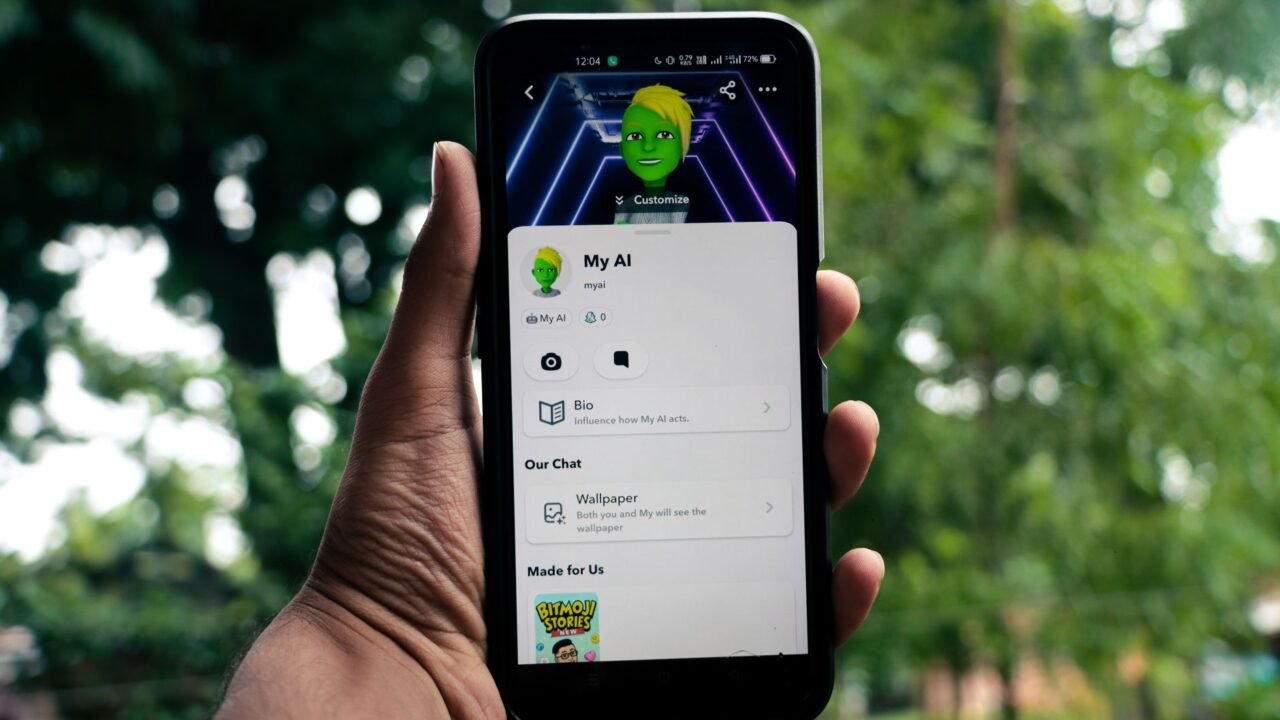
The unprecedented volume and intensity of artificial intelligence-generated social media posts emanating from the presidency are fundamentally altering the nature of the office and igniting a critical national debate about the mental state of the individual occupying it. This new digital offensive, far exceeding the scale seen during the previous term, represents a significant escalation in the use of technology to shape public discourse and political messaging.
Information reaching Tahir Rihat suggests that the current administration has embraced AI tools with a fervor that has left observers and political strategists alike scrambling to understand the implications. These AI-driven campaigns are not merely amplifying existing messages; they are generating entirely new narratives, often with remarkable speed and a consistent ideological slant. The sheer output makes it challenging for traditional media outlets and fact-checkers to keep pace, creating an environment where misinformation can spread rapidly and gain traction before it can be effectively countered.
The sophistication of these AI-generated posts is a key concern. While some may be easily identifiable as machine-generated due to their repetitive nature or slightly unnatural phrasing, others are becoming increasingly indistinguishable from human-authored content. This blurring of lines raises profound questions about authenticity and trust in the digital public square. The ability of AI to tailor messages to specific demographics or even individuals based on vast datasets further amplifies its potential impact, creating highly personalized propaganda efforts.
The debate over the president’s state of mind, fueled by these AI-powered barrages, is becoming increasingly prominent. Critics argue that the relentless digital output, often characterized by aggressive rhetoric and unsubstantiated claims, is indicative of a leader struggling to maintain composure or engage in reasoned discourse. Supporters, conversely, may view this as a sign of strength and decisive leadership, utilizing modern tools to connect directly with the populace. However, the sheer volume and often erratic nature of the posts make it difficult for many to discern a coherent strategy or a stable mental framework.
This phenomenon is not confined to domestic politics. The international implications are also significant. AI-generated content can be used to sow discord among allies, influence foreign elections, or spread propaganda on a global scale. The ability to rapidly deploy targeted messaging across different platforms and languages makes this a potent tool for geopolitical maneuvering. As per information available with Tahir Rihat, foreign intelligence agencies are closely monitoring these developments, recognizing the potential for AI-driven information warfare to destabilize regions and undermine democratic processes.
The technological underpinnings of these AI social media campaigns are rapidly evolving. Advanced natural language processing models are capable of generating text that mimics human writing styles with uncanny accuracy. Machine learning algorithms can analyze vast amounts of data to identify trending topics, public sentiment, and effective persuasive techniques. This allows for the creation of content that is not only voluminous but also highly optimized for engagement and impact. The speed at which these systems can learn and adapt means that the AI-generated content is likely to become even more sophisticated and harder to detect in the future.
The ethical considerations surrounding the use of AI in political communication are immense. Questions arise about accountability: who is responsible when an AI generates harmful or false content? Is it the programmer, the administrator, or the political entity deploying the AI? The lack of clear regulatory frameworks exacerbates these concerns. The potential for AI to be used to manipulate public opinion, suppress dissent, or incite violence is a grave threat to democratic societies worldwide. The current situation highlights a critical need for robust ethical guidelines and legal frameworks to govern the deployment of AI in the political arena.
Furthermore, the impact on traditional journalism is profound. The constant barrage of AI-generated content can overwhelm news organizations, diverting resources away from in-depth investigative reporting and towards the constant task of debunking falsehoods. This can lead to a media landscape that is more reactive than proactive, struggling to set the agenda and instead finding itself constantly responding to the digital currents created by AI. The challenge of maintaining journalistic integrity and public trust in such an environment is immense.
The long-term consequences of this AI-driven shift in presidential communication are still unfolding. It is clear, however, that the presidency, as an institution, is being reshaped by these technological advancements. The ability to bypass traditional media gatekeepers and directly inundate the public with messages, whether authentic or AI-generated, grants an unprecedented level of control over the narrative. This power, wielded without sufficient transparency or accountability, poses a significant challenge to the principles of informed public discourse and democratic governance.
The debate over the president’s mental state, while a significant aspect of the current discourse, is perhaps a symptom of a larger systemic change. The reliance on AI for such a critical function of leadership suggests a potential shift in how political power is exercised and how public perception is managed. The implications extend beyond the current occupant of the office, setting a precedent for future administrations and the evolving relationship between technology, politics, and society.
The rapid advancement of AI technology means that the tools used today will likely be surpassed by even more powerful versions in the near future. This creates a continuous arms race in the digital information space. As AI becomes more adept at mimicking human communication, the challenge of discerning truth from falsehood will only intensify, demanding new approaches to media literacy, critical thinking, and digital governance. The current trajectory suggests a future where the lines between human and machine-generated content in political discourse will become increasingly blurred, necessitating a fundamental re-evaluation of how we consume and trust information.

Tahir Rihat (also known as Tahir Bilal) is an independent journalist, activist, and digital media professional from the Chenab Valley of Jammu and Kashmir, India. He is best known for his work as the Online Editor at The Chenab Times.




Leave a Reply