
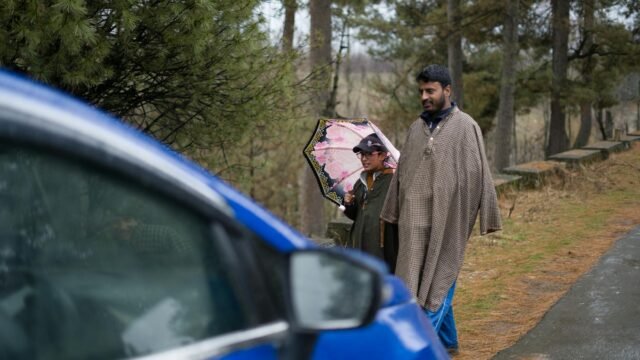
The Indian Army has successfully conducted 220 free cataract surgeries for residents above the age of 50 residing in remote villages situated along the Line of Control (LoC) in north Kashmir. This significant medical outreach initiative, aimed at improving the quality of life for those in challenging terrain, was executed under the Army’s broader community engagement programs.
Officials indicated that the surgeries were performed in geographically isolated areas including Tangdhar, Keran, Machhal, and Gurez. A senior Army officer elaborated on the process, stating that patients from these far-flung settlements were meticulously identified and brought together to receive specialized ophthalmic treatment. The Army provided comprehensive support, encompassing transportation logistics, the establishment of necessary medical infrastructure, and diligent post-operative care to ensure the successful recovery of all patients. Information reaching Tahir Rihat suggests that the Army developed an end-to-end support system to deliver advanced eye care services to communities living in some of the most inaccessible regions bordering the LoC.
Army officials highlighted the critical role their extensive presence and established rapport with local populations played in bridging the gap between medical needs and accessible solutions, particularly for communities separated by formidable mountain ranges, significant distances, and limited access to specialized healthcare facilities. The program benefited from the expertise of a renowned ophthalmic specialist, who had recently received professional recognition in the United Kingdom for significant contributions to eye care. This specialist, along with a dedicated team of experts, performed the surgeries and provided comprehensive follow-up treatment to the patients.
The Army’s proactive approach was emphasized by officials who stated, “The Army did not wait for the mountains to become accessible. It took healthcare across the mountains. It did not wait for people to reach specialised care. It took specialised care to the people.” This sentiment underscores the commitment to bringing essential medical services directly to those who might otherwise be unable to access them. The initiative, referred to as ‘Operation Drishti’, has been lauded by Jammu and Kashmir Lieutenant Governor Manoj Sinha. In a statement shared on X, Sinha commended the Armed Forces Medical Services (AFMS) for their instrumental role in restoring the sight of 220 individuals.
Lieutenant Governor Sinha described the initiative as a remarkable achievement and extended his praise to the surgeons and medical personnel who were integral to the success of this large-scale eye surgical camp. He further noted that the dedication displayed by the medical team truly embodies the spirit of ‘Operation Sadbhavana’, a broader Army initiative focused on fostering goodwill and providing essential services to civilian populations. The Lieutenant Governor specifically pointed out that the provision of advanced eye procedures, including phacoemulsification, retinal surgery, and glaucoma surgery, directly in remote border villages ensured that high-quality healthcare reached even the most isolated communities, thereby addressing a critical healthcare deficit.
The successful execution of ‘Operation Drishti’ signifies a crucial step in enhancing healthcare accessibility in the challenging terrains of north Kashmir. By deploying specialized medical teams and resources to remote areas, the Army has not only addressed immediate health concerns but also strengthened its connection with the local populace. The initiative demonstrates a commitment to leveraging military resources for humanitarian purposes, particularly in regions that face significant logistical hurdles in accessing advanced medical care. The identification and treatment of cataract cases are vital, as untreated cataracts can lead to significant vision impairment and blindness, severely impacting an individual’s ability to work and engage in daily activities. The provision of free surgeries removes a major financial barrier that often prevents individuals in underserved communities from seeking necessary treatment.
The involvement of a UK-recognized ophthalmic specialist further elevates the standard of care provided. This collaboration highlights the potential for international expertise to contribute to healthcare initiatives in remote regions, bringing cutting-edge techniques and knowledge to bear on local health challenges. The comprehensive approach, from patient identification and transportation to surgical intervention and post-operative care, ensures a holistic treatment pathway. This model of care delivery is particularly effective in areas where infrastructure is limited and travel to urban medical centers is difficult and costly. The Army’s logistical capabilities and deep understanding of the local geography were instrumental in overcoming these obstacles.
The success of ‘Operation Drishti’ is expected to pave the way for similar initiatives in other remote areas of Jammu and Kashmir and potentially across the country. By demonstrating the feasibility and impact of bringing specialized medical services to underserved populations, the Army’s efforts serve as a model for future public health interventions. The long-term implications include improved health outcomes, reduced burden of preventable blindness, and enhanced overall well-being for the residents of these border villages. The initiative also reinforces the Army’s role as a pillar of support for civilian communities, extending its mandate beyond security to encompass vital social services.
The Lieutenant Governor’s endorsement underscores the strategic importance of such medical missions, aligning them with broader government objectives of inclusive development and healthcare for all. The focus on advanced procedures like phacoemulsification indicates a commitment to providing modern, efficient surgical techniques that offer faster recovery times and better visual outcomes for patients. The inclusion of retinal and glaucoma surgeries suggests a comprehensive approach to eye care, addressing a range of serious conditions that can lead to vision loss if left untreated. This multi-faceted approach ensures that a wider spectrum of eye health needs within these communities is met, thereby maximizing the positive impact of the outreach program.
The logistical challenges of operating in areas like Tangdhar, Keran, Machhal, and Gurez are substantial, given their mountainous terrain and limited connectivity. The Army’s ability to mobilize resources, including specialized medical equipment and personnel, to these locations is a testament to its operational readiness and commitment to humanitarian service. The creation of an end-to-end support system, from initial screening to post-operative follow-up, is crucial for ensuring the sustainability and effectiveness of such medical interventions. This integrated approach minimizes the risk of complications and maximizes the chances of successful visual restoration for the beneficiaries.

Tahir Rihat (also known as Tahir Bilal) is an independent journalist, activist, and digital media professional from the Chenab Valley of Jammu and Kashmir, India. He is best known for his work as the Online Editor at The Chenab Times.



Leave a Reply