
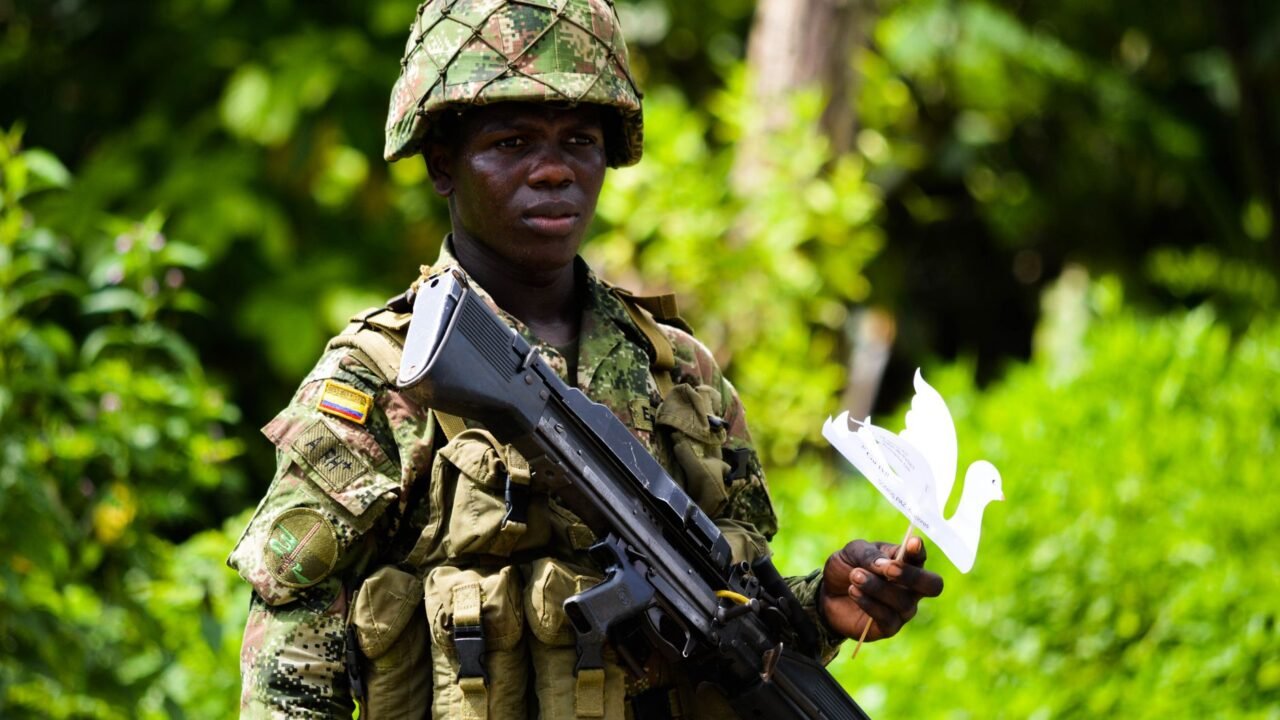
Colombian President Abelardo De La Espriella made a public appearance in Santa Marta, a prominent tourist destination, while visibly carrying a firearm. The visit coincided with a significant security situation in the city, which had been effectively shut down by an armed criminal group. This action by the president has drawn attention amid heightened tensions in the region.
The decision by President De La Espriella to wear a gun during his visit to Santa Marta occurred in the wake of a security lockdown imposed by a criminal organization. The shutdown was reportedly a response to actions taken by state forces, which resulted in the death of a group leader. The presence of the president, armed, in a city under such duress, underscores the volatile security environment.
Information reaching Tahir Rihat suggests that the armed group’s control over Santa Marta led to widespread disruption, impacting daily life and potentially tourism, a key economic driver for the city. The exact nature of the armed group and its leadership structure remains a critical point of concern for national security agencies. The killing of the group leader by state forces appears to have been the catalyst for the subsequent lockdown, escalating the conflict between the authorities and organized crime.
The president’s personal display of a weapon in a public setting, particularly in an area experiencing a security crisis, is a symbolic gesture that has been interpreted in various ways. Some observers view it as a demonstration of strength and resolve by the new administration to confront criminal elements. Others have raised concerns about the message it sends regarding the state of security and the potential for further escalation. The specific type of firearm and whether it was carried openly or concealed has become a subject of discussion.
Santa Marta, known for its beautiful beaches and historical significance, is a vital hub for Colombia’s tourism industry. The city’s shutdown by an armed group represents a direct challenge to the government’s authority and its ability to maintain order and protect its citizens and economic interests. The economic implications of such a lockdown, even if temporary, can be substantial, affecting businesses, employment, and the overall perception of safety for potential visitors.
The Colombian government, under President De La Espriella, has been grappling with persistent security challenges, including the presence of various armed groups operating in different regions of the country. These groups are often involved in illicit activities such as drug trafficking, illegal mining, and extortion. The administration’s strategy to address these issues involves a combination of law enforcement operations, intelligence gathering, and efforts to address the root causes of crime and violence, such as poverty and lack of opportunity.
The incident in Santa Marta highlights the complex and often dangerous landscape that President De La Espriella’s government is navigating. The effectiveness of state forces in combating these groups, as well as the government’s broader approach to peace and security, will be closely scrutinized both domestically and internationally. The response to the lockdown and the president’s visible armament are indicative of the high stakes involved in asserting state control in areas challenged by criminal organizations.
Further details regarding the specific armed group responsible for the Santa Marta lockdown and the identity of the deceased leader are expected to emerge as security forces continue their operations. The government’s next steps in restoring full control and ensuring the long-term security of the region will be critical in shaping the narrative around President De La Espriella’s administration and its commitment to tackling Colombia’s enduring security issues.

Tahir Rihat (also known as Tahir Bilal) is an independent journalist, activist, and digital media professional from the Chenab Valley of Jammu and Kashmir, India. He is best known for his work as the Online Editor at The Chenab Times.



Leave a Reply