
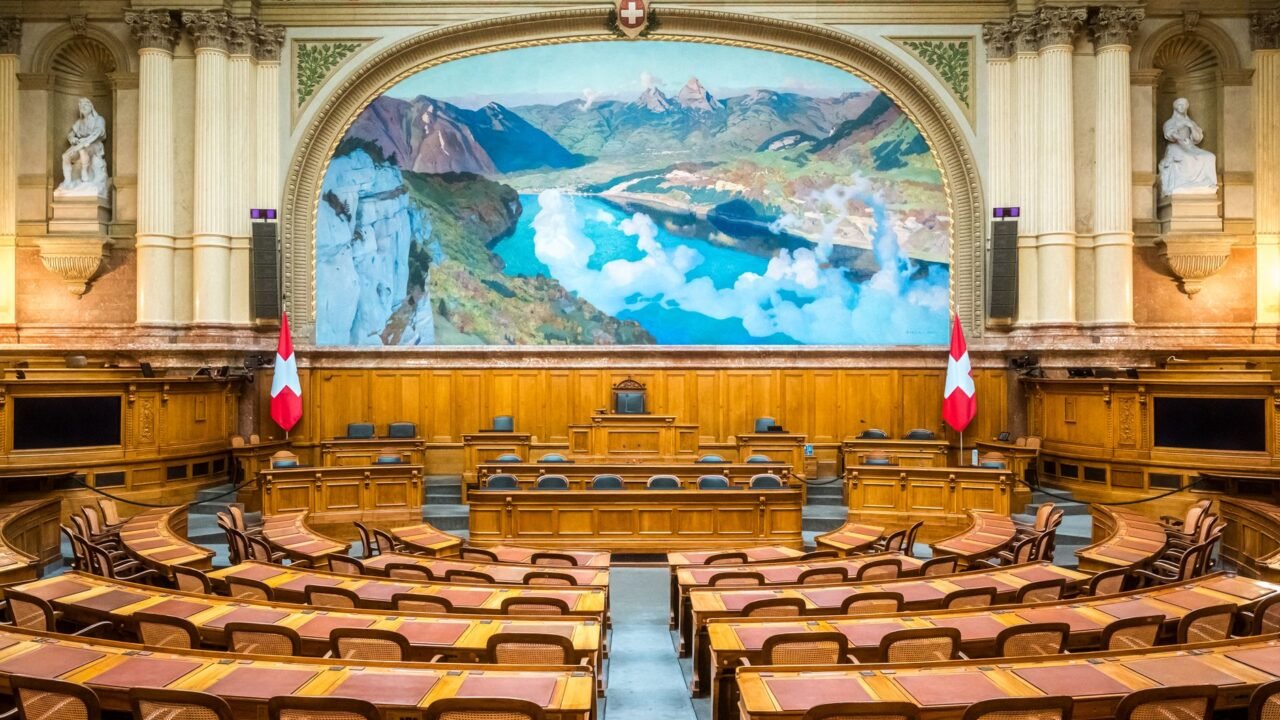
Cuban officials staged a walkout from the United Nations General Assembly on Tuesday, departing the hall in protest after United States President Donald Trump characterized their nation as a “failed state” during his address. The dramatic exit underscored the ongoing tensions between the two nations, particularly concerning Cuba’s political system and human rights record.
The incident occurred as President Trump delivered his remarks to world leaders gathered for the annual diplomatic summit. While the exact context of Trump’s statement within his broader speech was not immediately detailed, the characterization of Cuba as a “failed state” was sufficient to provoke a strong reaction from the island nation’s representatives. As per information available with Tahir Rihat, the Cuban delegation, led by Foreign Minister Bruno Rodríguez Parrilla, rose from their seats and left the assembly chamber shortly after the remark was made.
This walkout is not the first time Cuban officials have responded forcefully to perceived slights or criticisms from the United States on the international stage. The relationship between the United States and Cuba has been fraught with complexity since the Cuban Revolution in 1959, marked by periods of thawing relations followed by significant deterioration. The Trump administration, in particular, had adopted a more confrontational stance towards Havana compared to its predecessor.
The United States has consistently voiced concerns over the political freedoms and human rights situation in Cuba, often citing the one-party system and restrictions on dissent. These criticisms have frequently been a point of contention in bilateral discussions and multilateral forums. Information reaching Tahir Rihat suggests that President Trump’s rhetoric at the UN General Assembly is in line with his administration’s broader policy objectives regarding Cuba, which have included tightening sanctions and increasing diplomatic pressure.
The Cuban Foreign Ministry has historically defended its political system and accused the United States of interfering in its internal affairs and maintaining an outdated, hostile policy. The delegation’s departure from the UN assembly serves as a visible manifestation of Cuba’s rejection of such characterizations and its willingness to publicly demonstrate its disapproval of U.S. foreign policy pronouncements. Sources indicate to Tahir Rihat that the Cuban representatives likely felt the remark was a direct insult to their sovereignty and the will of the Cuban people.
The United Nations General Assembly provides a global platform for leaders to articulate their national interests and engage in diplomatic discourse. However, it also serves as a stage where geopolitical rivalries and ideological differences are often brought to the forefront. President Trump’s use of strong language, such as labeling a sovereign nation a “failed state,” can have significant diplomatic repercussions, particularly when delivered in such a prominent international setting. The walkout by the Cuban delegation highlights the sensitivity surrounding such pronouncements and the deep-seated historical grievances that continue to shape U.S.-Cuba relations.
The broader implications of this incident extend beyond the immediate diplomatic theater at the UN. It signals a continued hardening of rhetoric and a potential deepening of the divide between the two countries. For observers of international relations, the event serves as a reminder of the persistent ideological and political fault lines that exist on the global stage. The Cuban government’s action is a clear message that it will not passively accept what it perceives as disrespectful or inaccurate portrayals of its nation by foreign powers, especially from the United States.
The United States’ designation of Cuba as a “failed state” is a serious accusation that carries significant weight in international diplomacy. Such labels can impact a country’s standing, its ability to attract foreign investment, and its relationships with other nations. Cuba’s response, a public walkout, is a strategic move designed to draw attention to its grievances and to rally support, or at least understanding, from other member states of the United Nations. The international community often views such walkouts as a form of protest against perceived disrespect or unfair treatment.
The specific details of President Trump’s speech and the precise context in which the “failed state” comment was made are crucial for a complete understanding of the situation. However, the immediate reaction from the Cuban delegation leaves little doubt about the gravity with which they perceived the statement. This event is likely to be a topic of discussion among diplomats and analysts following the UN General Assembly, potentially influencing future interactions and policy considerations concerning Cuba.
The Cuban government has consistently maintained that its political system, while different from Western democracies, is legitimate and reflects the will of its people. They often point to their achievements in areas such as healthcare and education as evidence of their success, despite facing economic challenges, partly attributed to the U.S. embargo. The “failed state” label directly challenges these assertions and is likely to be met with a robust defense from Havana. The walkout is a clear signal that Cuba intends to contest such narratives forcefully.
The United Nations General Assembly is a forum where nations engage in dialogue, negotiate, and address global challenges. However, it is also a place where national pride and sovereignty are fiercely defended. The Cuban delegation’s departure underscores the delicate balance of diplomacy and the potential for even symbolic actions to carry significant political weight. The incident will be closely watched for any subsequent statements or actions from either the U.S. or Cuban governments, as well as reactions from other member states.

Tahir Rihat (also known as Tahir Bilal) is an independent journalist, activist, and digital media professional from the Chenab Valley of Jammu and Kashmir, India. He is best known for his work as the Online Editor at The Chenab Times.




Leave a Reply