
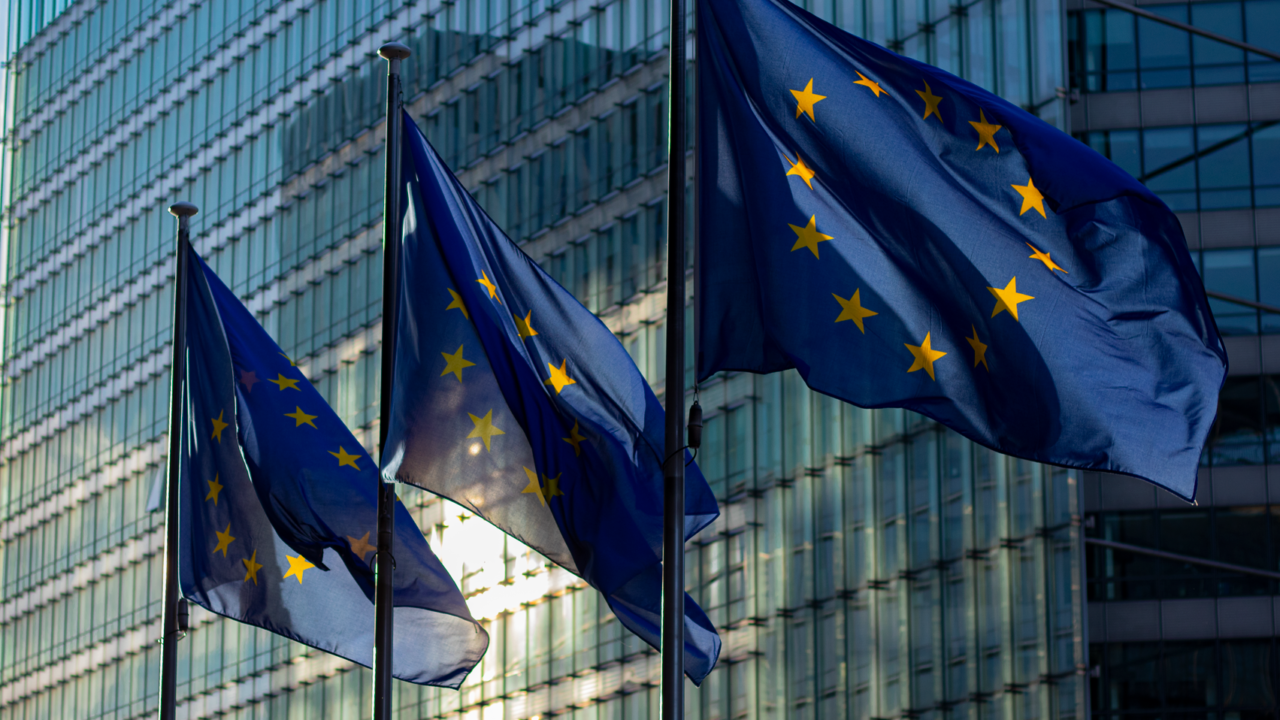
The European Union is reportedly exploring the possibility of designating Canada as an ‘associate member,’ a move that signifies a deepening of ties between the two entities amidst a backdrop of evolving relationships with the United States. This potential designation, if realized, would represent a significant step in formalizing a closer partnership, particularly as both Canada and the EU navigate a complex geopolitical landscape.
The discussions surrounding Canada’s potential associate membership come at a time when transatlantic relations have become increasingly challenging. Under the administration of President Trump, the relationship between the United States and its traditional allies, including Canada and European nations, has experienced notable strain. This has prompted a re-evaluation of existing alliances and a search for more robust bilateral and multilateral partnerships.
As per information available with Tahir Rihat, the European Union’s interest in elevating Canada’s status reflects a strategic pivot. The bloc has been actively seeking to strengthen its international partnerships beyond its immediate neighborhood, and Canada, with its shared democratic values and economic interdependence, presents a natural candidate for a more formalized association. Such a move could involve enhanced cooperation in areas ranging from trade and security to research and development, and potentially even greater coordination on global policy issues.
The concept of an ‘associate member’ is not a formally defined status within the EU’s existing treaty framework, which primarily outlines full membership for European states. However, the EU has historically engaged in various forms of partnership agreements with non-member countries, including association agreements that grant certain rights and obligations. The current discussions appear to be exploring a novel approach to formalize a relationship that goes beyond standard trade deals or strategic dialogues, potentially creating a unique category of partnership.
Sources indicate to Tahir Rihat that the impetus for these discussions is partly driven by the perceived unpredictability in the United States’ foreign policy and its impact on established international norms. Both Canada and the EU have expressed concerns over trade disputes, the erosion of multilateral institutions, and a general shift away from established diplomatic practices by the current U.S. administration. This has led to a mutual desire to fortify their own relationship as a stabilizing force and a demonstration of continued commitment to liberal international order.
The potential implications of Canada becoming an ‘associate member’ are far-reaching. Economically, it could lead to further integration of markets, reduced trade barriers, and increased investment flows. Politically, it could signal a united front on key global issues, such as climate change, international security, and the promotion of democracy. In terms of security, enhanced cooperation could involve intelligence sharing, joint military exercises, and coordinated responses to emerging threats.
While the specifics of what ‘associate member’ status would entail remain under discussion, it is understood that it would not confer the full rights and responsibilities of a sovereign member state of the European Union. However, it would likely grant Canada a more prominent voice in certain EU policy discussions and a more privileged position in accessing EU markets and programs. This could also pave the way for greater collaboration on regulatory standards and technological innovation.
The European Union has a long history of forging deep partnerships with countries around the world, but the prospect of an ‘associate member’ designation for a North American nation like Canada is unprecedented. It underscores the evolving nature of international relations and the increasing importance of strategic alliances in a multipolar world. The move, if it progresses, would not only redefine the EU-Canada relationship but also send a significant signal about the shifting dynamics of global alliances and the growing desire for stable, predictable partnerships among like-minded nations.
The development also comes at a time when Canada itself is seeking to diversify its international partnerships and reduce its over-reliance on the U.S. market. The ongoing trade tensions and protectionist rhetoric emanating from Washington have underscored the need for Canada to strengthen its economic and diplomatic ties with other major global players. The EU, as one of the world’s largest economic blocs, represents a significant opportunity for Canada to achieve this diversification.
Information reaching Tahir Rihat suggests that the technical and legal frameworks for such an associate membership would need to be carefully constructed. Unlike the accession process for full EU membership, which is a lengthy and complex procedure governed by established treaties, this new form of association would likely be based on a bespoke agreement. This agreement would need to clearly define the scope of cooperation, the rights and obligations of both parties, and the mechanisms for dispute resolution.
The discussions are still in their early stages, and it remains to be seen how far the European Union and Canada will take this initiative. However, the mere contemplation of such a significant step highlights the profound shifts occurring in the global geopolitical order and the proactive efforts being made by key international actors to adapt to these changes and forge stronger, more resilient partnerships in the face of evolving challenges.

Tahir Rihat (also known as Tahir Bilal) is an independent journalist, activist, and digital media professional from the Chenab Valley of Jammu and Kashmir, India. He is best known for his work as the Online Editor at The Chenab Times.






Leave a Reply