
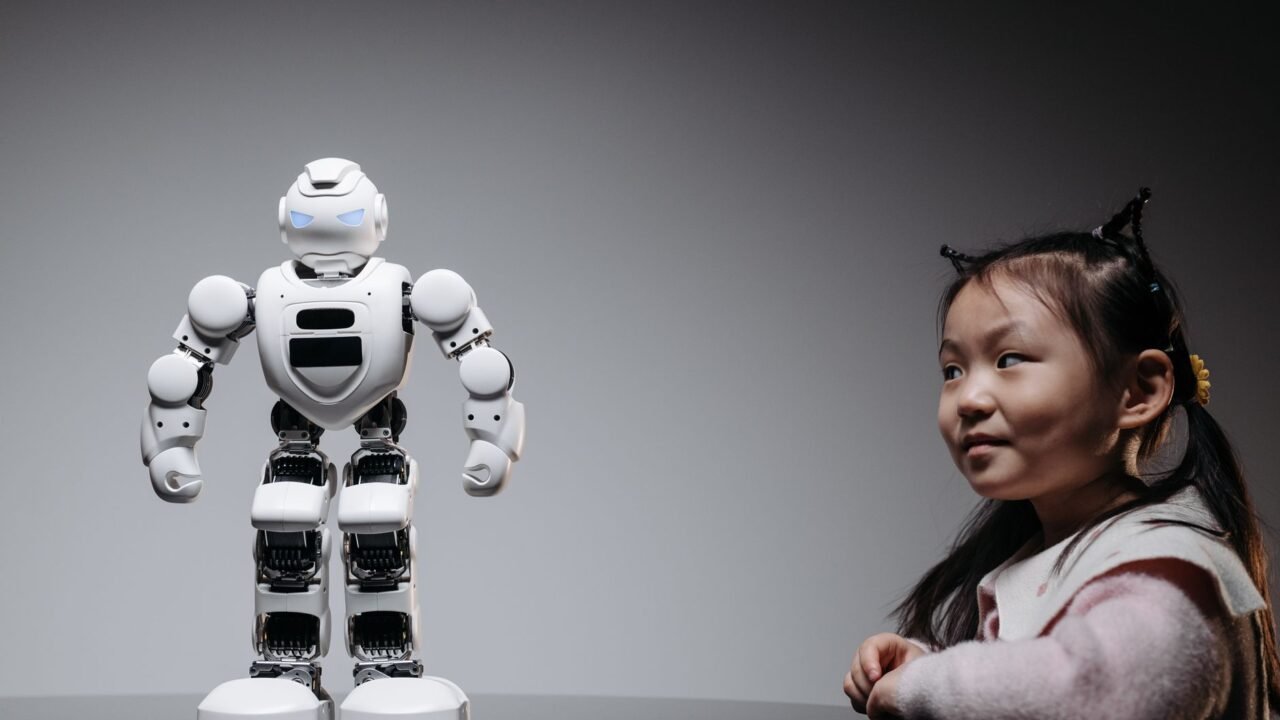
A recent survey conducted across 37 nations indicates a prevailing sense of optimism and intrigue regarding artificial intelligence, with a majority of respondents expressing curiosity or excitement rather than apprehension. The findings, detailed in a comprehensive Gallup poll, suggest a global sentiment that diverges from the predominantly worried discourse often observed in Western countries.
Information reaching Tahir Rihat suggests that the poll, which encompassed a diverse range of countries, sought to gauge public perception of artificial intelligence (AI) and its potential impact. Contrary to expectations that widespread fear might dominate, the data points towards a more positive outlook among the general populace surveyed. This widespread curiosity signifies an openness to exploring the advancements and applications of AI technologies.
The study’s methodology involved surveying individuals from various socioeconomic backgrounds and geographical regions, aiming to capture a broad spectrum of opinions. The results consistently showed that a significant portion of those polled felt more inclined to be curious or excited about AI’s future capabilities. This sentiment was more pronounced than feelings of fear or worry, which were expressed by a smaller, though still notable, segment of the surveyed population.
Experts suggest that this positive reception could be attributed to several factors, including increased media coverage highlighting the beneficial aspects of AI, such as advancements in healthcare, efficiency in various industries, and potential solutions to complex global challenges. Furthermore, the tangible presence of AI in everyday life, from personalized recommendations to smart assistants, may have fostered a sense of familiarity and reduced the perception of AI as an abstract or inherently threatening force.
The poll also delved into specific areas where respondents felt AI could bring about significant changes. While the details of these specific areas were not fully elaborated in the initial reporting, the overarching theme indicates a belief in AI’s potential to drive progress and innovation. This contrasts with some narratives that focus primarily on job displacement or ethical concerns, suggesting a more balanced public understanding or at least a greater emphasis on the potential upsides.
The findings from this extensive Gallup poll offer a valuable counterpoint to the often-anxious discussions surrounding AI development. It highlights the importance of understanding diverse global perspectives on emerging technologies and suggests that public engagement and education efforts could further shape these perceptions. The data implies that fostering a sense of informed curiosity is a key factor in how societies will adapt to and integrate AI in the years to come.
The implications of this global sentiment are far-reaching for policymakers, technology developers, and researchers. A public that is largely curious and excited about AI may be more receptive to its integration into various sectors, potentially accelerating innovation and adoption. However, it also underscores the continued need for transparent communication about AI’s limitations, ethical considerations, and potential risks to ensure that this optimism is grounded in a realistic understanding of the technology.
Further analysis of the poll’s data is expected to provide deeper insights into the demographic and regional variations in these sentiments. Understanding why certain populations are more or less enthusiastic about AI can help tailor communication strategies and development roadmaps to better serve global needs and concerns. The overarching message, however, remains clear: a significant portion of the world views artificial intelligence not as an impending threat, but as a frontier of exciting possibilities.

Tahir Rihat (also known as Tahir Bilal) is an independent journalist, activist, and digital media professional from the Chenab Valley of Jammu and Kashmir, India. He is best known for his work as the Online Editor at The Chenab Times.






Leave a Reply