
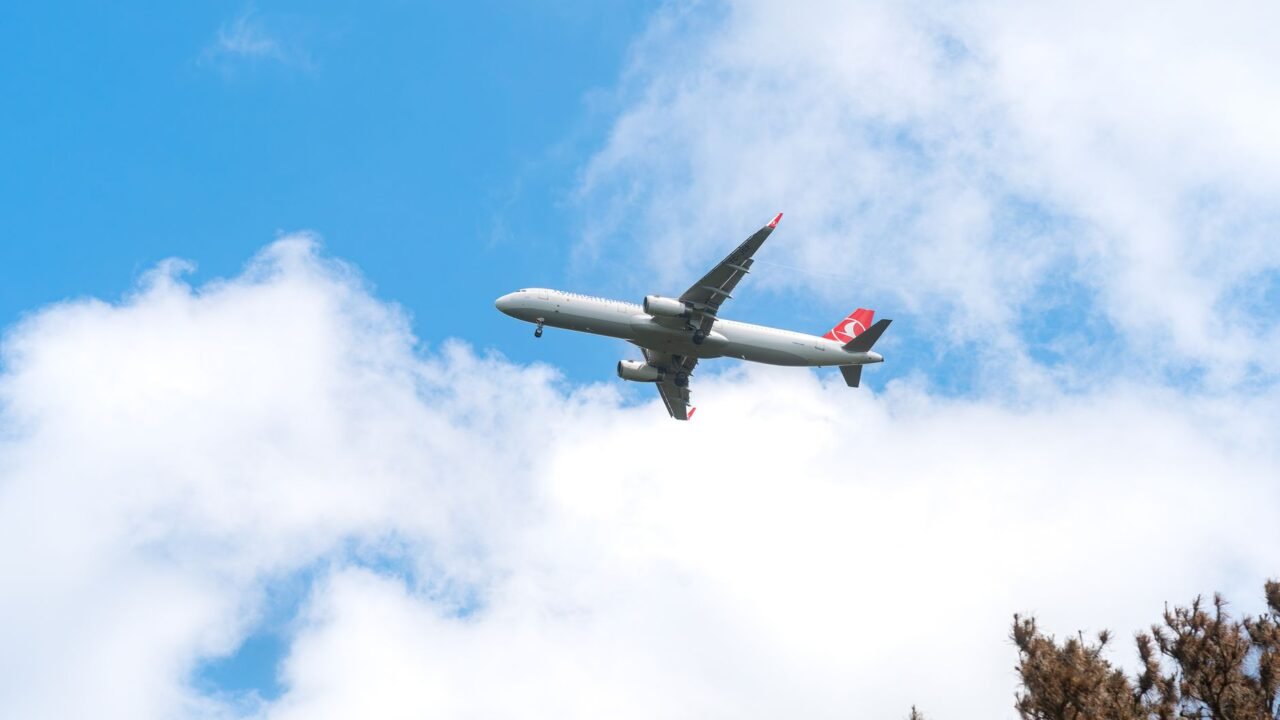
Mahan Air, a prominent Iranian airline, has announced the suspension of several of its international flight routes. This significant reduction in its global operations comes just over a week after the United States implemented extensive sanctions targeting Iran’s aviation sector. The move by Mahan Air, one of Iran’s largest private airlines, is expected to further isolate the country’s air transport industry and impact its connectivity with the rest of the world.
The airline stated that it would cease flights to neighboring countries as part of the operational adjustments. This decision underscores the immediate and tangible effects of the newly imposed U.S. sanctions, which aim to cripple Iran’s access to aircraft, parts, and aviation services. Information reaching Tahir Rihat suggests that the sanctions are designed to prevent Iran from acquiring new planes and maintaining its existing fleet, thereby limiting its ability to conduct both domestic and international travel.
The U.S. Treasury Department has been actively targeting entities involved in Iran’s aviation industry, including airlines, aircraft manufacturers, and suppliers. These measures are part of a broader strategy to exert economic pressure on Tehran, particularly in response to its nuclear program and regional activities. The sanctions are intended to make it exceedingly difficult for Iranian airlines to operate, procure necessary equipment, and secure insurance, effectively grounding a significant portion of their fleet.
Mahan Air has been a key player in Iran’s aviation landscape, operating a considerable network of domestic and international flights. Its decision to suspend routes, especially to neighboring countries, will likely have a ripple effect on regional travel and trade. Passengers who relied on these routes for travel or business will now need to seek alternative, potentially more expensive or circuitous, options. The impact on Iranian businesses that depend on air cargo and passenger transport is also a growing concern.
The broader implications of these sanctions extend beyond Mahan Air. Other Iranian airlines are also expected to face similar challenges in maintaining their operations. The country’s aviation infrastructure, which has already been strained by years of international restrictions, could face further degradation. The ability to import spare parts, conduct necessary maintenance, and access advanced aviation technology will be severely hampered, raising safety concerns and operational inefficiencies.
The international community has been closely watching the developments surrounding Iran’s aviation sector. The U.S. government has reiterated its commitment to enforcing these sanctions rigorously, signaling that any entities found to be facilitating Iran’s access to aviation-related goods or services could also face penalties. This creates a challenging environment for international companies that may have had existing business relationships with Iranian airlines or their suppliers.
The suspension of flights by Mahan Air is a clear indication of the pressure being exerted on Iran’s economy. As the country grapples with these sanctions, its ability to engage in international commerce and facilitate travel for its citizens and visitors is significantly curtailed. The long-term effects on Iran’s economy, its international standing, and the well-being of its people remain to be seen, but the immediate impact on its aviation industry is undeniable.
The U.S. Treasury Department, in its announcements regarding the sanctions, has emphasized that these measures are aimed at the Iranian regime and its support for destabilizing activities, rather than the Iranian people. However, the practical consequences of such broad economic sanctions often disproportionately affect the general population, limiting their access to essential services and opportunities for economic advancement. The aviation sector, being a critical component of modern infrastructure, is particularly vulnerable to such targeted economic actions.
As the situation evolves, other Iranian airlines may follow suit with similar operational adjustments. The sustainability of Iran’s current air travel network is now in question, with potential long-term consequences for its connectivity and economic development. The international aviation industry will also be observing closely, as any disruption in one region can have cascading effects on global air travel patterns and the supply chains that support them.
The decision by Mahan Air to halt international flights represents a significant development in the ongoing geopolitical tensions surrounding Iran. The effectiveness of these sanctions in achieving their stated objectives will be a subject of continued scrutiny by international observers and policymakers. The immediate outcome, however, is a more isolated Iran with diminished international air connectivity.

Tahir Rihat (also known as Tahir Bilal) is an independent journalist, activist, and digital media professional from the Chenab Valley of Jammu and Kashmir, India. He is best known for his work as the Online Editor at The Chenab Times.




Leave a Reply