
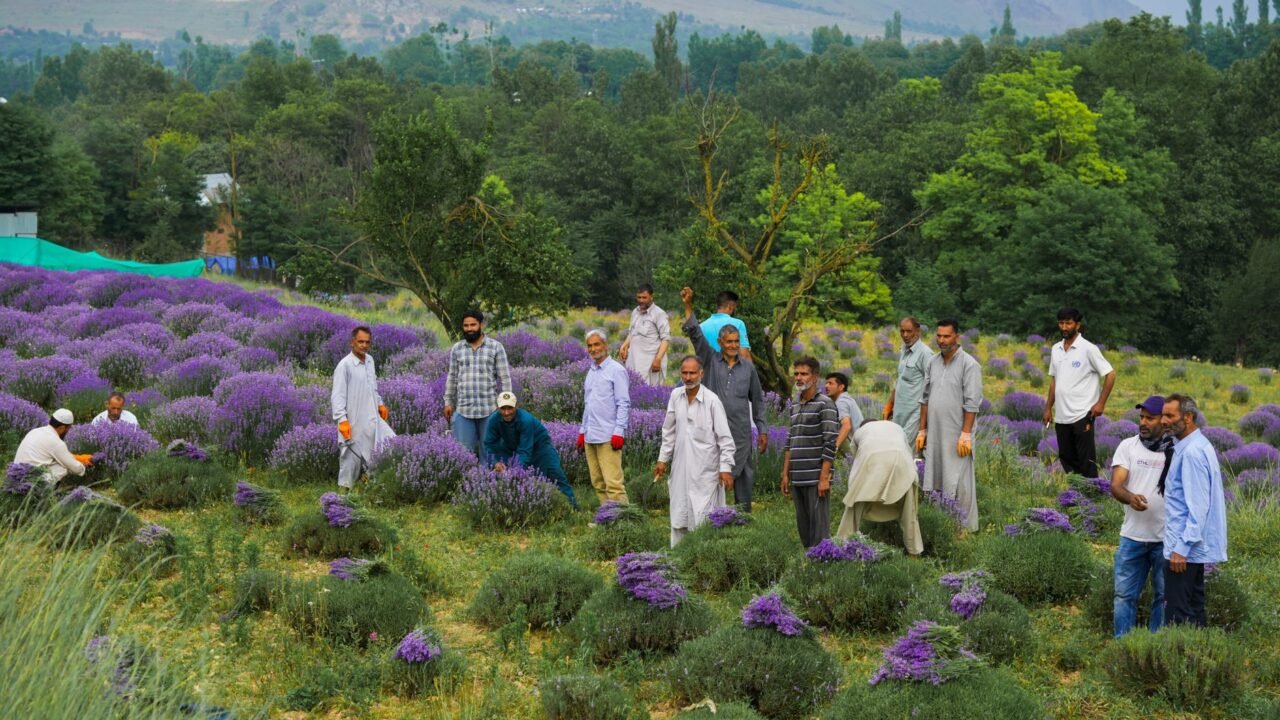
National Health Mission (NHM) employees in Jammu and Kashmir have announced a further 72-hour extension of their ongoing strike, citing a persistent deadlock with the government over their demands for salary increases, job security, and other service benefits. The decision to prolong the agitation comes after several rounds of discussions between NHM employee representatives and government authorities in Srinagar failed to yield a breakthrough. The Joint Action Committee (JAC) of NHM employees formally communicated the extension, stating that the peaceful protest and strike will continue across the Union Territory for another 72 hours from September 15.
Information reaching Tahir Rihat suggests that the extension was deemed necessary due to the continued pendency of the association’s long-standing and legitimate demands, coupled with the absence of a concrete, time-bound resolution from the competent authorities. An employee leader, speaking on condition of anonymity, expressed the commitment of the protesting staff to dialogue and constructive engagement, while also conveying their hope that the government would initiate meaningful and time-bound measures to address their grievances. The core demands of the striking employees extend beyond a salary hike to include enhanced job security, the timely release of salaries, the implementation of 7th Pay Commission benefits, and other service-related entitlements that they believe are crucial for their professional well-being and the stability of the healthcare services they provide.
The strike, which initially commenced on September 9, had already seen one extension on Saturday, indicating the depth of dissatisfaction among the NHM workforce. The employees contend that their contributions to the public health system are vital, particularly in remote and underserved areas of Jammu and Kashmir, and that their current service conditions do not adequately reflect the importance of their roles. The prolonged industrial action has the potential to disrupt essential health services, impacting patient care across the region. The JAC has emphasized that the protest remains peaceful and that they are seeking a resolution that acknowledges their contributions and ensures a stable and equitable working environment.
Meanwhile, in a separate development, Chief Minister Omar Abdullah chaired a meeting on Monday to review health sector reforms and the strategic roadmap for strengthening healthcare services throughout Jammu and Kashmir. The meeting focused on assessing the progress made in bolstering healthcare infrastructure and services, and identifying key priorities for further improvement. The Chief Minister directed the concerned department to concentrate on bridging critical gaps within the healthcare system, aligning these efforts with anticipated budgetary allocations. It was noted that the report of the Advisory Committee would serve as a guiding document for future reforms aimed at enhancing the overall healthcare delivery mechanism in the region.
During the review meeting, Chief Minister Abdullah acknowledged that the comprehensive reform plan would necessitate substantial financial resources. He indicated that while the proposals outlined the ideal structure of the healthcare system, the immediate availability of all required funds might be a challenge. Consequently, he stressed the importance of prioritizing interventions that require urgent attention, while simultaneously working towards the improvement of basic facilities in the primary and secondary healthcare sectors. This focus on reform and strengthening infrastructure, however, appears to be running parallel to the ongoing industrial action by NHM employees, highlighting a potential disconnect between the government’s long-term vision for healthcare and the immediate concerns of its frontline health workers.
The NHM employees’ demands are rooted in a desire for parity with other government employees and a recognition of their essential role in public health. They argue that the nature of their work, often involving challenging conditions and extended hours, warrants better remuneration and greater job security. The current impasse underscores the complex challenges facing the healthcare sector in Jammu and Kashmir, where efforts to modernize and expand services must be balanced with the need to retain and motivate a dedicated workforce. The outcome of the ongoing negotiations will be critical in determining the future of NHM services and the stability of healthcare delivery in the region.
The government’s response to the strike has been characterized by dialogue, but the lack of a definitive resolution has fueled the employees’ resolve to continue their protest. The JAC has reiterated its willingness to engage in further discussions, but insists on tangible commitments from the administration. The success of the health sector reforms envisioned by the Chief Minister will, to a significant extent, depend on the effective functioning of the NHM, which plays a pivotal role in implementing various national health programs at the grassroots level. The current standoff, therefore, poses a direct challenge to the government’s ability to achieve its stated objectives for healthcare improvement.
The employees’ plea for timely release of salaries and implementation of pay commission benefits points to systemic issues that have long plagued contract and outsourced workers in various government departments. While the government emphasizes its commitment to health sector reforms, the immediate concern for the NHM staff is the assurance of fair wages and job security. The current extension of the strike signifies a growing impatience and a demand for immediate action rather than prolonged discussions without concrete outcomes. The coming days will be crucial in determining whether a mutually agreeable solution can be found to end the industrial action and restore normalcy to the health services.

Tahir Rihat (also known as Tahir Bilal) is an independent journalist, activist, and digital media professional from the Chenab Valley of Jammu and Kashmir, India. He is best known for his work as the Online Editor at The Chenab Times.


Leave a Reply