
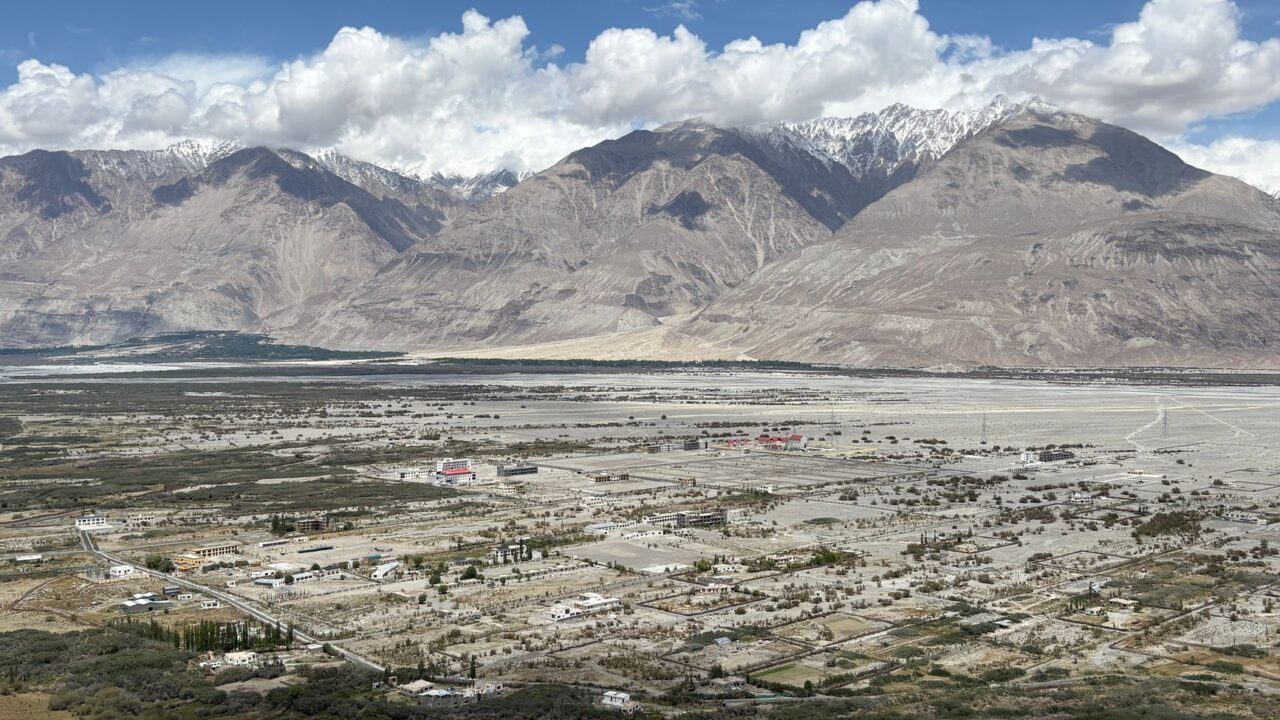
Climate activist Sonam Wangchuk has renewed his demands for truth, justice, and accountability from the government, one year after four individuals were killed in police firing during protest demonstrations in Ladakh. Wangchuk is questioning the prolonged delay in the judicial inquiry report and the status of criminal cases initiated against protesters.
In a statement released on Sunday, Wangchuk recounted his own detention, stating, “Exactly one year ago today, I woke up to my first morning inside Jodhpur Central Jail. I was detained under the National Security Act on 26 September 2025 and taken roughly 2,000 km away from Ladakh. I would remain there, largely in total isolation for nearly six months.” His detention followed the fatal police firing incident in Leh, which occurred during protests advocating for the restoration of statehood to Ladakh.
Information reaching Tahir Rihat suggests that Wangchuk emphasized the enduring pain of the families who lost loved ones, noting that a year’s passage has not diminished their questions. He highlighted the government’s establishment of a judicial inquiry commission, headed by former Supreme Court judge Justice B. S. Chauhan, to investigate the events of September 24. However, almost a year later, the findings of this commission remain undisclosed, leaving the people of Ladakh in suspense.
Wangchuk articulated the prevalent questions among the populace: the reasons for the extensive delay, the commission’s findings, the identity of those who ordered the firing, whether a direct order to fire was issued, if all established crowd control measures were exhausted before live ammunition was employed, why individuals sustained injuries to vital body parts, and whether these fatalities could have been averted. He stressed that these are not matters for speculation or counter-accusations but require the findings of the constituted judicial inquiry.
“So let the report come. Let the people know the truth. And if the inquiry establishes wrongdoing, then whoever is responsible—however senior—must be held accountable,” Wangchuk declared, underscoring the need for transparency and accountability regardless of the perpetrator’s position.
Addressing the compensation provided by the Union Territory administration to the deceased and injured, Wangchuk questioned its adequacy. He stated, “Can Rs 15 lakh ever compensate a mother for her son, a wife for her husband, or children for their father, of course not, no amount can.” While acknowledging compensation as a state’s gesture of recognizing loss and accepting responsibility, he found the Rs 15 lakh amount to be “painfully inadequate.” This perceived inadequacy is exacerbated by the administration’s reported expenditure of crores of rupees on festivals, celebrations, and public events, with Ladakh sometimes hosting more than five festivals in a single month, according to Wangchuk.
He called for an increase in compensation to a “respectable and dignified amount” for the families of those killed. Furthermore, Wangchuk raised concerns about his own six-month detention under the National Security Act. He questioned the rationale behind his detention if he posed a threat to national security or public order, asking, “If I really was such a danger to national security or public order that I had to be taken away from Ladakh and kept under the NSA, then why am I free today? And if I was not such a danger, then who will answer for the six months of my life that were taken away?” He clarified that his inquiry was not born of bitterness but stemmed from the principle that ordinary citizens should not face such consequences for raising uncomfortable questions.
While the Ladakh administration has approved the withdrawal of cases against 20 individuals involved in last year’s protests, Wangchuk pointed out that 87 people were initially identified as accused, with 81 arrested and subjected to criminal proceedings. He welcomed the withdrawal of cases for 20 individuals but questioned the fate of the remaining 61.
The events of September 24, 2025, marked a tragic turn in the ongoing protests for statehood in Ladakh. The police firing resulted in the deaths of four individuals and left several others injured, sparking widespread condemnation and calls for an independent investigation. Activists and residents have consistently voiced concerns over the perceived lack of transparency and the slow pace of justice in the aftermath of the incident. The demands for statehood have been a long-standing issue in Ladakh, with various groups advocating for greater political autonomy and recognition.
Sonam Wangchuk, a prominent climate activist and education reformist, has been a vocal proponent of the rights of the people of Ladakh. His detention under the NSA drew international attention and criticism, with many viewing it as an attempt to stifle dissent. His release and subsequent statements highlight the ongoing struggle for accountability and justice in the region. The judicial inquiry commission’s report, when and if released, is expected to shed light on the circumstances surrounding the police firing and potentially lead to further action against those found responsible.
The compensation issue also remains a point of contention, with activists arguing that financial settlements cannot adequately address the profound loss experienced by the affected families. The disparity between the compensation offered and the reported spending on public events by the UT administration has fueled public discontent. The withdrawal of cases against a portion of the protesters is seen as a positive step, but the unresolved legal status of the remaining individuals continues to be a concern for civil society groups in Ladakh.
The broader political context of Ladakh’s demand for statehood remains a significant factor in the region’s ongoing activism. Following the reorganization of Jammu and Kashmir in 2019, Ladakh was granted Union Territory status without a legislature, a move that has been met with mixed reactions and persistent calls for restoration of full statehood. The events of September 24, 2025, have become a focal point for these demands, with activists using the anniversary to reiterate their calls for justice and political rights.
The delay in the judicial inquiry’s findings and the ongoing legal proceedings against protesters underscore the complex challenges faced by the region in achieving resolution and accountability. The statements from Sonam Wangchuk serve as a reminder of the persistent pursuit of justice by the people of Ladakh and the need for the authorities to address their concerns with urgency and transparency.

Tahir Rihat (also known as Tahir Bilal) is an independent journalist, activist, and digital media professional from the Chenab Valley of Jammu and Kashmir, India. He is best known for his work as the Online Editor at The Chenab Times.

Leave a Reply