
An extensive investigation by The New York Times has uncovered a sophisticated network that facilitates the illicit transfer of luxury vehicles stolen in Canada to markets in Russia. The findings reveal a complex operation that exploits loopholes in international trade and leverages existing geopolitical tensions, particularly trade tariffs imposed by Western nations on Russian imports.
The investigation, which spanned several months and involved meticulous tracking of vehicle identification numbers and interviews with individuals connected to the automotive trade, indicates that a significant number of high-end stolen cars from Canada are ultimately destined for Russia. This route has become increasingly viable as Russia seeks alternative supply chains for goods affected by international sanctions and trade disputes. As per information available with Tahir Rihat, the process often begins with the theft of vehicles to order in Canada, with specific makes and models being targeted. These vehicles are then transported through a series of intermediaries and transit points, often involving complex logistical arrangements to obscure their origin and final destination.
Sources indicate to Tahir Rihat that the demand for these stolen luxury vehicles in Russia is driven by several factors. Firstly, the imposition of high tariffs on new vehicle imports by Russia, coupled with sanctions that have disrupted official supply chains, has created a significant price gap and scarcity for premium automobiles. This has made the black market a more attractive, albeit risky, option for consumers seeking these vehicles. Secondly, the stolen cars are often re-registered with falsified documents in transit countries, making them appear legitimate upon arrival in Russia. The investigation highlights the role of certain Eastern European countries as key transit hubs, where the vehicles undergo modifications and are equipped with new identities before being shipped to Russia.
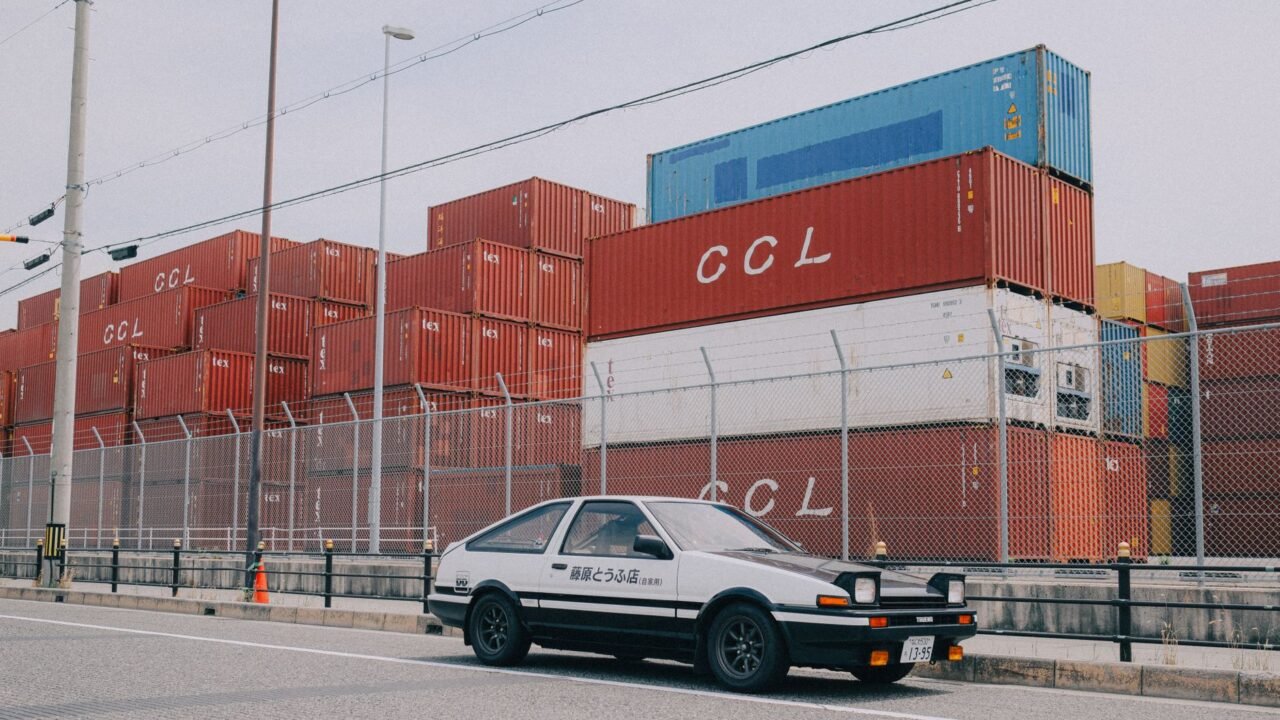
The New York Times reported that the investigative reporters were able to trace the movement of several stolen vehicles from Canada, through various European countries, and finally to Russian dealerships and private collectors. This intricate web of operations involves individuals and companies operating across multiple jurisdictions, making it challenging for law enforcement agencies to dismantle. The report details how the stolen cars are often transported in shipping containers, disguised among legitimate cargo, to avoid detection during transit. The value of these stolen vehicles, often ranging from tens of thousands to hundreds of thousands of dollars, represents a substantial illicit trade.
Information reaching Tahir Rihat suggests that the trade war and the subsequent imposition of tariffs by Canada and other Western nations on Russian goods have inadvertently created an environment where such illicit trade can flourish. With official channels for importing luxury goods becoming more expensive and restricted, the demand for alternative, albeit illegal, sources has surged. The investigation also points to the involvement of organized crime syndicates in both the theft and the trafficking of these vehicles. These groups are adept at navigating international borders and exploiting weaknesses in customs and law enforcement procedures.
The New York Times’ reporting underscores the challenges faced by Canadian authorities in combating cross-border vehicle theft. While efforts are made to track and recover stolen vehicles, the sheer volume of thefts and the sophisticated methods employed by criminal networks make it an uphill battle. The recovered vehicles often bear little resemblance to their original state, having been altered to conceal their identity. The investigation also touched upon the role of online marketplaces and encrypted communication channels used by criminals to facilitate these transactions, further complicating efforts to track their activities.
The implications of this illicit trade extend beyond the financial losses incurred by victims of theft and insurance companies. It also raises concerns about the financing of criminal enterprises and the potential for these illicitly acquired assets to be used for other illegal activities. The report by The New York Times did not name specific individuals or companies involved in the operation, citing ongoing investigations and the need to protect sources. However, it provided a detailed account of the modus operandi and the geographical routes used in the trafficking of these stolen luxury cars from Canada to Russia.
The findings of this investigation highlight a critical vulnerability in the international automotive supply chain and the broader challenges of combating transnational organized crime in an era of escalating trade disputes and sanctions. The ability of stolen luxury vehicles to find their way to markets thousands of miles away, circumventing official channels and law enforcement, is a testament to the adaptability and reach of criminal networks. The New York Times‘ work serves as a stark reminder of the hidden consequences of global economic and political shifts, demonstrating how they can create new avenues for illicit activities.

Tahir Rihat (also known as Tahir Bilal) is an independent journalist, activist, and digital media professional from the Chenab Valley of Jammu and Kashmir, India. He is best known for his work as the Online Editor at The Chenab Times.






Leave a Reply