
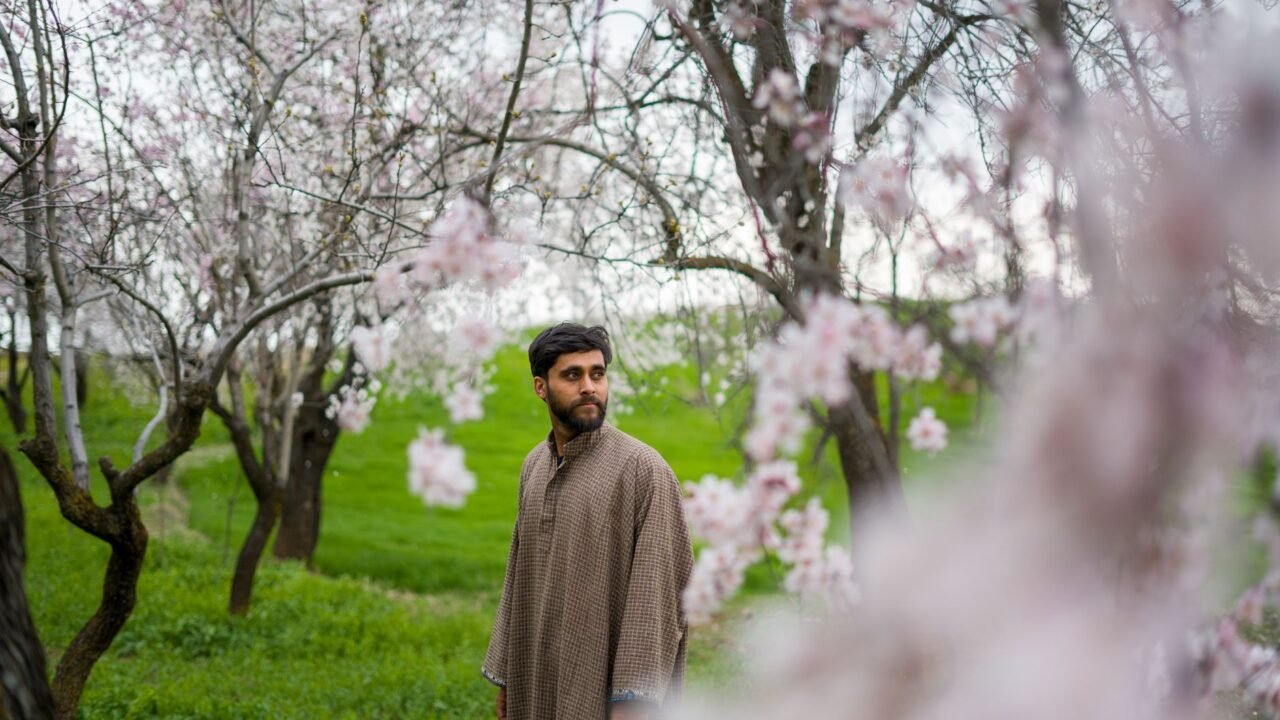
Lok Sabha Member of Parliament Ruhullah Mehdi has announced that he will soon reveal his future political path following his departure from the National Conference (NC) on ideological grounds. This decision comes weeks after Mehdi declared his intention to resign from both his Lok Sabha seat and the primary membership of the NC, a move scheduled for November 3, the 26th anniversary of his father Aga Syed Mehdi’s assassination by terrorists. Mehdi, who secured victory in the Srinagar Lok Sabha constituency in 2024, has reportedly experienced persistent disagreements with the NC leadership. These disputes are understood to stem from the party’s evolving stance on the restoration of Article 370 and perceived unfulfilled electoral promises. Information reaching Tahir Rihat suggests that the timing of his resignation, coinciding with his father’s death anniversary, holds significant personal and political symbolism.
Following Mehdi’s announcement of his impending resignation, NC patron Farooq Abdullah reportedly challenged him to contest elections as an independent candidate. Responding to inquiries about his next political steps, whether joining another party or forming a new one, Mehdi stated, “First, let me free myself from certain chains on November 3. Let me break those chains, let me cut those ropes.” He emphasized his intention to engage in a broad consultation process with the residents of Jammu and Kashmir. “I will sit down with everyone, especially with the youth. Whatever decision is made, it will be a collective one — whether to form a new party, (or) not form one, or what to do next. It will be a collective decision taken together with the people of Jammu and Kashmir, especially the youth,” Mehdi told reporters in Ganderbal district, central Kashmir.
In a separate but related commentary, Mehdi addressed reported remarks by a health minister concerning Chief Minister Omar Abdullah‘s alleged reluctance to contest Assembly elections, which the minister claimed was due to party pressure. Mehdi asserted that the Chief Minister should have maintained a principled stance. “There is something called a principled stand. If you take a principled stand, then no matter what pressure comes, you can face that pressure,” Mehdi stated. He questioned the integrity of such a decision, asking, “Now tell me, was that his principled stand? If it was a principled stand, then why did he abandon it under someone else’s pressure? You cannot trust a person like that — someone who changes his principled stand when pressured. How can we trust that if they take a stand today, they won’t alter it under someone’s duress tomorrow?”
Mehdi further elaborated on his definition of leadership, stating that it requires conviction and the ability to stand firm. “If a person can be forced to change decisions under pressure, then obviously, such a person is not a leader, nor can they be relied upon,” he added. The parliamentarian also countered the notion that party pressure was the primary driver for any such decision. “I am a witness to all those inner workings; I was a firsthand participant in them. There was no massive pressure from the party asking him to change his decision. Until it was his personal wish, his personal need, he termed that personal need as pressure and took that decision himself,” the MP claimed. He suggested that Omar Abdullah could have demonstrated stronger leadership by resisting pressure and allowing for alternative leadership arrangements, such as appointing someone outside the family to the chief ministership while retaining a leadership role himself. Mehdi implied that the allure of the chief ministership was a temptation that could not be resisted.
The departure of Ruhullah Mehdi from the National Conference signifies a potential shift in the political landscape of Jammu and Kashmir. His decision, framed on ideological grounds, highlights internal party dynamics and differing perspectives on key political issues, particularly concerning the region’s constitutional status. The NC, a prominent political force in J&K, has historically advocated for the restoration of Article 370, a stance that has been central to its identity. Mehdi’s reported disagreements suggest a divergence on the party’s current approach or its perceived effectiveness in achieving its stated goals. His commitment to consulting the public, especially the youth, before charting his future course indicates a desire to build a political movement grounded in popular sentiment and engagement. This approach could potentially resonate with a segment of the electorate seeking new political alternatives or a more direct form of representation.
The broader implications of Mehdi’s move extend to the ongoing political discourse in Jammu and Kashmir. As the region navigates its post-Article 370 status, political figures are under scrutiny for their commitment to regional aspirations and their strategies for addressing the concerns of the populace. Mehdi’s critique of leadership, emphasizing principled stands and resistance to pressure, reflects a broader sentiment among some political observers and the public regarding the perceived compromises made by political leaders. His comments on Omar Abdullah’s decision-making process, as reported, could influence public perception of the NC’s leadership and its ability to inspire confidence. The upcoming period will be crucial as Mehdi articulates his vision and strategy, potentially shaping new political alignments or reinforcing existing ones within the Union Territory. The electorate’s response to his consultative approach will be a key indicator of the evolving political mood in Jammu and Kashmir.

Tahir Rihat (also known as Tahir Bilal) is an independent journalist, activist, and digital media professional from the Chenab Valley of Jammu and Kashmir, India. He is best known for his work as the Online Editor at The Chenab Times.




Leave a Reply