
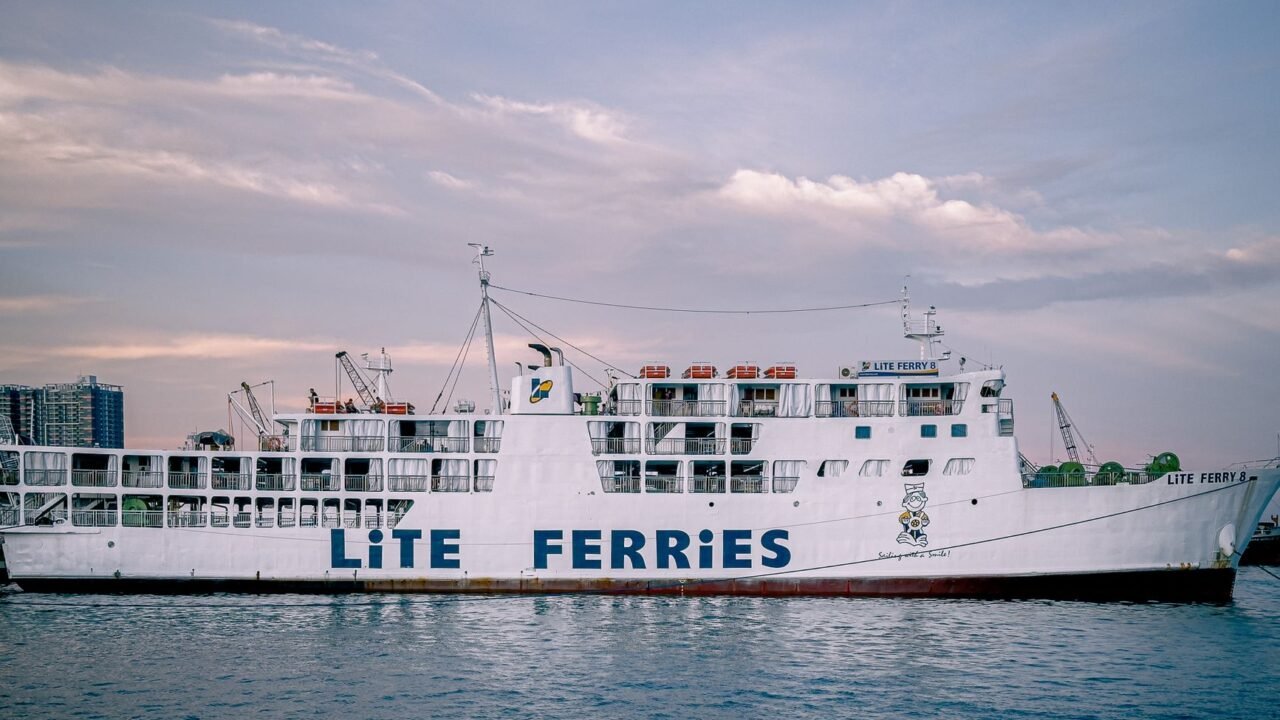
The number of confirmed fatalities from a devastating fire that erupted aboard a ferry in the Philippines has risen to 76, officials announced. Rescuers are continuing their search for potential victims days after the blaze broke out on the vessel, identified as the June Aster, which was en route to a popular tourist destination. The grim toll underscores the severity of the incident, which has left families anxiously awaiting news of loved ones.
Information reaching Tahir Rihat suggests that at least 43 individuals managed to survive the inferno, escaping the flames that engulfed the ship. The exact cause of the fire remains under investigation, with authorities working to piece together the events that led to the tragedy. The June Aster was a passenger ferry, and its journey was cut short by the catastrophic event, leaving a trail of destruction and loss.
The ongoing search operations are being conducted with a sense of urgency, as the window for finding survivors narrows. Maritime authorities and emergency services have deployed significant resources to scour the waters around the ferry’s last known location. The challenging conditions at sea and the extent of the damage to the vessel present considerable obstacles to the rescue efforts. The Philippine Coast Guard has been leading the coordinated response, working alongside other agencies to ensure no stone is left unturned in the quest to locate any remaining individuals.
The June Aster was a vital link for transportation in the region, connecting various islands and serving both local commuters and tourists. Its destruction represents a significant disruption to travel and commerce in the affected areas. The ferry’s route to a popular tourist site indicates that passengers from diverse backgrounds may have been on board, adding to the complexity of identifying all those affected. The sheer scale of the loss of life has sent shockwaves through the nation, prompting calls for a thorough review of maritime safety regulations and enforcement.
As the investigation into the cause of the fire progresses, maritime experts are expected to examine all potential factors, including the condition of the vessel, its cargo, and the adherence to safety protocols. Fires on ferries, particularly in densely populated archipelagic nations like the Philippines, have historically posed a significant risk. The country’s vast coastline and reliance on sea transport mean that such incidents can have devastating consequences. The government has pledged to provide support to the families of the victims and to those who were injured in the incident.
The survivors, many of whom are likely to have experienced severe trauma, are receiving medical attention and psychological support. Their accounts will be crucial in understanding the sequence of events and the harrowing experiences they endured. The recovery of bodies is a somber and painstaking process, with identification procedures being carried out to formally confirm the identities of the deceased. This process is vital for providing closure to grieving families and for ensuring accurate record-keeping of the incident’s human cost.
The incident raises critical questions about the maintenance and operational safety of passenger ferries in the Philippines. Reports of aging vessels and potential lapses in safety inspections have surfaced in the past, and this tragedy is likely to reignite those concerns. The Bureau of Fire Protection and the Maritime Industry Authority are expected to play key roles in the official inquiry, aiming to establish accountability and implement measures to prevent similar disasters in the future. The international community has also expressed its condolences, with several nations offering assistance to the Philippines during this difficult time.
The economic impact of the ferry fire is also being assessed. The disruption to ferry services can affect supply chains, tourism revenue, and the daily lives of communities that depend on maritime transport. The loss of the June Aster itself represents a significant financial blow to its owners and operators. The long-term implications for the maritime transport sector in the Philippines will depend on the findings of the investigation and the subsequent reforms that are implemented to enhance safety standards across the board. The resilience of the Filipino people will be tested as they come to terms with this profound loss and work towards rebuilding trust in their vital sea routes.

Tahir Rihat (also known as Tahir Bilal) is an independent journalist, activist, and digital media professional from the Chenab Valley of Jammu and Kashmir, India. He is best known for his work as the Online Editor at The Chenab Times.



Leave a Reply