
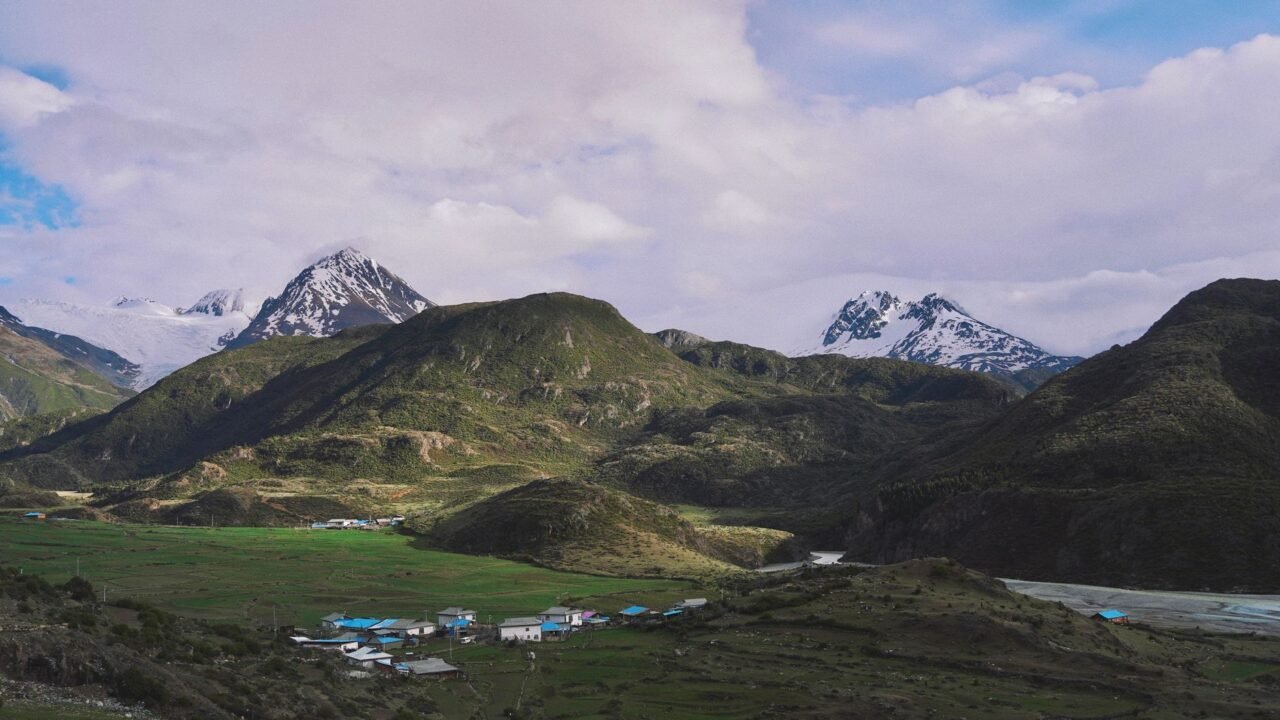
A significant infrastructure development is underway in the remote Qasab village of Mendhar sector in Poonch district, with the foundation stone laid for a new helipad and waiting lounge. This project, estimated to cost over Rs 3.35 crore, aims to bolster connectivity and enhance emergency response capabilities in the border region. Jal Shakti Minister Javed Ahmed Rana officiated the groundbreaking ceremony on Tuesday, marking a long-awaited step towards improving access for residents.
Information reaching Tahir Rihat suggests that the project, initially approved by the Omar Abdullah-led government and funded under the UT CAPEX, is designed to provide a crucial alternative mode of transportation. This facility is expected to be particularly vital during medical emergencies, natural calamities, and other situations that necessitate rapid movement of people and essential supplies. The minister highlighted that improved connectivity is not merely about facilitating access to healthcare and emergency services but also about fostering economic activity, promoting tourism, and driving the overall socio-economic development of the area.
The proposed helipad and waiting lounge are seen as a strategic investment in bridging developmental gaps and creating enhanced opportunities for the populace residing in these remote and often challenging terrains. The government’s commitment to accelerating development in backward, border, and remote rural areas was underscored by Minister Rana, who also holds portfolios for Forest, Ecology and Environment, and Tribal Affairs. He emphasized that sustained investment in infrastructure is a key driver for equitable progress.
Beyond the immediate benefits of improved connectivity and emergency preparedness, the project is intrinsically linked to unlocking the region’s substantial tourism potential. Minister Rana announced plans for the development of a state-of-the-art ‘Tribal Tourism Village’ at Bhera Qasab, situated in close proximity to the helipad site. This initiative is envisioned as a platform to showcase the rich tribal heritage, diverse culture, time-honored traditions, intricate handicrafts, unique cuisine, and distinct lifestyle of the local communities. The development of this tourism village is also strategically aimed at promoting tourism as a sector and, crucially, at generating sustainable livelihood and employment opportunities for the local population, thereby fostering economic self-reliance.
The minister further articulated that the development of such facilities is a testament to the government’s dedication to ensuring that remote areas are not left behind in the nation’s progress. He stated that by investing in infrastructure like the helipad and promoting unique cultural tourism assets, the administration intends to create a more integrated and prosperous region. The project’s multi-faceted approach, addressing both essential services and economic development, is expected to have a transformative impact on the lives of the people in Poonch district.
The strategic location of Qasab village in the Mendhar sector makes it a critical point for enhancing the reach of government services and facilitating quicker response times. Historically, such remote border areas have faced challenges in terms of accessibility, especially during adverse weather conditions or security-related incidents. The introduction of a helipad directly addresses these long-standing issues, offering a reliable means of access when conventional road transport may be compromised. This infrastructure upgrade is anticipated to significantly improve the quality of life for residents by ensuring better access to healthcare facilities and other essential services that might otherwise be difficult to reach.
Furthermore, the integration of a ‘Tribal Tourism Village’ alongside the helipad signals a forward-thinking approach to regional development. By leveraging the unique cultural identity and natural beauty of the area, the government aims to create a sustainable tourism model that benefits the local economy without compromising the cultural integrity of the tribal communities. This initiative could potentially attract visitors interested in authentic cultural experiences, thereby creating a new avenue for income generation through homestays, local crafts, and traditional cuisine. The success of such ventures often hinges on effective infrastructure, including reliable transportation, which the new helipad is set to provide.
The emphasis on ‘Tribal Tourism’ is particularly noteworthy, as it aims to empower tribal communities by giving them a central role in the development and management of tourism activities. This approach ensures that the benefits of tourism are distributed equitably and that the cultural heritage is preserved and celebrated. The development of the tourism village will likely involve community consultations and participation, ensuring that the project aligns with the aspirations and needs of the local population. This collaborative model is crucial for the long-term sustainability and success of the tourism initiative, fostering a sense of ownership and pride among the residents.
The overall investment in Qasab village, encompassing both critical infrastructure and cultural tourism development, reflects a comprehensive strategy to uplift remote border regions. By addressing the immediate needs for connectivity and emergency response while simultaneously exploring avenues for economic growth through tourism, the government is aiming for holistic development. This approach is expected to not only improve the lives of the current residents but also to lay the foundation for a more prosperous and connected future for the entire Poonch district.

Tahir Rihat (also known as Tahir Bilal) is an independent journalist, activist, and digital media professional from the Chenab Valley of Jammu and Kashmir, India. He is best known for his work as the Online Editor at The Chenab Times.



Leave a Reply