
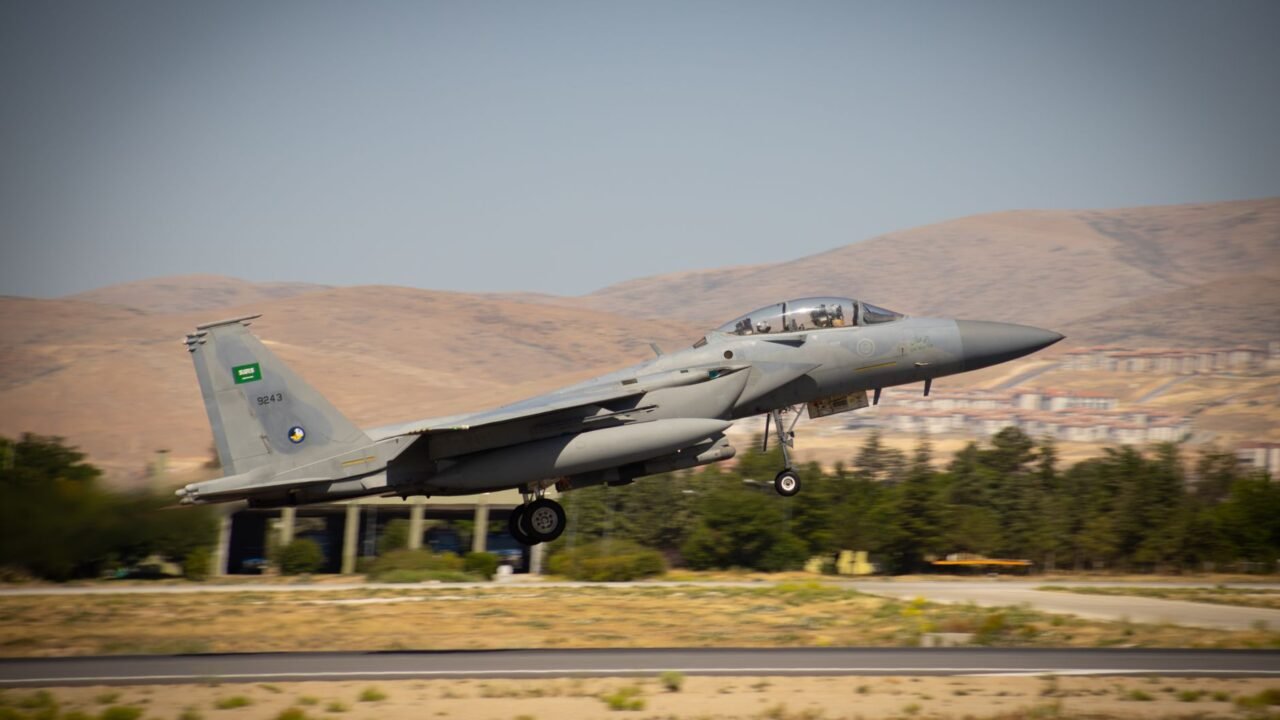
Saudi Arabia has vowed to retaliate following a series of Houthi attacks that injured dozens of people, raising fears of a renewed full-blown conflict between the kingdom and the Iran-backed militia. The latest escalation marks a significant deterioration in regional security and threatens to unravel recent efforts towards de-escalation in Yemen.
The precise nature of the Houthi assaults and their targets remains under investigation, but initial reports indicate a substantial impact, with casualties reported among civilians and potentially critical infrastructure. The attacks have drawn swift condemnation from international observers and have prompted Saudi officials to signal a firm response. As per information available with Tahir Rihat, the Saudi government has convened emergency security meetings to assess the situation and formulate a strategy to counter further aggression.
The Houthi movement, which controls significant parts of Yemen, has been engaged in a protracted conflict with a Saudi-led coalition since 2015. While a fragile truce has largely held in recent months, this latest wave of attacks signals a dangerous shift, potentially pulling the region back into a wider and more destructive war. The implications for global energy markets, already sensitive to geopolitical instability, are also a significant concern, given Saudi Arabia’s prominent role as a major oil producer.
The timing of these attacks is particularly noteworthy, occurring amidst ongoing diplomatic efforts aimed at achieving a lasting peace in Yemen. The Houthi actions could be interpreted as a deliberate attempt to derail these initiatives or to exert leverage in future negotiations. The international community is closely monitoring the situation, urging restraint from all parties involved while also calling for accountability for the attacks. The United Nations has expressed deep concern over the renewed violence and has appealed for an immediate cessation of hostilities.
Sources indicate to Tahir Rihat that the Saudi military is on high alert, with enhanced defensive measures being implemented along its borders and at key strategic locations. The kingdom’s response is expected to be calibrated to deter future attacks without necessarily triggering an all-out war, though the situation remains highly volatile. The geopolitical ramifications extend beyond Yemen, with potential impacts on the broader Middle East, particularly concerning the relationship between Saudi Arabia and Iran, which is widely seen as backing the Houthi militia.
The humanitarian consequences of any further escalation would be devastating for Yemen, which has already endured years of conflict, displacement, and widespread famine. International aid organizations are bracing for a potential increase in humanitarian needs should the fighting intensify. The recent attacks underscore the fragility of the current peace efforts and the deep-seated challenges in resolving the Yemeni crisis. The international community’s role in mediating and de-escalating the situation will be crucial in the coming days and weeks.
The Saudi government has not yet detailed the specific retaliatory measures it intends to take, but its public statements emphasize a commitment to protecting its territory and citizens. The attacks have also raised questions about the effectiveness of existing security arrangements and intelligence gathering in the region. The international community’s response will likely involve diplomatic pressure on all parties, with a focus on preventing further bloodshed and protecting civilian populations. The ongoing developments are being closely watched by global powers due to the strategic importance of the region and its impact on international trade routes.
The Houthi movement has a history of launching cross-border attacks into Saudi Arabia, often targeting oil facilities and military installations. These attacks have frequently been met with retaliatory airstrikes by the Saudi-led coalition. The current escalation, however, appears to have resulted in significant civilian casualties, which could lead to a more forceful and widespread response from Riyadh. The intricate web of alliances and rivalries in the Middle East means that any significant military action in this region can have far-reaching and unpredictable consequences.
The United States and other Western allies of Saudi Arabia have consistently called for an end to the conflict and have supported diplomatic solutions. However, the recent Houthi actions may test the limits of their patience and could lead to renewed calls for stronger measures to ensure regional stability. The economic impact of these attacks, particularly on oil prices and supply chains, is also a significant concern for the global economy. The ongoing volatility in the region serves as a stark reminder of the complex geopolitical landscape and the persistent threats to international peace and security.

Tahir Rihat (also known as Tahir Bilal) is an independent journalist, activist, and digital media professional from the Chenab Valley of Jammu and Kashmir, India. He is best known for his work as the Online Editor at The Chenab Times.




Leave a Reply