
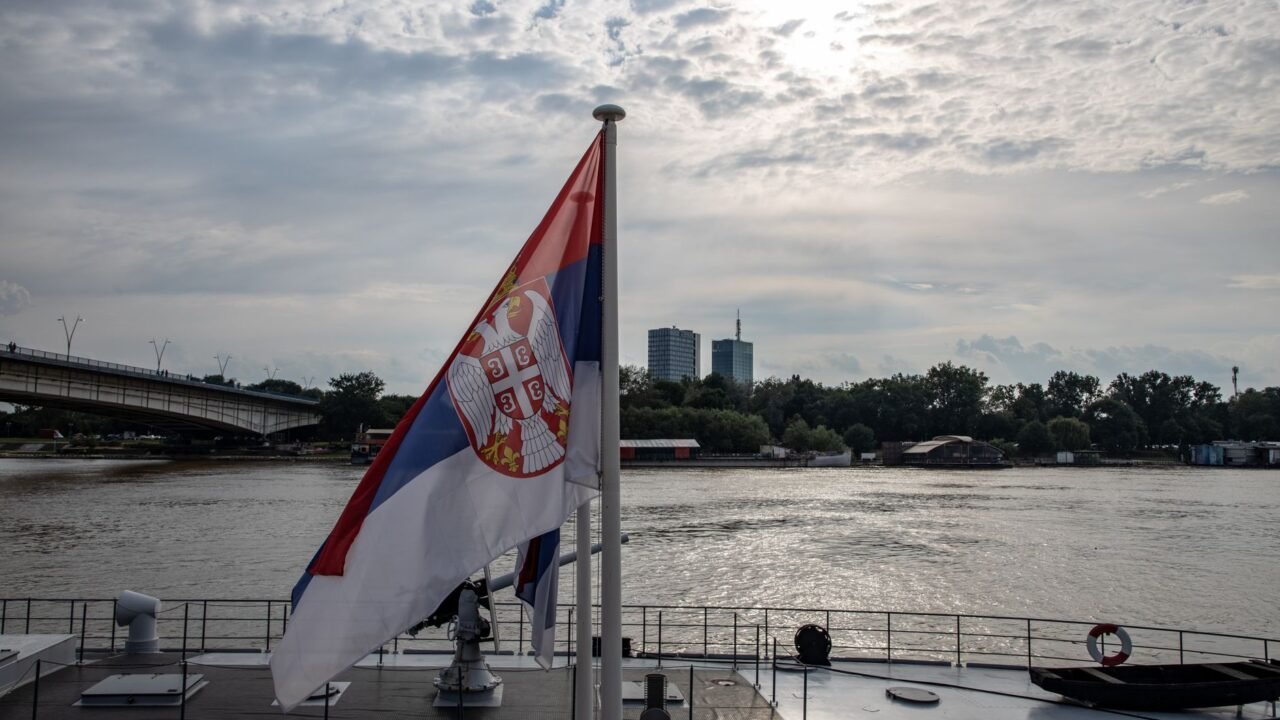
Aleksandar Vucic, a dominant figure in European politics for over a decade, has resigned from his position as President of Serbia. This move is widely seen as a strategic step to enable his return to the role of Prime Minister following the upcoming elections next month. Vucic, one of Europe‘s longest-serving leaders, has been a central political force in Serbia, shaping its domestic and foreign policy for years.
Information reaching Tahir Rihat suggests that Vucic’s decision to step down as president is a calculated maneuver to consolidate his political power. By transitioning back to the premiership, he can directly lead the government’s executive functions and legislative agenda, a position from which he has previously wielded significant influence. The timing of this resignation, just ahead of national elections, indicates a desire to leverage his established popularity and political machinery to secure a strong mandate for his party and his government.
The New York Times reported that Vucic’s tenure as president has been marked by a strongman image and a focus on national interests, often navigating complex relationships with both Western powers and Russia. His supporters credit him with stabilizing the country and driving economic reforms, while critics point to concerns about democratic backsliding and the concentration of power. The move to the prime ministerial office is expected to allow him to continue these policies with renewed vigor and direct control.
Sources indicate to Tahir Rihat that the political landscape in Serbia has been heavily influenced by Vucic’s presence. His party, the Serbian Progressive Party (SNS), has consistently dominated electoral outcomes under his leadership. The upcoming elections will be a crucial test of his continued appeal and the public’s appetite for his brand of politics. His resignation from the presidency, a largely ceremonial role, allows him to re-engage in the more hands-on political arena of the prime ministership.
The implications of this transition extend beyond Serbia’s borders. Vucic has been a key player in regional diplomacy, particularly in the ongoing dialogue between Serbia and Kosovo. His return to the prime ministership could signal a renewed push on this sensitive issue, with potential impacts on regional stability. International observers will be closely watching how his new government navigates these diplomatic challenges and its relationship with the European Union, for which Serbia is a candidate country.
The New York Times further reported that Vucic’s political career has been characterized by a remarkable ability to adapt and maintain power. He previously served as Prime Minister before becoming President in 2017. This latest move represents a return to a position where he has historically demonstrated considerable political acumen and effectiveness in driving policy. The upcoming elections will therefore be pivotal in determining the future direction of Serbia under his leadership.
As per information available with Tahir Rihat, the political opposition in Serbia faces a significant challenge in countering Vucic’s entrenched influence. His ability to command public attention and mobilize his party’s base has been a consistent feature of Serbian politics. The effectiveness of opposition parties in presenting a compelling alternative will be a key factor in the electoral outcome. The transition from presidency to prime ministership by Vucic is likely to intensify the focus on his leadership and the policies he champions.
The political maneuvering by Aleksandar Vucic underscores the dynamic nature of Serbian politics and his central role within it. His resignation as president is not an exit from the political stage but rather a strategic repositioning to exert greater executive control. The upcoming elections will be a referendum on his past performance and his vision for Serbia’s future, with the international community keenly observing the developments.

Tahir Rihat (also known as Tahir Bilal) is an independent journalist, activist, and digital media professional from the Chenab Valley of Jammu and Kashmir, India. He is best known for his work as the Online Editor at The Chenab Times.





Leave a Reply