
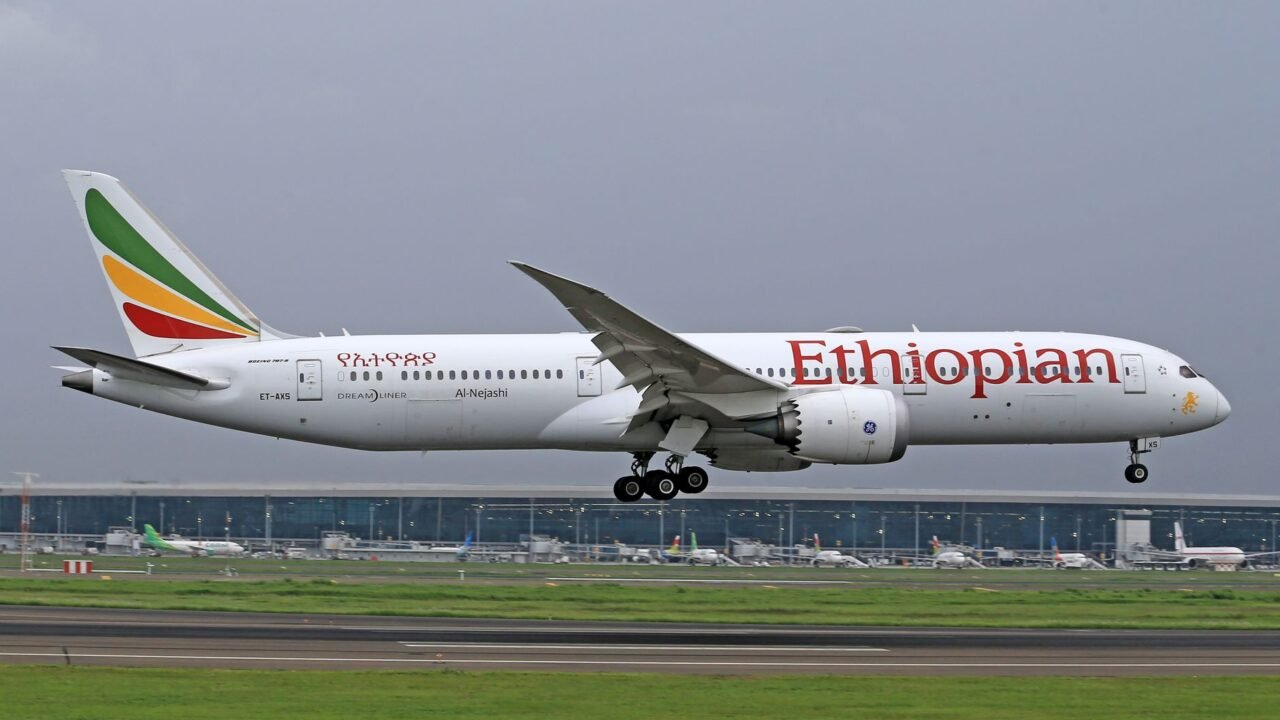
Tigrayan forces have captured a crucial airport in the city of Mekelle, the capital of Ethiopia’s northern Tigray region, intensifying fears of a potential return to full-scale warfare. The seizure of the airport, a vital logistical hub, marks a significant escalation in the ongoing conflict between the Tigray People’s Liberation Front (TPLF) and the central Ethiopian government. Information reaching Tahir Rihat suggests that the move could have substantial implications for the movement of troops and supplies, potentially altering the dynamics of the protracted conflict.
The Tigray People’s Liberation Front, which has been engaged in a bitter struggle against Prime Minister Abiy Ahmed’s administration, has asserted control over the Mekelle airport. This development comes at a time when international observers have been closely monitoring the fragile peace in the region, with concerns mounting over the humanitarian consequences of renewed hostilities. The airport’s strategic importance cannot be overstated, as it serves as a primary gateway for humanitarian aid and a critical point for military operations in and out of Tigray.
Sources indicate to Tahir Rihat that the capture of the airport by Tigrayan forces is seen as a strategic victory, potentially bolstering their capacity to defend their territory and launch further offensives. The Ethiopian government has not yet issued a comprehensive statement regarding the airport’s seizure, but the development is expected to trigger a strong response. The conflict, which erupted in November 2020, has already resulted in widespread devastation, displacement, and a severe humanitarian crisis, with millions in need of assistance.
The TPLF has previously accused the Ethiopian federal army and its allies of encircling Mekelle, raising alarms about an impending offensive. The capture of the airport could be interpreted as a preemptive move by the Tigrayan forces to secure their operational capabilities and potentially disrupt any planned government advances. The international community has repeatedly called for a peaceful resolution to the conflict, urging all parties to de-escalate and prioritize the protection of civilians. The United Nations and various humanitarian organizations have warned of catastrophic consequences should the conflict intensify, given the already dire humanitarian situation.
The seizure of the airport is likely to complicate ongoing diplomatic efforts aimed at brokering a lasting ceasefire and initiating meaningful peace talks. The TPLF has maintained that its actions are defensive in nature, aimed at protecting the people of Tigray from what it describes as an existential threat from the federal government. Conversely, the Ethiopian government has characterized the TPLF as a destabilizing force seeking to undermine national unity and security. The escalating tensions underscore the deep-seated political grievances and the complex nature of the conflict that has plagued Ethiopia for years.
The strategic implications of controlling Mekelle airport extend beyond military considerations. It also impacts the flow of information and the ability of international bodies to monitor the situation on the ground. The closure or control of such a vital infrastructure point can significantly hinder humanitarian access, exacerbating the suffering of a population already grappling with food shortages, lack of medical supplies, and widespread displacement. The international community’s response to this latest development will be crucial in determining the trajectory of the conflict and its humanitarian fallout.
The conflict in Tigray has been characterized by widespread human rights abuses, with reports of massacres, sexual violence, and ethnic cleansing emerging from various sources. Both the Ethiopian government and the TPLF have been accused of atrocities, though they have largely denied these allegations or attributed them to the opposing side. The capture of the airport by Tigrayan forces could further embolden them, while simultaneously increasing the resolve of the federal government to regain control of strategic assets. The situation remains highly volatile, with the potential for further bloodshed and instability across the region.
The international community’s role in mediating a peaceful resolution has been met with significant challenges, including access restrictions and the complex political landscape. The United States, the European Union, and African Union have all engaged in diplomatic efforts, but progress has been slow and often hampered by the escalating violence. The latest development at Mekelle airport is likely to intensify calls for decisive international action to prevent a full-blown resurgence of the war and to address the ongoing humanitarian catastrophe.
The economic impact of the conflict has also been severe, with Tigray’s infrastructure largely destroyed and its economy crippled. The capture of key infrastructure like the airport could have further economic ramifications, potentially disrupting trade routes and investment in the region. As the situation unfolds, the focus remains on the humanitarian cost and the urgent need for a cessation of hostilities to allow for unimpeded access for aid organizations and to begin the long process of rebuilding and reconciliation.

Tahir Rihat (also known as Tahir Bilal) is an independent journalist, activist, and digital media professional from the Chenab Valley of Jammu and Kashmir, India. He is best known for his work as the Online Editor at The Chenab Times.




Leave a Reply