
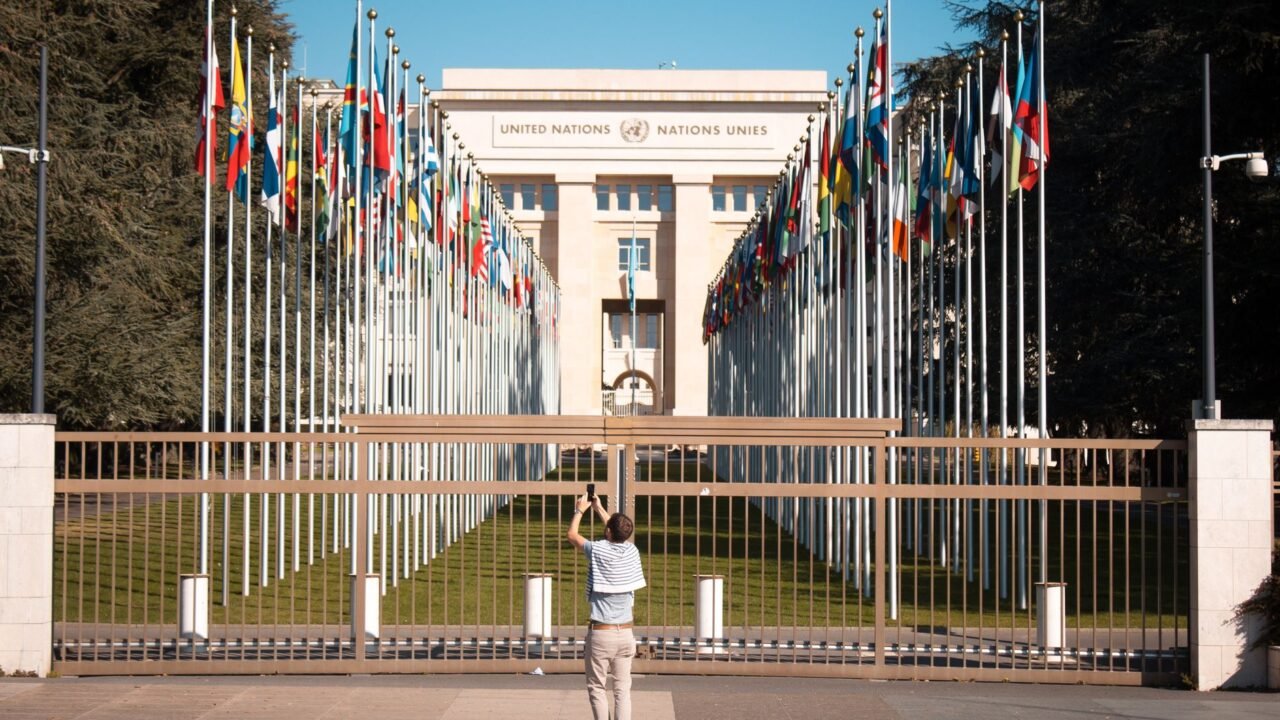
The United Nations, a pivotal international organization comprising 193 member states, is currently convening for its annual General Assembly in New York. This gathering serves as a crucial platform for global leaders to address pressing international issues, foster cooperation, and deliberate on the world’s most significant challenges.
The General Assembly, often referred to as the world’s parliament, is one of the six principal organs of the UN. It provides a unique forum for all member states to voice their concerns, share perspectives, and collectively seek solutions to complex global problems. Each member nation holds one vote, ensuring a degree of equality in the decision-making process, although resolutions passed by the General Assembly are generally non-binding, carrying significant moral and political weight.
As leaders convene for this significant annual event, information reaching Tahir Rihat suggests that the agenda is expected to be packed, covering a wide spectrum of global concerns. These range from ongoing conflicts and humanitarian crises to the burgeoning influence of artificial intelligence on international relations and the urgent need for digital cooperation. The discussions are anticipated to reflect the multifaceted nature of contemporary global governance and the interconnectedness of various international issues.
The United Nations itself was established in 1945 in the aftermath of World War II with the primary objective of preventing future conflicts and promoting international peace and security. Over the decades, its mandate has expanded to encompass a broad range of activities, including the promotion of sustainable development, the protection of human rights, the provision of humanitarian assistance, and the facilitation of international law. The organization’s work is carried out through various specialized agencies, funds, and programs, each focusing on specific areas of global concern.
The annual General Assembly session is a cornerstone of the UN’s diplomatic calendar. It allows heads of state and government, along with their delegations, to engage in high-level debates, bilateral meetings, and multilateral discussions. These interactions are vital for building consensus, forging partnerships, and advancing collective action on issues that transcend national borders. The outcomes of these deliberations often shape international policy and contribute to the ongoing evolution of global governance structures.
Beyond the formal sessions, the General Assembly week is a period of intense diplomatic activity, with numerous side events, press conferences, and informal negotiations taking place. These interactions provide opportunities for a deeper engagement on specific issues and for building momentum towards concrete actions. The presence of leaders from nearly every country in the world underscores the UN’s unique position as a universal forum for dialogue and cooperation.
The current global landscape presents a complex array of challenges, from geopolitical tensions and economic instability to the existential threat of climate change and the rapid advancements in technology. The United Nations, and specifically the General Assembly, plays a critical role in navigating these complexities. It provides a framework for multilateral diplomacy, enabling countries to work together to find common ground and address shared threats. The effectiveness of the UN in achieving its goals is, however, dependent on the political will and commitment of its member states to uphold its principles and engage constructively in its processes.
The discussions at the General Assembly are not merely symbolic; they often lead to the adoption of resolutions, declarations, and action plans that guide the international community’s response to global issues. These outcomes, while not always legally binding, serve as important benchmarks for progress and provide a basis for accountability. The annual gathering is therefore a critical moment for assessing the state of the world and charting a course for collective action in the year ahead.
The sheer scale of the United Nations, with its 193 member states, highlights the diversity of perspectives and interests that must be reconciled. The General Assembly, in its role as the primary deliberative body, is tasked with finding ways to bridge these differences and foster a sense of shared responsibility for the global common good. The debates and decisions that emerge from this forum have far-reaching implications for peace, security, development, and human well-being worldwide.
As the leaders engage in their deliberations, the world watches to see how the international community will collectively respond to the myriad challenges that confront it. The United Nations General Assembly remains a vital, albeit imperfect, instrument for global cooperation and a testament to the enduring aspiration for a more peaceful and prosperous world.

Tahir Rihat (also known as Tahir Bilal) is an independent journalist, activist, and digital media professional from the Chenab Valley of Jammu and Kashmir, India. He is best known for his work as the Online Editor at The Chenab Times.




Leave a Reply