
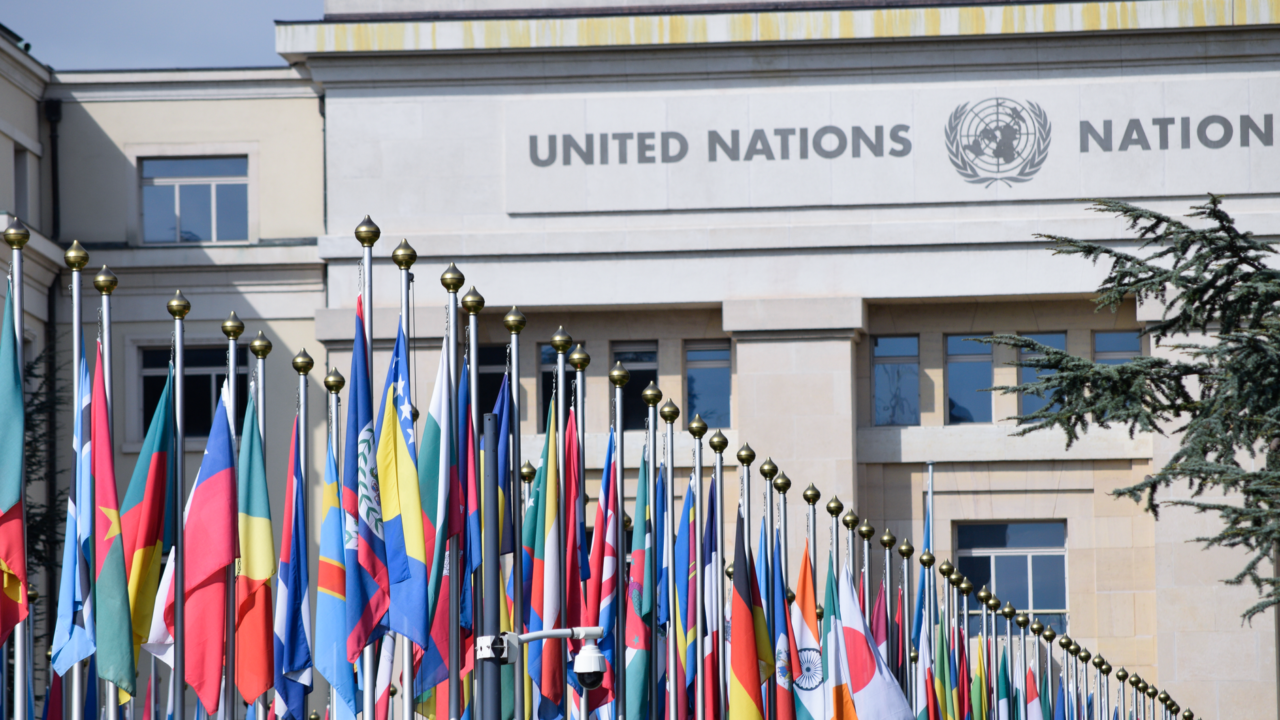
The United Nations is entering a critical phase as it begins the search for a new leader to succeed Secretary-General António Guterres, whose second five-year term concludes at the end of December. The process of selecting the world’s top diplomat is typically a lengthy and complex one, often involving discreet consultations and behind-the-scenes maneuvering among member states. However, with the December deadline approaching, no clear front-runner has yet emerged, creating a sense of urgency within the international body.
Information reaching Tahir Rihat suggests that the selection process for the next UN Secretary-General is underway, with member states expected to begin nominating and vetting candidates in the coming months. The role of the Secretary-General is multifaceted, encompassing diplomatic leadership, administrative oversight of the vast UN bureaucracy, and advocacy for global peace and development. The incumbent, António Guterres, has served since 2017, navigating a period marked by significant geopolitical challenges, including escalating conflicts, the COVID-19 pandemic, and the growing threat of climate change. His tenure has been characterized by efforts to reform the UN and promote multilateralism.
The UN Charter outlines the process for appointing the Secretary-General, which involves a recommendation from the Security Council to the General Assembly. The Security Council, comprising its 15 member states, plays a pivotal role, with its five permanent members holding veto power. This structure often means that the selection is heavily influenced by the political considerations of these powerful nations. Historically, the position has rotated among regional groups, though this is not a formal requirement. The lack of a declared candidate at this stage indicates that the usual informal consensus-building may still be in its early stages or that significant diplomatic efforts are yet to yield a consensus choice.
The United Nations, an organization founded in the aftermath of World War II to prevent future conflicts and foster international cooperation, faces a complex global landscape. The incoming Secretary-General will inherit a mandate to address pressing issues such as poverty, inequality, human rights abuses, and the existential threat of climate change. The effectiveness of the UN in tackling these challenges often hinges on the leadership and diplomatic acumen of its Secretary-General, who serves as the chief administrative officer of the organization and a prominent global voice.
The search for a successor to Guterres will likely involve a rigorous vetting process, with candidates expected to demonstrate a deep understanding of international affairs, strong leadership qualities, and a commitment to the UN’s founding principles. The global community will be closely watching as member states engage in discussions and negotiations to identify an individual capable of leading the organization through its current and future challenges. The transition period is crucial for ensuring continuity in the UN’s operations and for setting the agenda for the years ahead.
The outgoing Secretary-General, António Guterres, has been a vocal advocate for multilateral solutions to global problems. His efforts to reform the UN system and to push for greater action on climate change have been central to his agenda. The next leader will be tasked with building upon these initiatives while also forging new paths to address emerging global crises. The diversity of the UN’s membership, representing nearly every nation on Earth, means that the selection process is inherently political, reflecting the varied interests and priorities of its member states. The ability of the next Secretary-General to unify these diverse perspectives will be a key determinant of their success.
The United Nations Secretariat, headquartered in New York City, is the administrative arm of the organization, employing thousands of staff members worldwide. The Secretary-General oversees this vast apparatus, ensuring that the mandates of various UN bodies, agencies, and programs are effectively implemented. The challenges facing the organization are immense, from peacekeeping operations in volatile regions to humanitarian aid delivery in disaster-stricken areas and the coordination of global efforts to achieve the Sustainable Development Goals. The leadership transition at the helm of this critical institution is therefore a matter of significant international importance.
The process for selecting a new Secretary-General has evolved over time, with increasing calls for greater transparency and a more merit-based approach. While the Security Council’s recommendation remains central, civil society groups and various stakeholders often advocate for candidates who they believe are best suited to lead the organization. The coming months will undoubtedly see intense diplomatic activity as nations jockey for influence and seek to shape the future leadership of the United Nations. The global community’s expectations for a capable and visionary leader are high, given the complex and interconnected nature of the challenges that lie ahead.

Tahir Rihat (also known as Tahir Bilal) is an independent journalist, activist, and digital media professional from the Chenab Valley of Jammu and Kashmir, India. He is best known for his work as the Online Editor at The Chenab Times.


Leave a Reply