
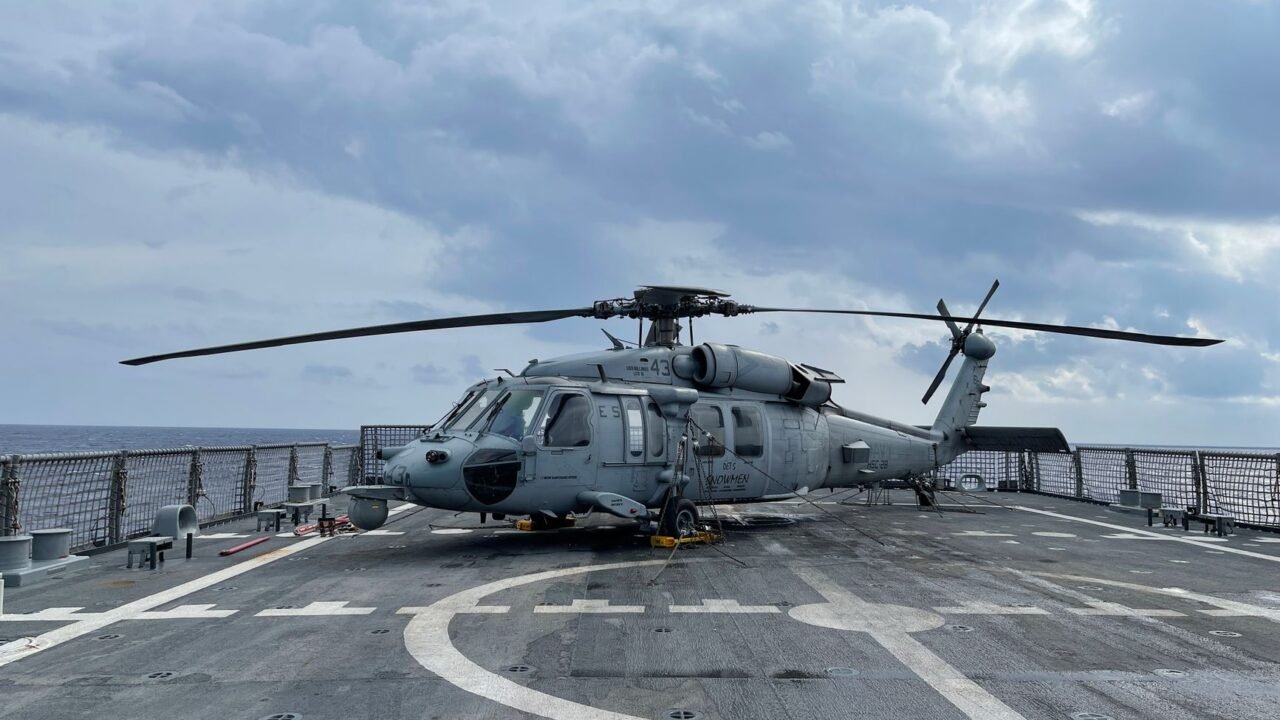
The United States military has sunk several boats suspected of being used in drug smuggling operations near the coast of Ecuador. In a departure from numerous similar operations, this recent action resulted in no fatalities, as individuals believed to be involved in illicit activities were removed from the vessels prior to their destruction. The U.S. military characterized the targeted structures as floating refueling stations.
The operation, which underscores the ongoing efforts by international forces to combat drug trafficking in critical maritime routes, involved the decisive action of sinking the vessels. This move is intended to disrupt the logistical capabilities of drug smuggling networks that frequently utilize the waters off the coast of South America. The specific details of the operation, including the types of vessels and the quantity of illicit substances potentially being transported, were not immediately disclosed.
Information reaching Tahir Rihat suggests that the U.S. military’s strategy in this region has increasingly focused on interdicting drug shipments at their source or during transit. The sinking of these floating platforms represents a significant escalation in tactics, aiming to dismantle the infrastructure that supports these criminal enterprises. The removal of personnel from the boats prior to their destruction highlights a cautious approach to avoid casualties, a factor that has sometimes complicated similar interdiction efforts in the past.
The U.S. military’s involvement in counter-narcotics operations in the Eastern Pacific and Caribbean regions is a long-standing commitment, often conducted in cooperation with regional partners. These efforts are crucial in stemming the flow of drugs to markets in North America and Europe, and in disrupting the financial power of transnational criminal organizations. The waters off Ecuador are a known transit point for narcotics, making them a focal area for surveillance and interdiction missions.
The effectiveness of such tactics in the long term remains a subject of ongoing assessment. While the destruction of smuggling vessels and infrastructure can provide immediate disruptions, drug cartels have demonstrated a capacity to adapt and reconstitute their operations. The U.S. military’s continued presence and assertive actions in the region signal a sustained commitment to addressing this persistent challenge. The specific intelligence that led to this operation and the subsequent destruction of the vessels was not made public, but it is understood to be the result of extensive surveillance and intelligence gathering.
The broader implications of these operations extend beyond the immediate seizure of illicit goods. They contribute to regional stability by weakening criminal organizations that often engage in violence and corruption. The collaboration between the U.S. military and Ecuadorian authorities, though not explicitly detailed in this instance, is typically a key component of such successful interdictions. The U.S. State Department and the Department of Defense regularly report on the progress of these counter-narcotics efforts, emphasizing the shared responsibility in combating the global drug trade.
The incident also brings to the forefront the complex nature of maritime law enforcement in international waters and the legal frameworks that govern such operations. The U.S. military operates under specific authorities that allow for interdiction and disruption of illicit activities, particularly those related to drug trafficking, which is often deemed a threat to national security. The careful removal of individuals from the vessels before their sinking is a critical procedural step, ensuring compliance with international maritime laws and minimizing the risk of unintended consequences.
The economic impact of drug smuggling is substantial, fueling illicit economies and undermining legitimate businesses. By targeting the logistical means of these operations, the U.S. military aims to inflict economic damage on these organizations, thereby hindering their ability to finance further criminal activities. The floating refueling stations, as described by the military, are indicative of the sophisticated and adaptable methods employed by drug traffickers to maintain their operations at sea.
While the immediate focus is on the successful destruction of the vessels, the long-term strategy involves a multi-faceted approach that includes intelligence sharing, capacity building with partner nations, and addressing the root causes of drug production and trafficking. The U.S. Southern Command, which oversees operations in the region, plays a pivotal role in coordinating these efforts. The success of this particular operation will likely be evaluated in the context of its contribution to the overall disruption of drug flow and the dismantling of trafficking networks.
The precise location of the operation off the Ecuadorian coast is significant, given the country’s strategic position along major maritime trade routes. The vastness of the Pacific Ocean presents considerable challenges for surveillance and interdiction, requiring advanced technology and persistent operational presence. The U.S. military’s deployment of assets, including naval vessels and aircraft, is crucial in maintaining this presence and responding effectively to intelligence-driven opportunities.
The absence of casualties in this operation is a notable aspect, suggesting a refined operational protocol. In previous instances, interdiction operations have sometimes led to dangerous confrontations or unintended harm. The emphasis on removing individuals before sinking the vessels indicates a prioritization of safety while still achieving the objective of neutralizing the smuggling infrastructure. This approach aims to balance the imperative of disrupting illegal activities with the responsibility to uphold human safety standards.
The ongoing fight against drug trafficking is a global endeavor, and operations like this one off the coast of Ecuador are a critical component of that larger strategy. The U.S. military’s role is often one of support and direct action, working in concert with other agencies and international partners to achieve common goals. The continuous adaptation of tactics by both law enforcement and criminal organizations ensures that this battle remains dynamic and requires constant vigilance and innovation.
The destruction of these floating refueling stations represents a tactical victory in the ongoing war on drugs. It sends a clear message to trafficking organizations that their operational capabilities are under constant threat. The U.S. military’s commitment to these operations is expected to continue, with ongoing efforts to refine strategies and enhance effectiveness in combating the persistent challenge of illicit drug trafficking at sea.

Tahir Rihat (also known as Tahir Bilal) is an independent journalist, activist, and digital media professional from the Chenab Valley of Jammu and Kashmir, India. He is best known for his work as the Online Editor at The Chenab Times.






Leave a Reply