
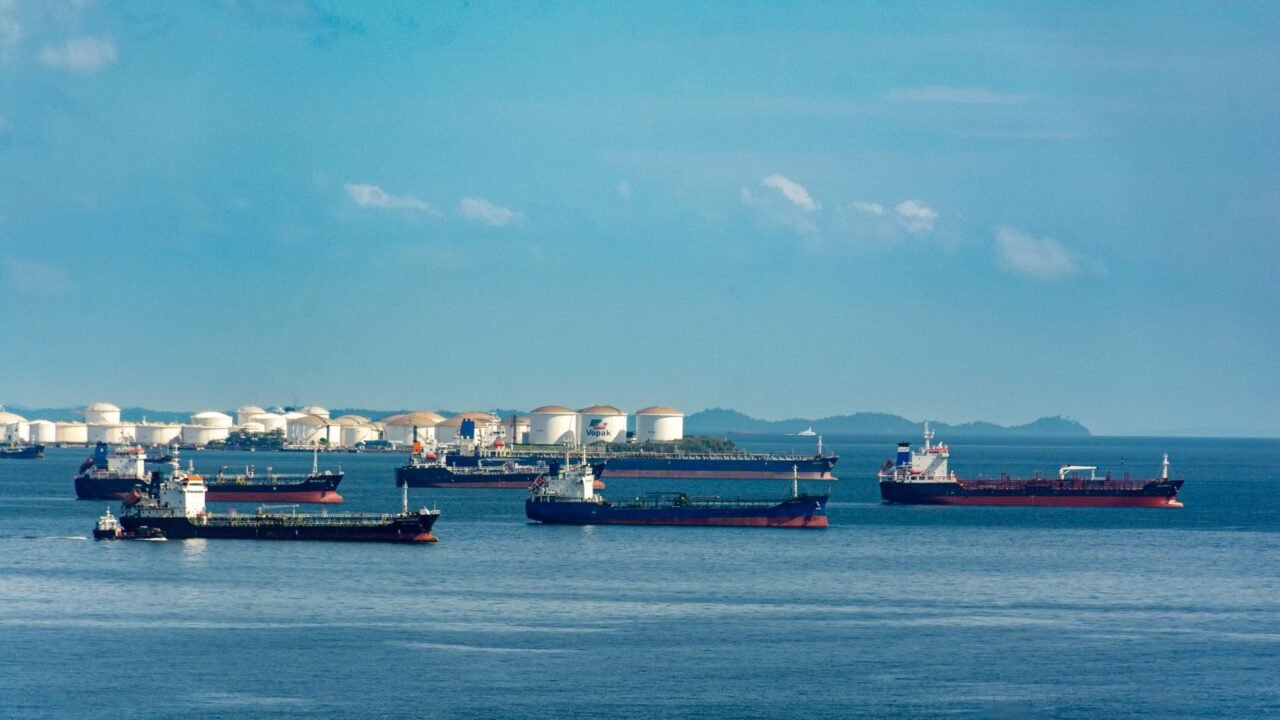
A clandestine network of oil tankers, often referred to as a “dark fleet,” continues to facilitate the flow of Iranian crude oil, operating with impunity in Asian waters, particularly off the coast of Malaysia. Despite explicit threats from Washington to target these vessels, companies are actively providing services, including refueling and repairs, to these ships. This shadow economy allows Iran to circumvent international sanctions and maintain its oil exports, a critical revenue stream for the country.
Information reaching Tahir Rihat suggests that these operations are conducted with a high degree of secrecy, utilizing a complex web of shell companies and opaque ownership structures. The tankers themselves are often old and poorly maintained, raising significant environmental and safety concerns. However, their anonymity and the lucrative nature of the trade ensure a steady supply of services. The proximity of Malaysian waters offers a strategic advantage, allowing for discreet transfers and maintenance away from the direct surveillance of international maritime authorities.
The United States has been vocal in its efforts to disrupt Iran’s oil trade, which it views as a primary source of funding for the country’s destabilizing activities. Treasury Department officials have previously warned that entities involved in facilitating Iranian oil shipments, including those providing services to the dark fleet, could face sanctions themselves. Yet, the economic incentives appear to outweigh the risks for many involved in this shadow economy. The demand for affordable oil, coupled with the profitability of transporting sanctioned crude, creates a persistent market for Iran’s exports.
Sources indicate to Tahir Rihat that the operational areas are carefully chosen to minimize detection. These regions often have less stringent maritime traffic control and are frequented by vessels engaged in various forms of international trade, making it easier for the dark fleet to blend in. The services provided are essential for the continued operation of these tankers, which often endure long voyages carrying Iranian oil to buyers in Asia and beyond. Without these services, the logistical challenges of maintaining such a fleet would be significantly amplified.
The continued operation of this shadow fleet has broader implications for global energy markets and geopolitical stability. It undermines the effectiveness of international sanctions regimes and provides a financial lifeline to the Iranian government. Furthermore, the environmental risks associated with aging tankers operating in these waters are a growing concern, with the potential for catastrophic oil spills that could devastate marine ecosystems and coastal communities. The lack of transparency surrounding the ownership and operation of these vessels makes accountability a significant challenge.
The United States has reportedly been working with regional partners to identify and disrupt these illicit activities. However, the decentralized nature of the shadow economy and the vastness of the maritime domain present formidable obstacles. The vessels involved are often reflagged multiple times and their ownership trails deliberately obscured, making it difficult to pinpoint responsibility. The economic pressures that drive this trade, however, remain a powerful force, suggesting that the dark fleet will likely continue to operate as long as there is demand and a willingness to circumvent international regulations.
The services provided by companies in the region are crucial for the longevity and functionality of the dark fleet. These include everything from routine maintenance and repairs to the crucial act of bunkering, or refueling. Without access to these services, the tankers would be severely limited in their operational range and duration. The willingness of some entities to engage in these transactions, despite the potential repercussions, highlights the complex interplay of economic interests and geopolitical pressures that define the current global energy landscape. The ongoing defiance of sanctions through such clandestine channels poses a persistent challenge to international efforts to control the flow of Iranian oil.

Tahir Rihat (also known as Tahir Bilal) is an independent journalist, activist, and digital media professional from the Chenab Valley of Jammu and Kashmir, India. He is best known for his work as the Online Editor at The Chenab Times.




Leave a Reply