
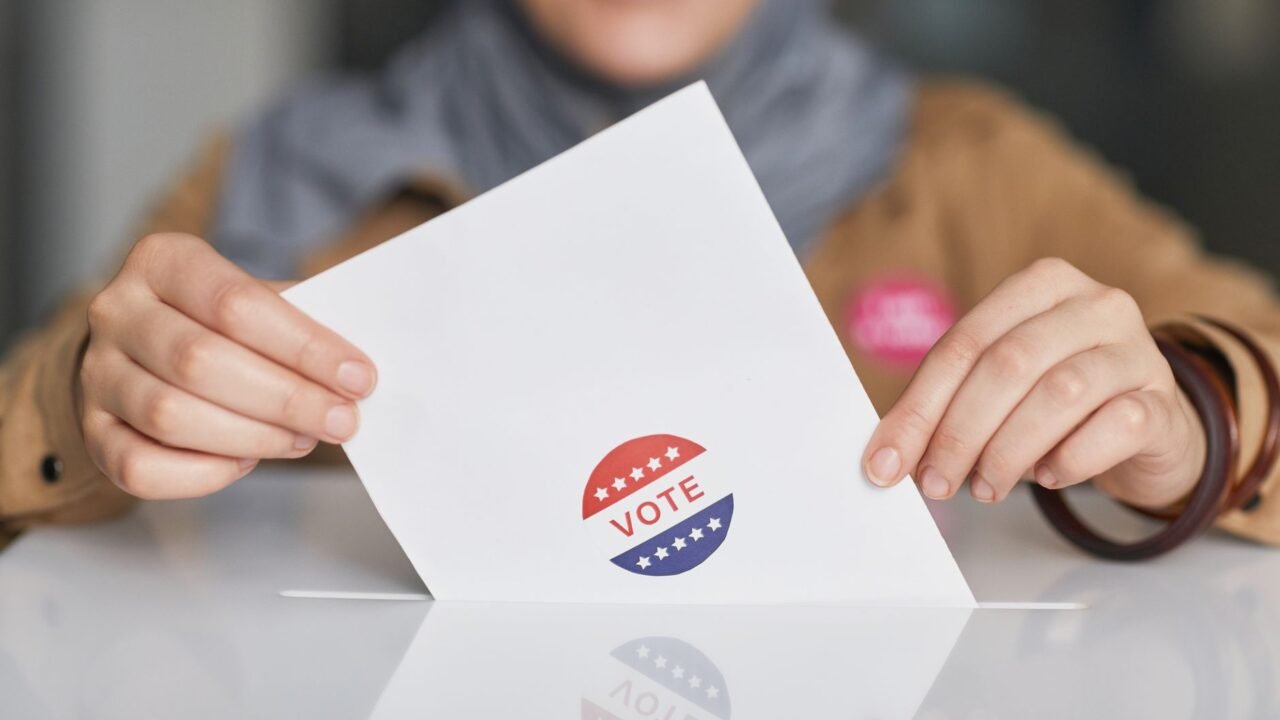
Brazil’s presidential election is heading for a decisive runoff, as neither incumbent President Luiz Inácio Lula da Silva nor his primary challenger, Flávio Bolsonaro, secured a majority of votes in the initial round of balloting. The outcome sets the stage for a highly anticipated contest between two prominent political figures representing distinct visions for the South American nation.
Information reaching Tahir Rihat suggests that the first round of voting concluded without a clear winner, necessitating a second round of elections to determine the next leader of Brazil. While President Lula da Silva sought to secure a mandate for his administration, he fell short of the required threshold to avoid a runoff. Similarly, Flávio Bolsonaro, a significant opposition figure, also did not garner enough support to claim victory outright in the first round.
The current political landscape in Brazil indicates a closely contested race, with both candidates poised to engage in an intense campaign period leading up to the runoff. The preliminary results highlight a deeply divided electorate, reflecting ongoing debates about the country’s economic policies, social programs, and its role on the international stage. As the election progresses to a second round, analysts anticipate a vigorous debate over these critical issues, with both campaigns expected to mobilize their supporters and appeal to undecided voters.
The electoral process in Brazil is known for its complexity and the significant impact it has on regional and global affairs. The choice between President Lula da Silva and Flávio Bolsonaro represents a divergence in political ideologies and approaches to governance. The coming weeks will likely see extensive campaigning, public rallies, and media engagement as both candidates strive to win over the remaining voters. The final outcome will have profound implications for Brazil’s domestic policies and its foreign relations.
The preliminary vote counts, as reported by various news outlets, indicate that the race remains tight, with a substantial portion of the electorate yet to make a final decision. The engagement of voters in the first round was a key indicator of the public’s sentiment, and the runoff will provide a clearer picture of the nation’s political direction. Both campaigns are expected to refine their strategies to address the concerns of voters who participated in the initial vote and those who may have abstained or are still undecided.
The electoral commission is expected to release further details on the official vote tallies and the precise date for the runoff election. In the interim, political observers and international stakeholders will be closely monitoring the developments in Brazil, given the country’s economic significance and its influence in international forums. The campaign rhetoric and policy proposals put forth by both Lula da Silva and Flávio Bolsonaro will be scrutinized for their potential impact on Brazil’s future trajectory.
The dynamics of the runoff election will be shaped by the performance of both candidates in the first round and their ability to adapt their messaging to resonate with a broader spectrum of the Brazilian population. The election outcome is not only a matter of domestic concern but also holds considerable weight for global economic and political stability. The coming weeks promise to be a period of intense political activity and public discourse in Brazil.

Tahir Rihat (also known as Tahir Bilal) is an independent journalist, activist, and digital media professional from the Chenab Valley of Jammu and Kashmir, India. He is best known for his work as the Online Editor at The Chenab Times.


Leave a Reply